Советская площадь


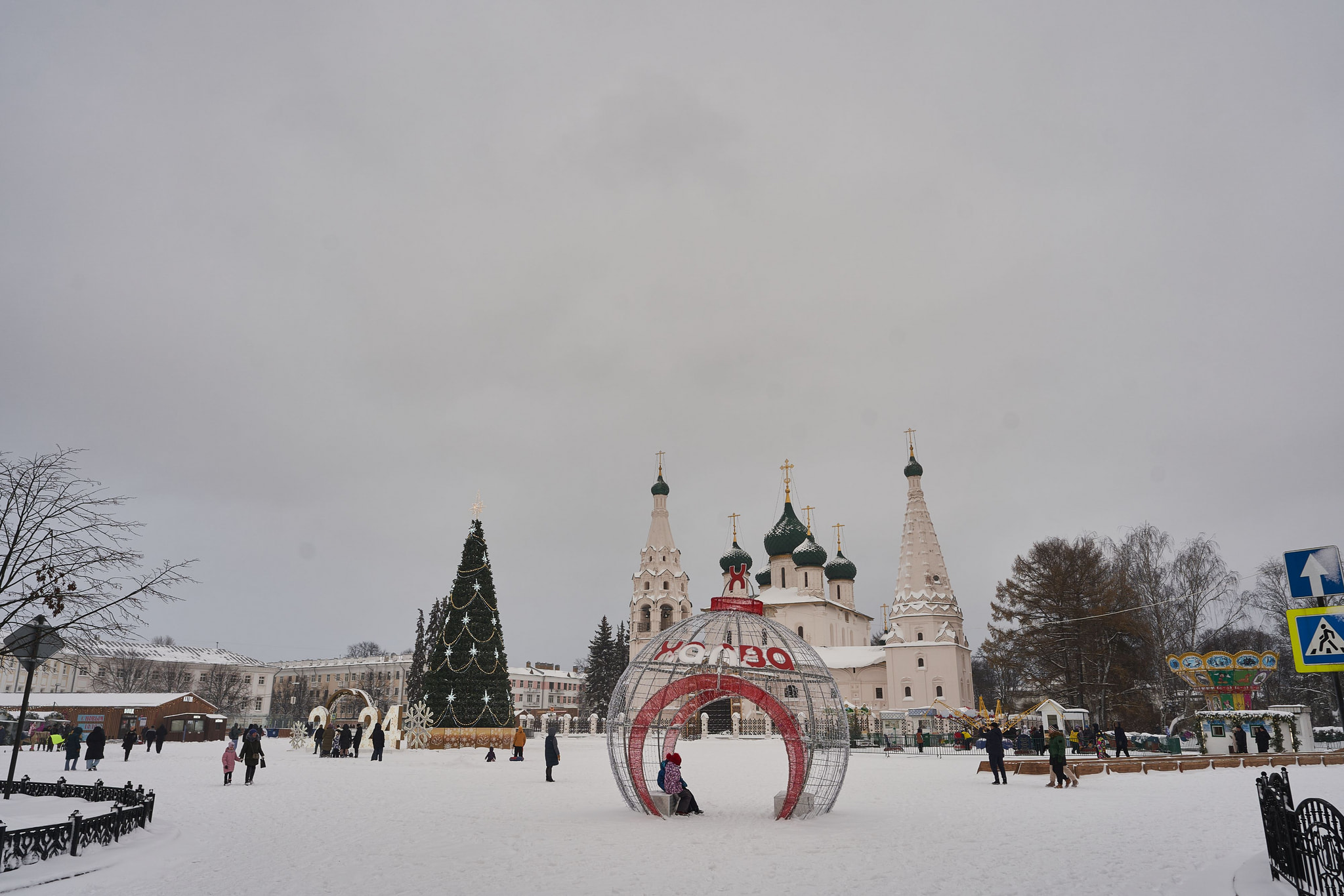
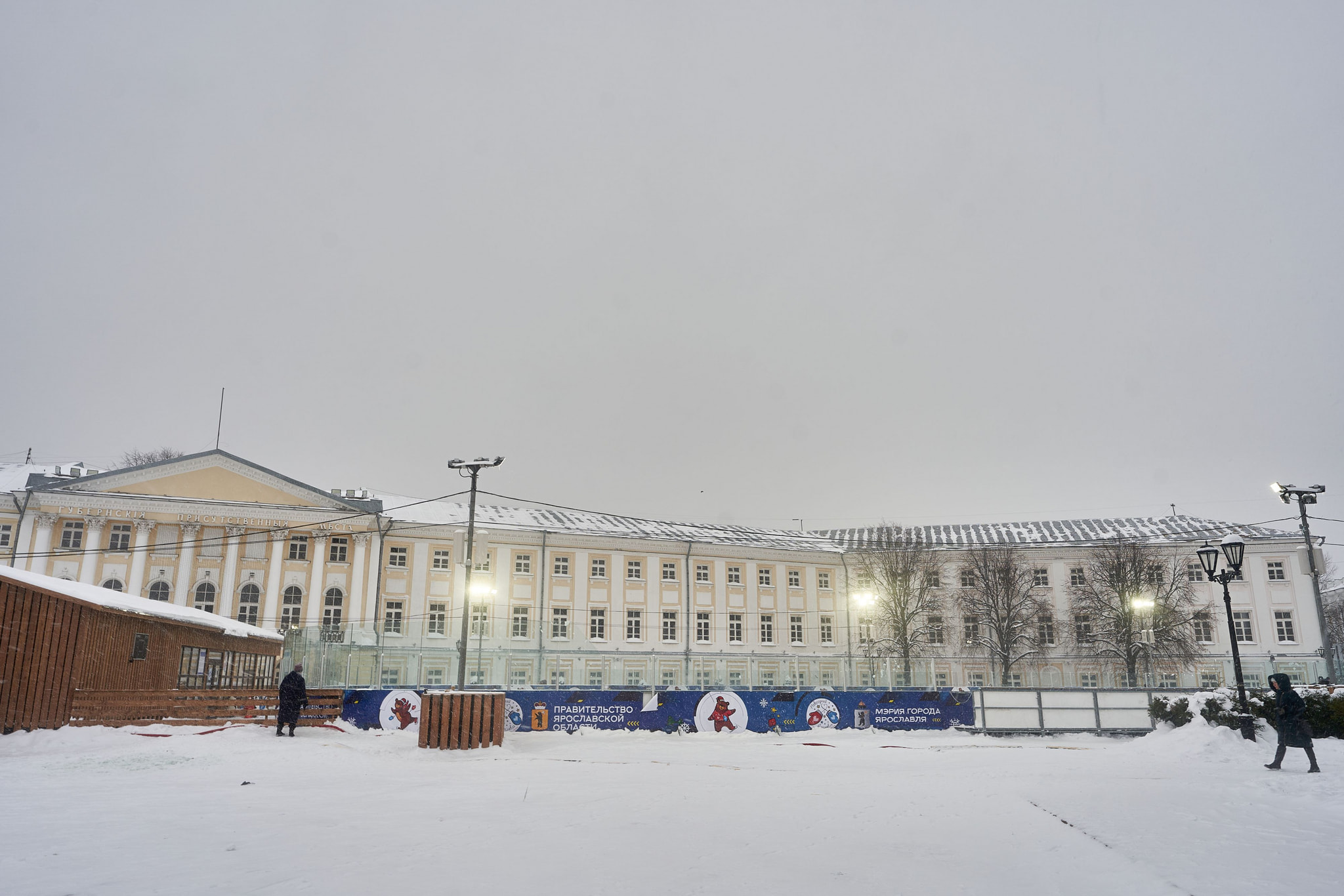
Изначально площадь именовалась Ильинской в честь храма Ильи Пророка, вокруг которого она расположилась. После прихода к власти коммунистов на площади в здании бывших присутственных мест разместили исполнительный комитет Совета рабочих и крестьянских депутатов, и она получила свое нынешнее название – Советская.
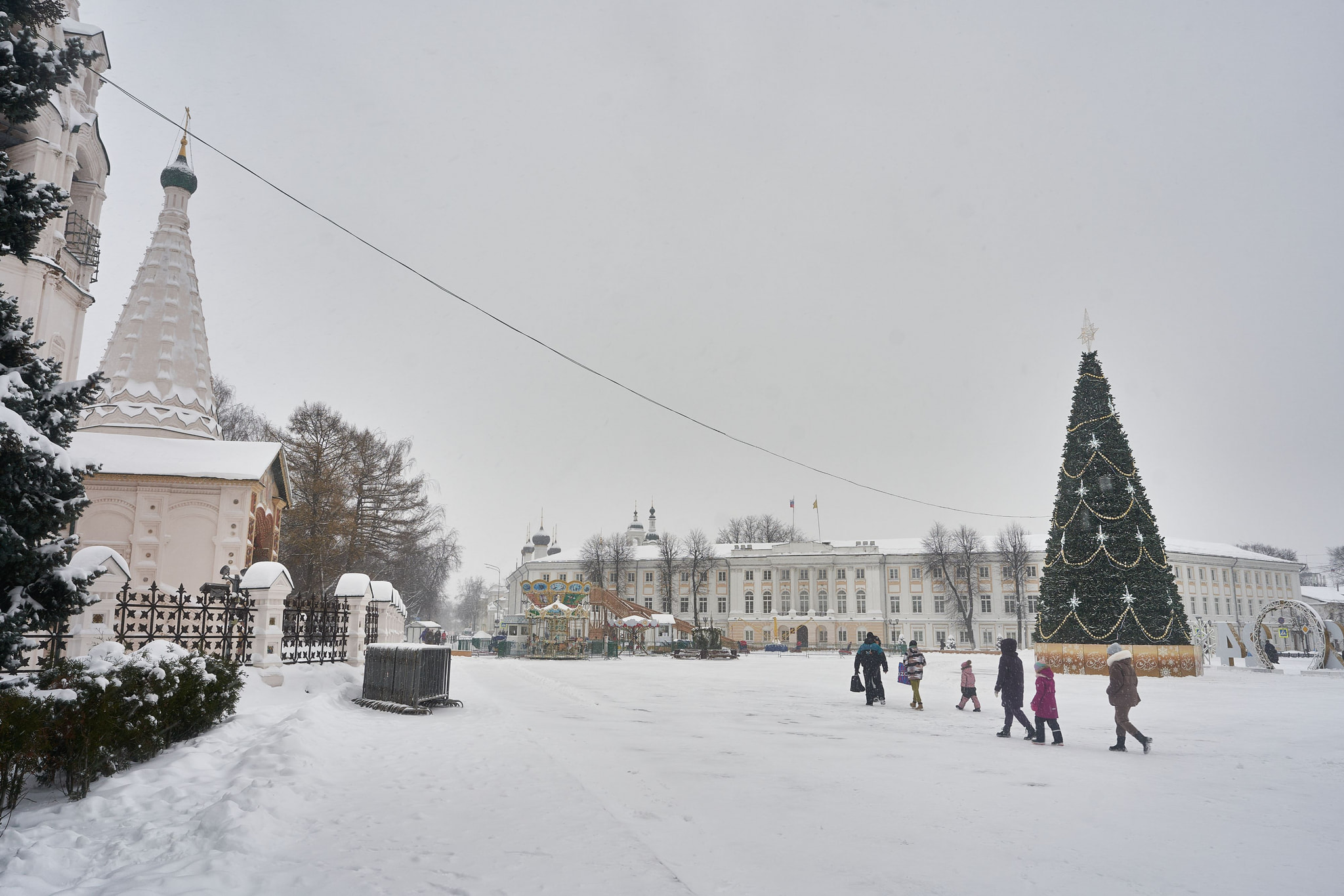
Главным украшение площади является церковь Ильи Пророка, которая считается выдающимся творением представителей ярославской школы архитектуры и живописи XVII века. Множественные фрески храма по мотивам библейских и евангельских сюжетов были выполнены знаменитыми костромскими художниками Гурием Никитиным и Силой Савиным.
В конце XVIII века Ярославль получает план регулярной застройки, центром которой становится тогда еще Ильинская площадь. Здесь строят правительственные здания: два трехэтажных корпуса Присутсвенных мест, в северном корпусе которых сейчас размещается областная Дума, и дворец ярославского наместника, который при Павле I вследствие упразднения института наместничества был попросту разобран на кирпичи.
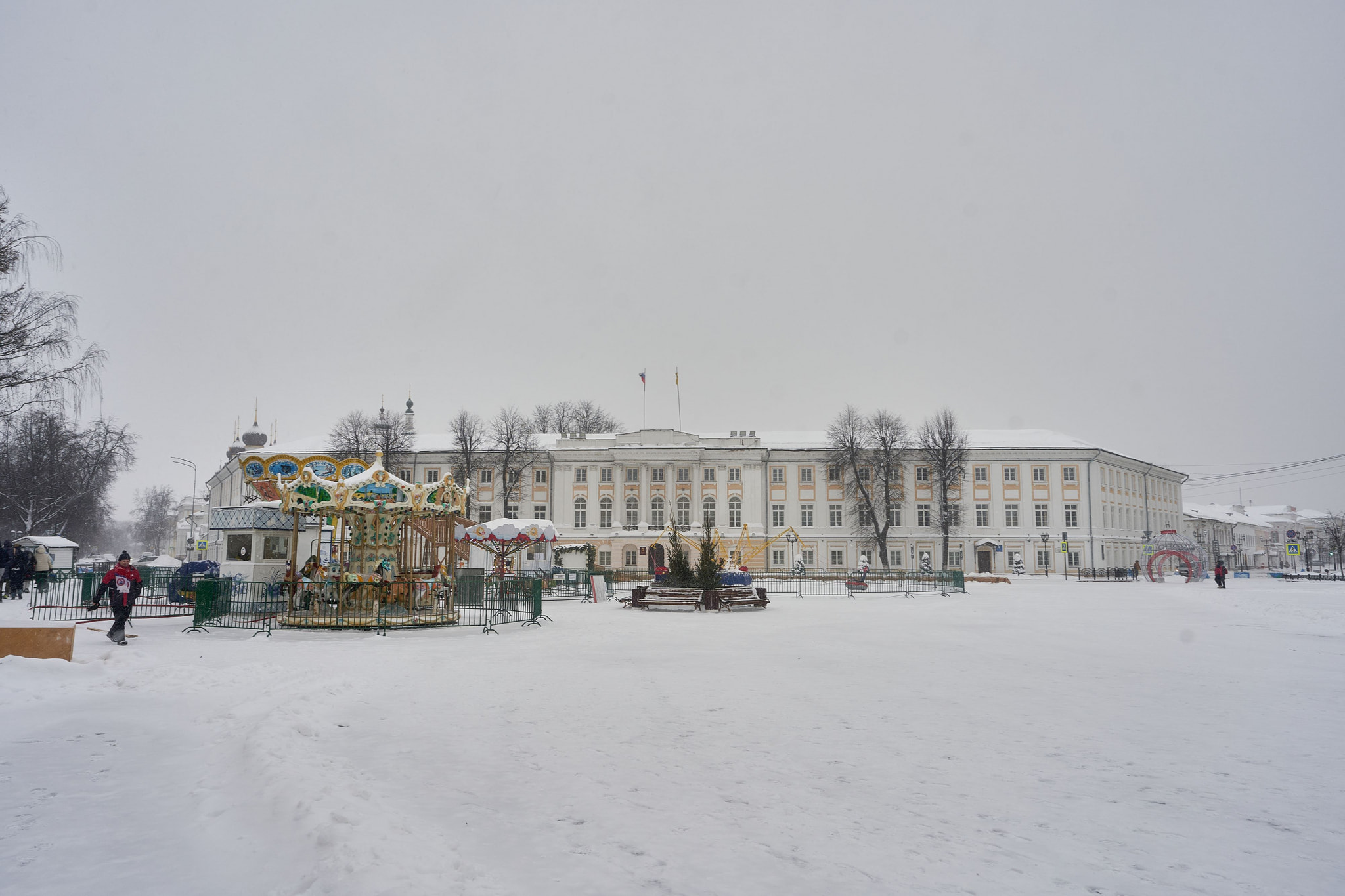
Какое-то время на месте бывшего дворца располагалось полицейское управление и Мытнинский рынок. В 70-х годах ХХ века обком КПСС решил построить здесь новое здание для нужд комитета. Поначалу власти собирались даже воссоздать прежний облик дворца. Однако, от этой идеи отказались, и в 1981 году на площади появилось трапецевидное здание в стиле советского конструктивизма. В настоящее время здесь размещается администрация Ярославской области.
Небольшой храм-часовня из красного кирпича в псевдорусском стиле, расположенный напротив здания обкома, имеет довольно внушительное для своего размера название: часовня Александра Невского, Марии Магдалины, Николая Чудотворца, великомученика Георгия, Михаила Архистратига, преподобной Ксении Петербургской и княгини Ольги. Горожане зовут ее попросту – Александро-Невской. Она была построена в память о спасении императорской семьи во время катастрофы на железной дороге у станции Борки.
От Советской площади лучами расходятся улицы и переулки Ярославля: на юго-восток лежит Стрелка, на юго-запад – Богоявленская площадь со Спасо-Преображенский монастырем, на север – Красная площадь, а на восток – Волжская набережная.