Aquarium Museum
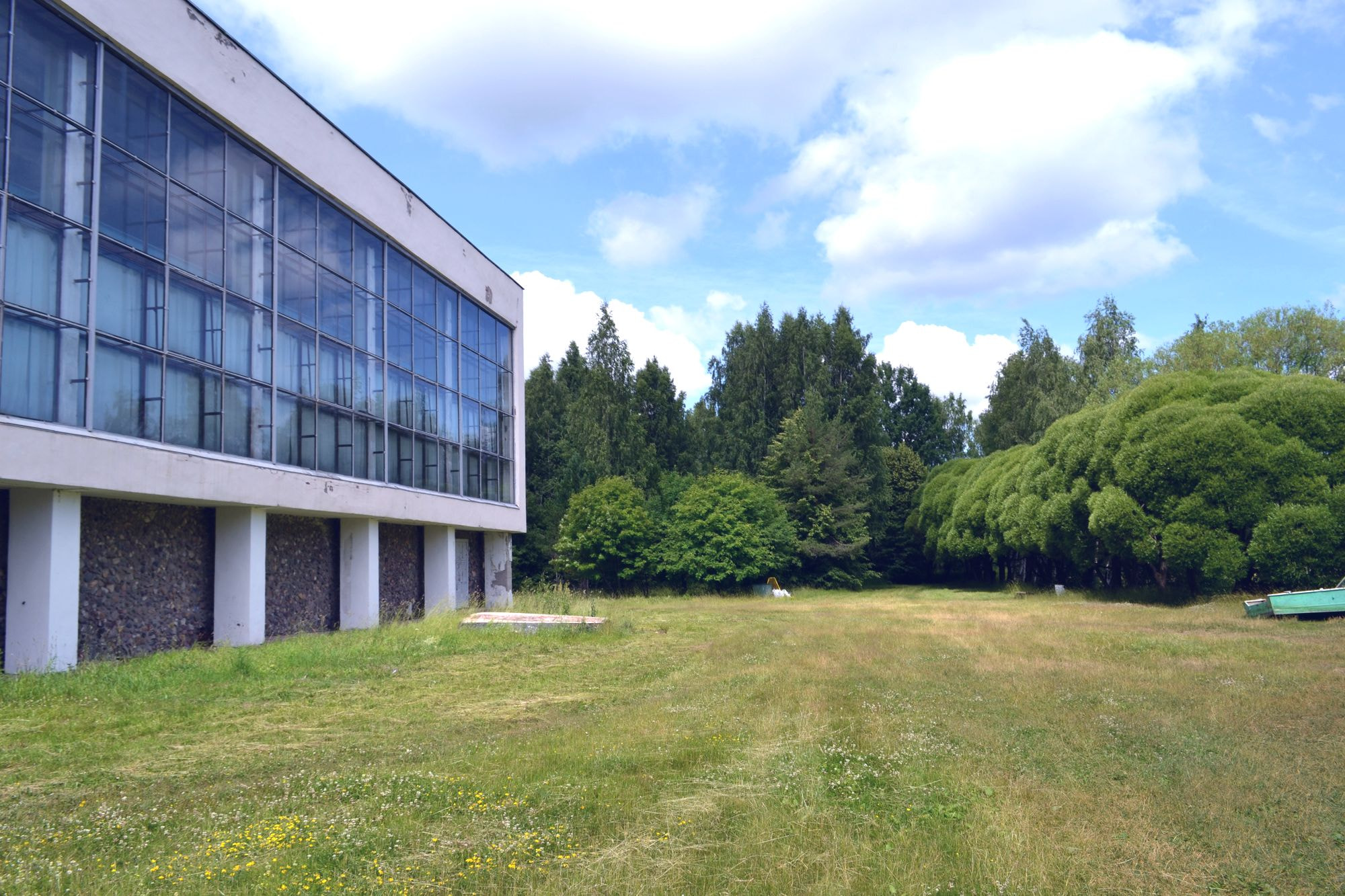

The museum was established in 1972 on the basis of the Laboratory of Ichthyology of the IBVV RAS. The initiator was Arthur Georgievich Poddubny, Doctor of Biological Sciences.
The museum has a collection of fish of various species. Some of the themes of the exhibition:
Fish of the Volga: pike, river eel, common dace, ide, common asp, minnow, Asian-European crucian carp, carp, common carp, tench, spike, loach, European catfish, burbot, perch, walleye, ruff, stonefish.
Sturgeons: Russian sturgeon, sterlet, Siberian sturgeon, bester – a hybrid of sterlet and beluga.
Exotic fish: astronotus, zebra botia, clown botia, bicolored bunocephalus, three-striped melanotenia, Senegalese polypter, mollienesia, ocellated notopter, common piranha and others.
Features of the exposition:
A large swimming pool (about 30 cubic meters) became the basis of the exhibition. m), which was inhabited at various times by pike, catfish, asp and sturgeon.
The aquariums with a volume of up to 2 cubic meters contained carp, crucian carp, bream, tench, eels, walleye and representatives of sturgeon.
The museum is visited by the staff of the Fish Ecology laboratory, who study the fauna, zoogeography of freshwater fish, patterns of their spatial distribution and migrations in the Upper Volga basin.