Yaroslavia is a country of cities

Yaroslavl is a country of cities, where each locality keeps its own unique history. Transfer through the epochs: cities with a thousand-year history, the largest icon in Russia, ancient crafts and Volga landscapes that inspired great painters. You will see the fabulous ancient architecture, stroll through the filming locations of Soviet classics, taste the delicious "royal herring", learn how to make tiles. You will learn many amazing and sometimes even unrealistic facts about the beautiful and mysterious lake Pleshcheyevo.
Day 1: Yaroslavl
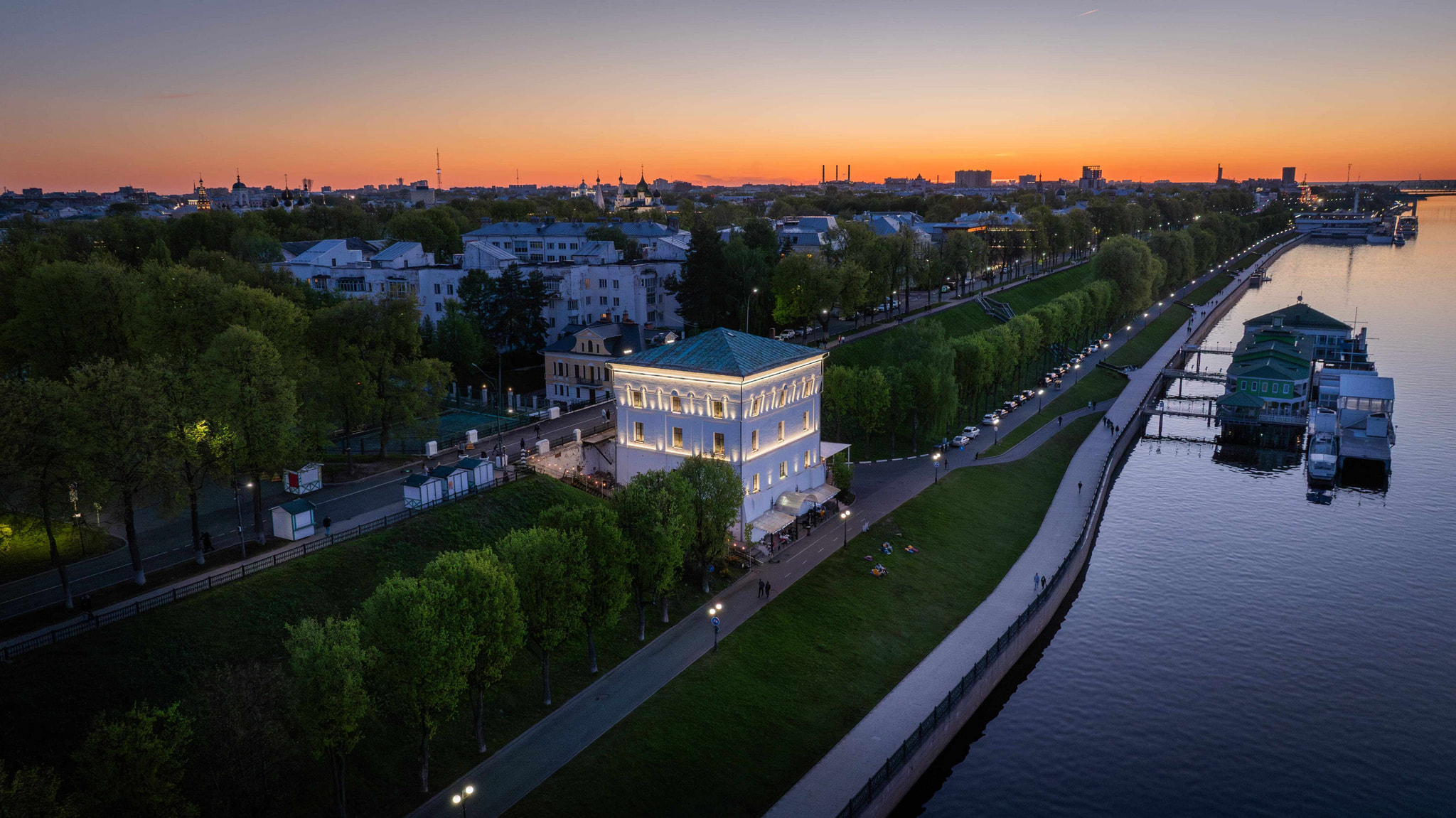
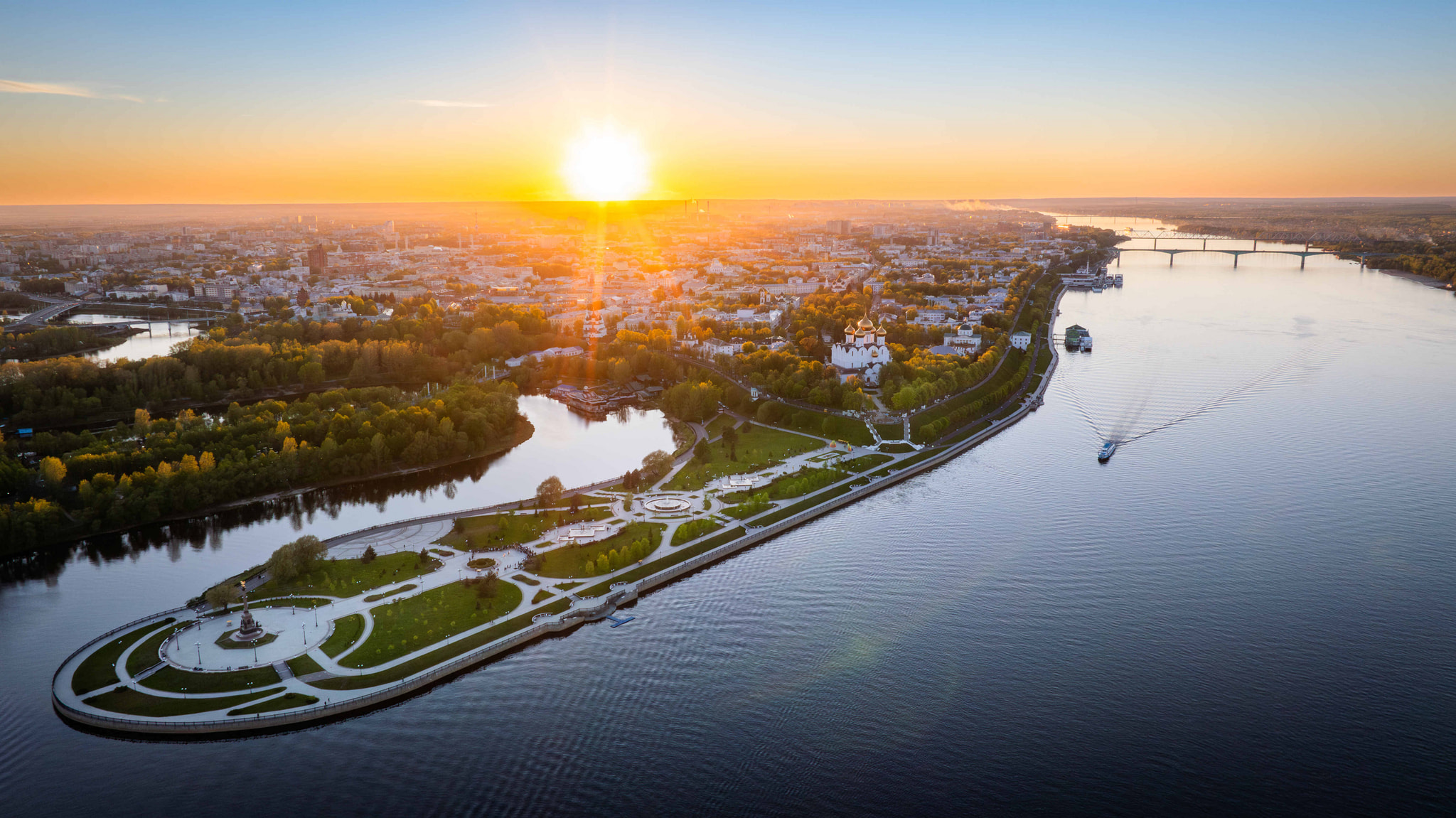
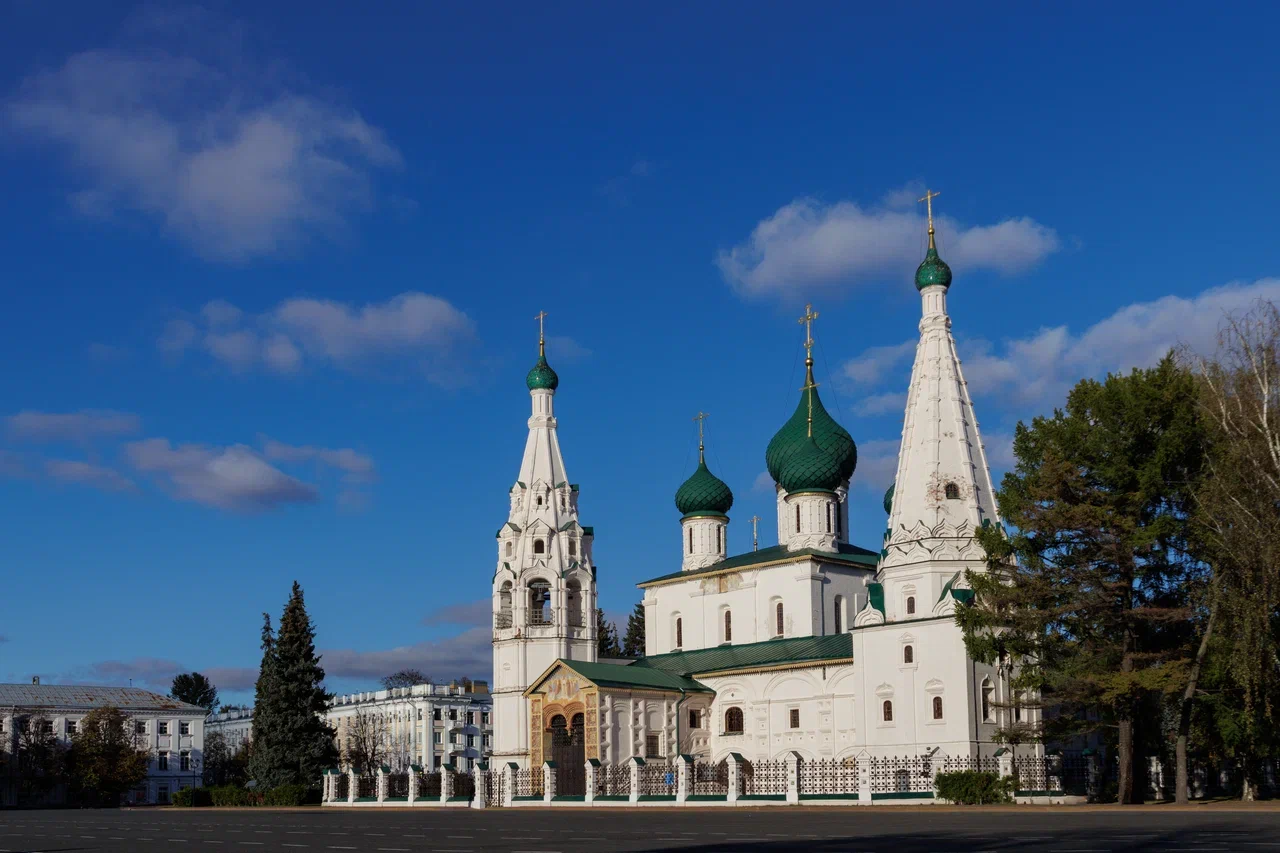
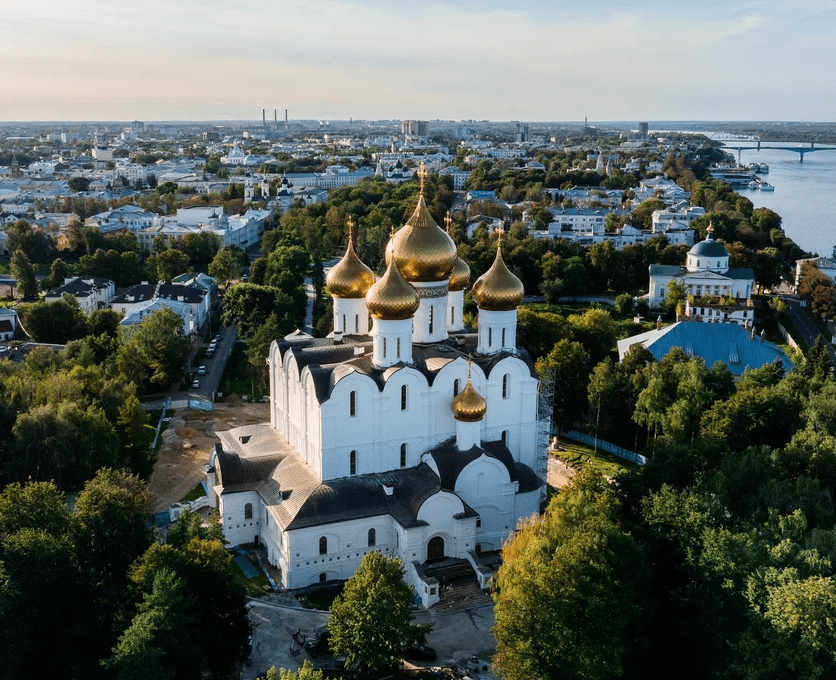
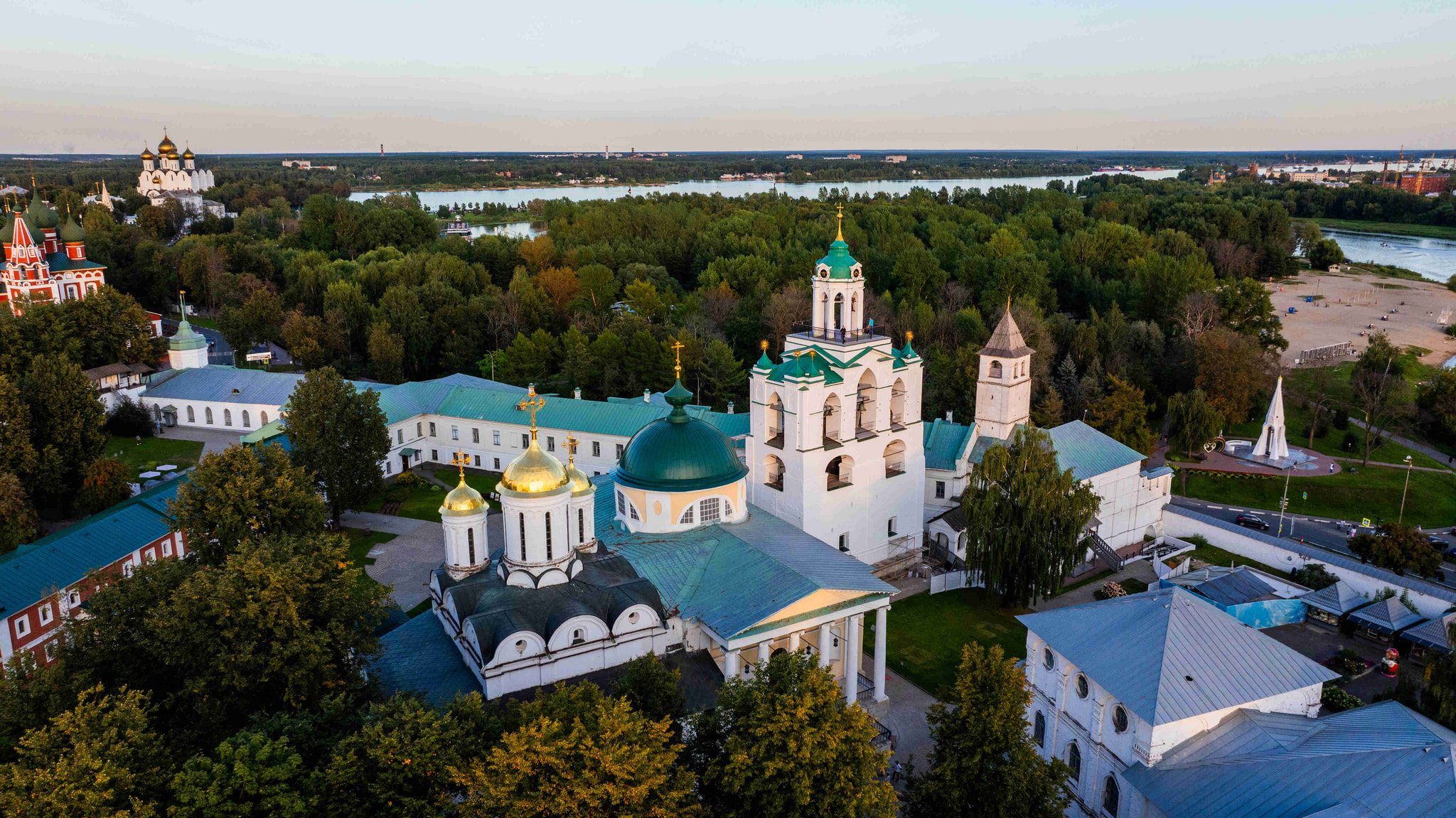
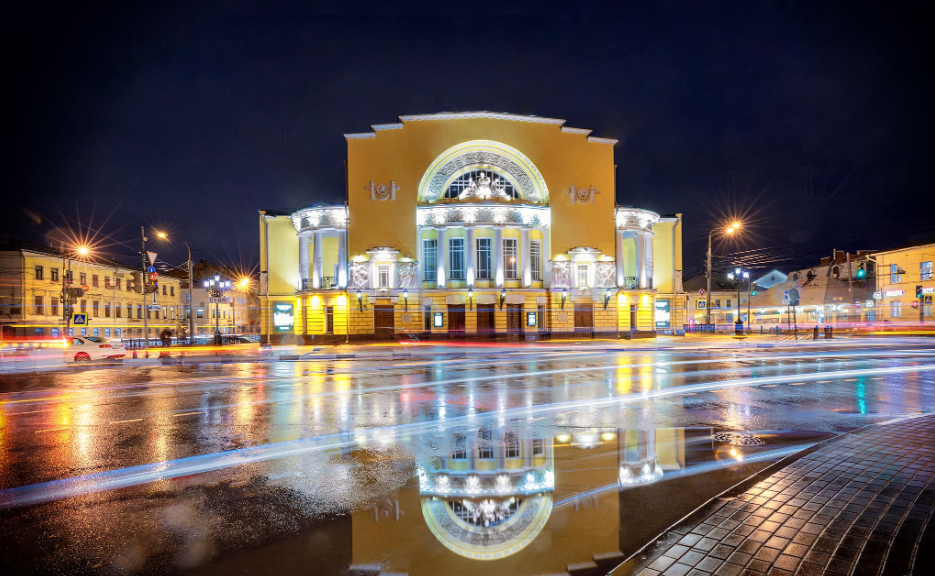
A guided walk along the Volga Embankment will introduce you to the historical sights of Yaroslavl. You will see temples of the 17th century with unique murals, icons and carved elements, the first Russian theater in Russia. St. Elijah's Church became the central point of urban architecture according to the regular plan of the end of the XVIII century.The Spaso-Preobrazhensky Monastery preserves the ancient monuments of the city, including the oldest building in Yaroslavl, the Spaso–Preobrazhensky Cathedral. The People's Militia of Minin and Pozharsky was located here in 1612, and Word of Igor's regiment was discovered. The temple complex in Korovnitskaya Sloboda demonstrates the unique Yaroslavl style of decoration.
Day 2: Tutaev – Rybinsk
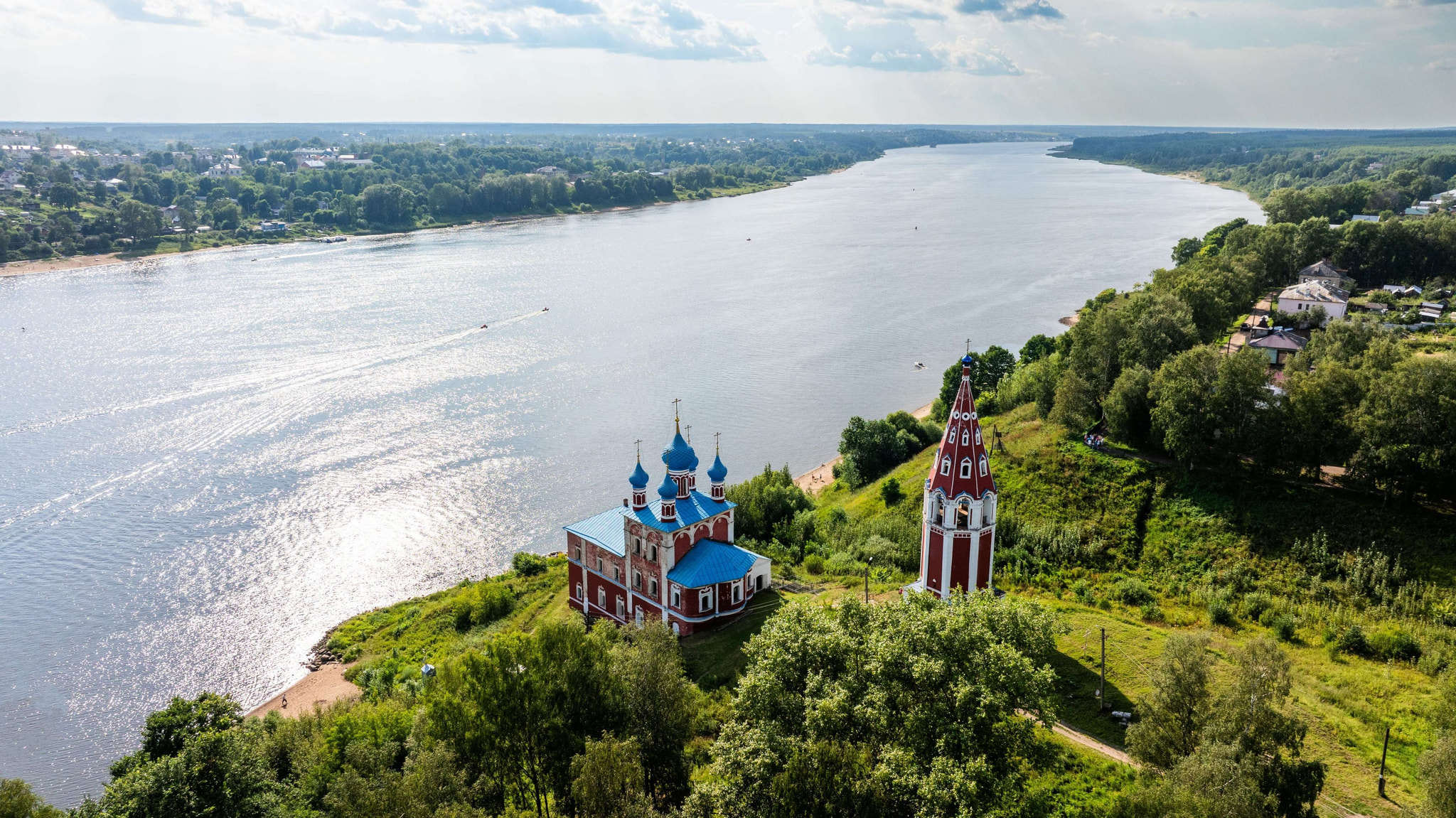
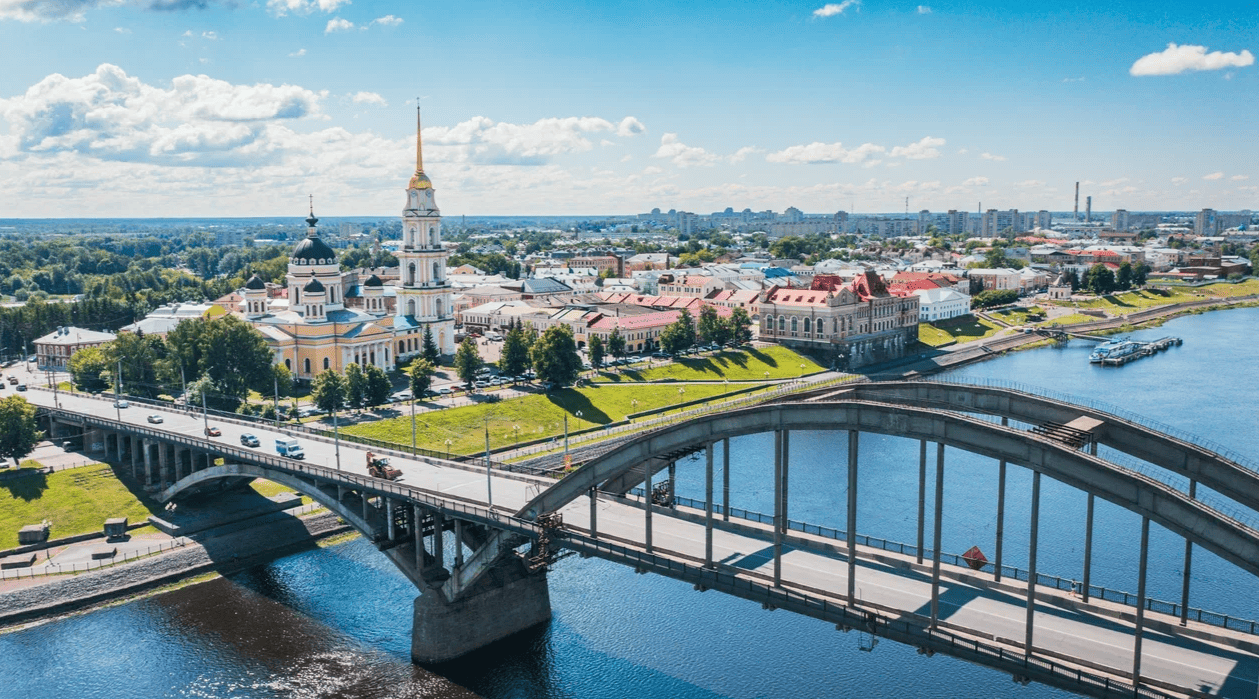
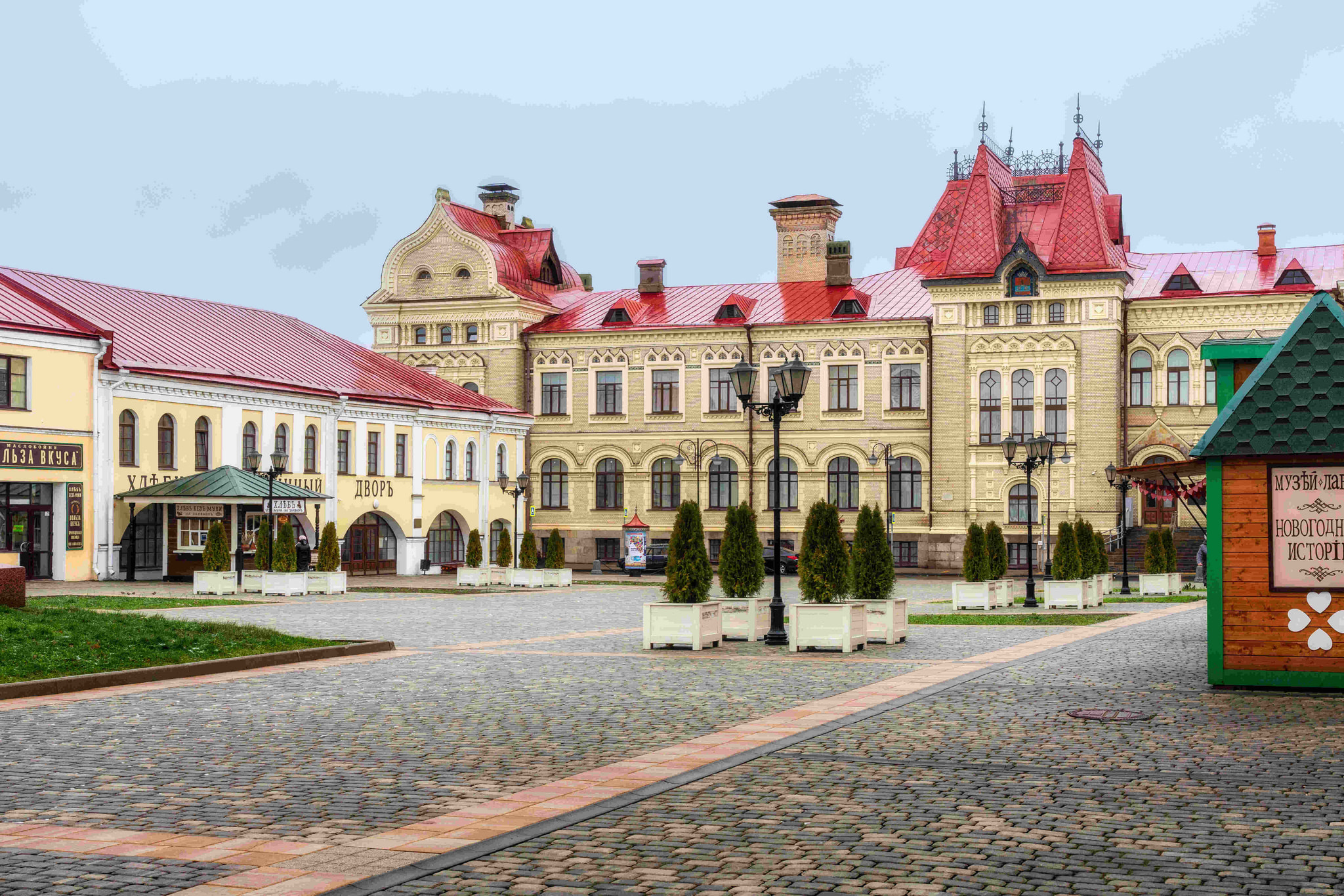
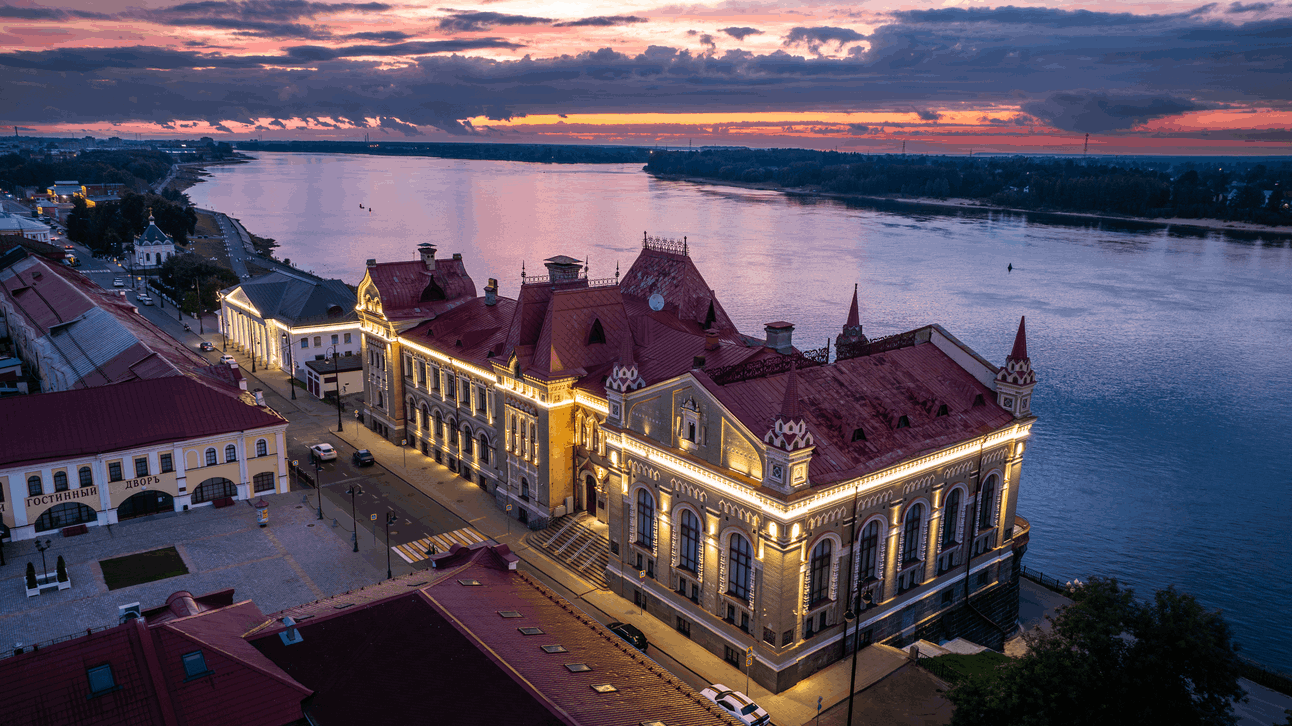
Tutaev, sprawled on the banks of the Volga River, is famous for its unique Kustodievsky Boulevard, a picturesque embankment on the Romanovskaya side of the city, where the artist found inspiration for his paintings.The Pokrovsky Temple stands out in the architectural ensemble of the left bank. This amazing structure combines the austere simplicity of the main building and the majestic beauty of the tent bell tower with traditional Russian marble tiles. The main shrine of the temple is the miraculous icon of the Most Holy Theotokos, the Addition of Mind. After visiting Tutaev, our way lies to Rybinsk with a unique collection of living ancient signs of the 19th century. About 400 authentic signs have been revived in the historical center, decorating both local shops and modern shops.Special attention is paid to the Rybinsk Museum of Admiral Ushakov. The day will end with a panoramic platform at the Resurrection Cathedral in Tutaev, from where you can climb the bell tower and enjoy the view of the Volga expanses.
Day 3: Rostov Veliky – Pereslavl-Zalessky
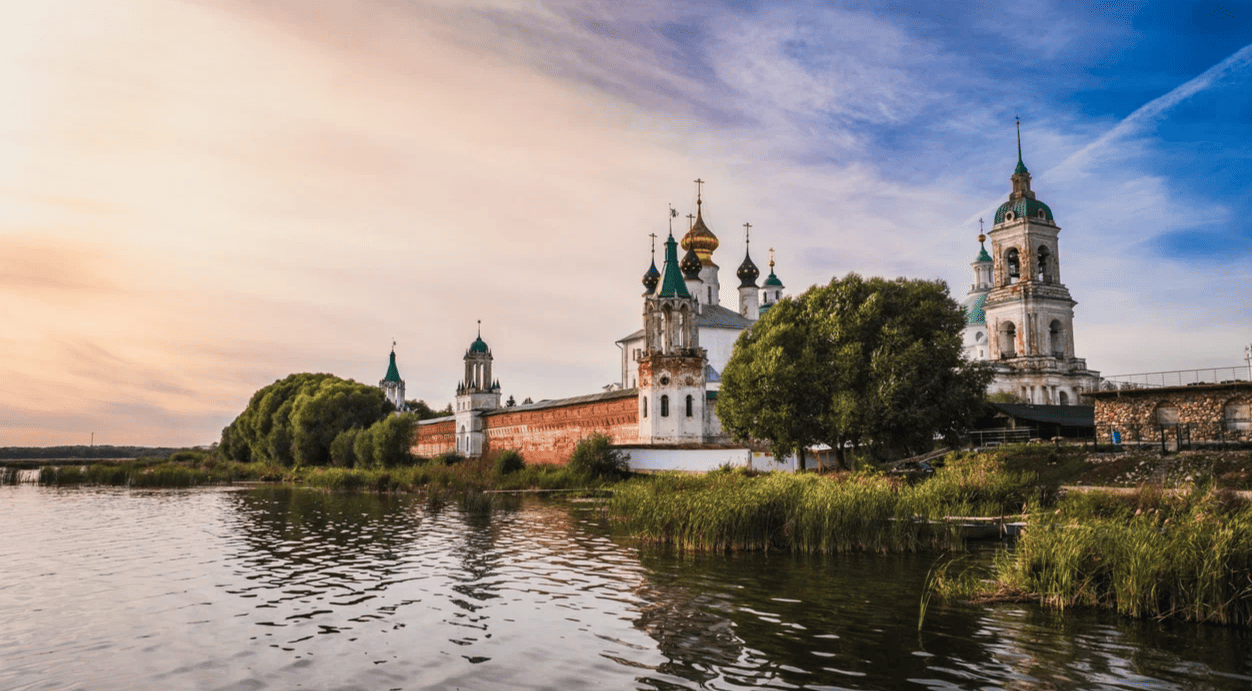
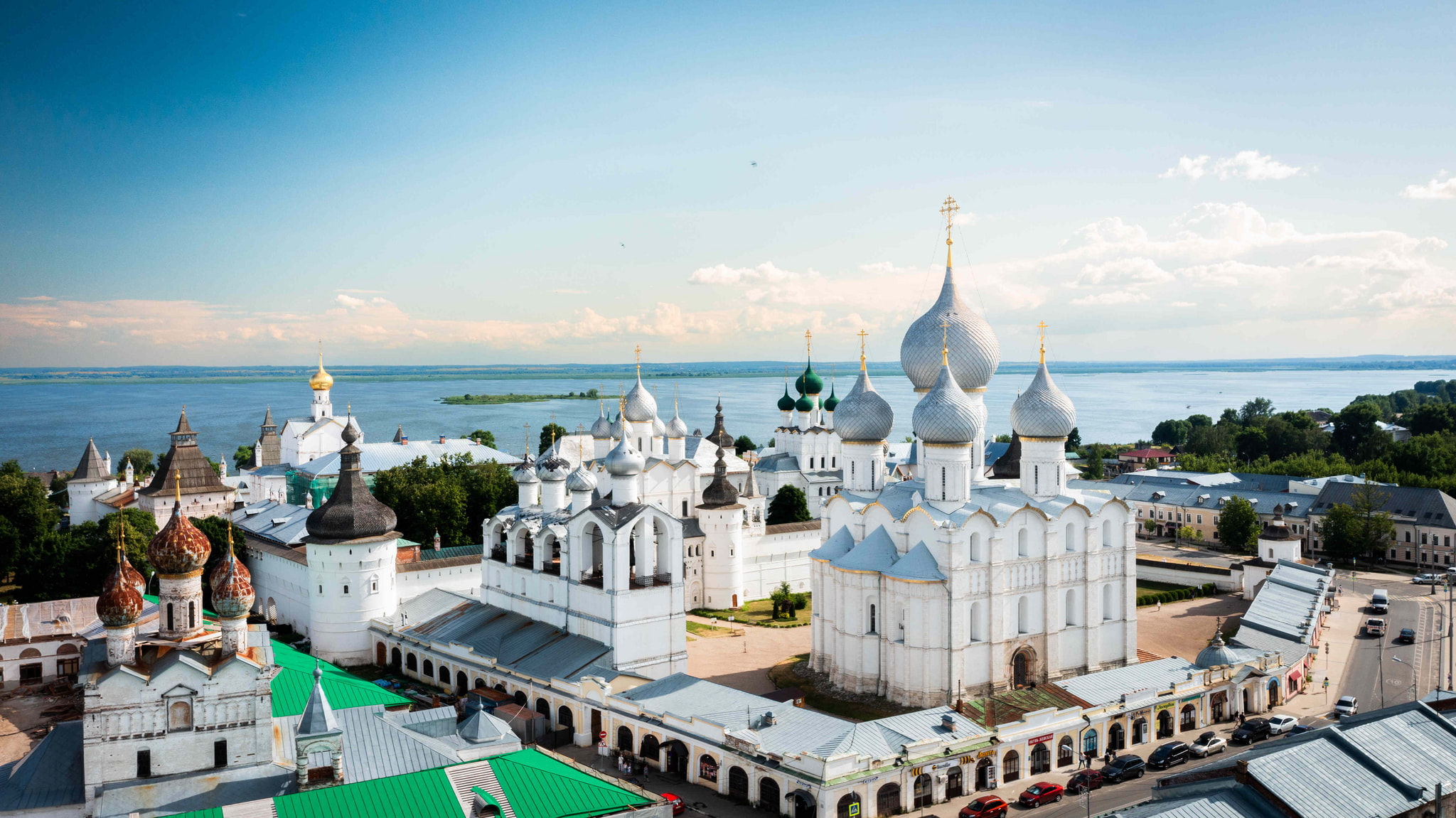
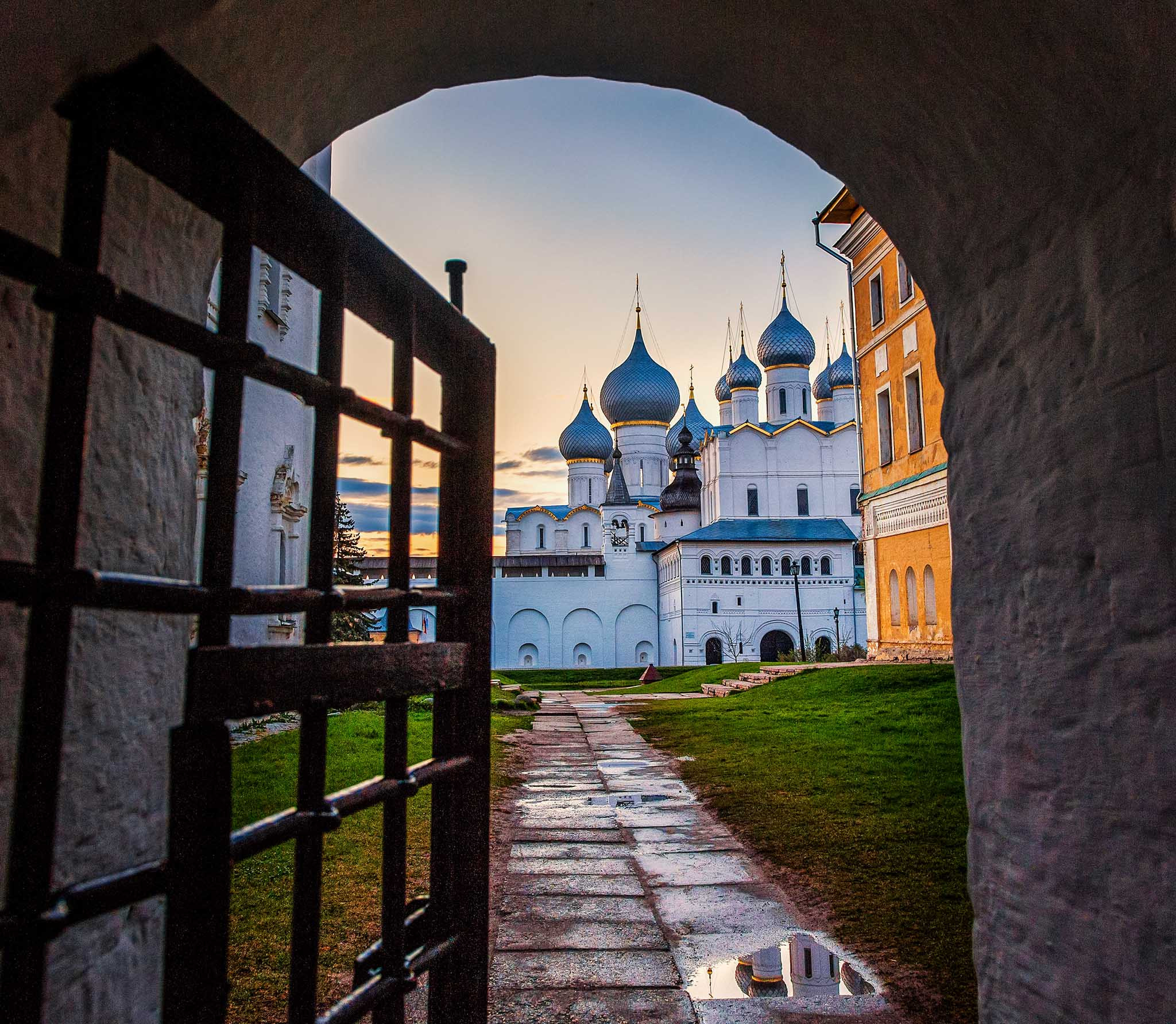
Next, the route lies to Rostov Veliky, the pearl of the Golden Ring. The main role is played by the Rostov Kremlin with ancient walls. A 17th-century equestrian yard has been restored on Cathedral Square. Guided tours allow you to get acquainted with unique architectural monuments, and the Kremlin reveals new secrets with each visit. Pereslavl-Zalessky is famous for its historical heritage. On Red Square stands the Transfiguration Cathedral, the oldest church in the city. The Ryapushka Kingdom Museum introduces the history of fish from the city coat of arms, including a tasting of the delicacy. The Fortune Boat, the only ship from Peter I's funny flotilla, is kept in the Peter I Boat Museum.
waypoints
1. Yaroslavl
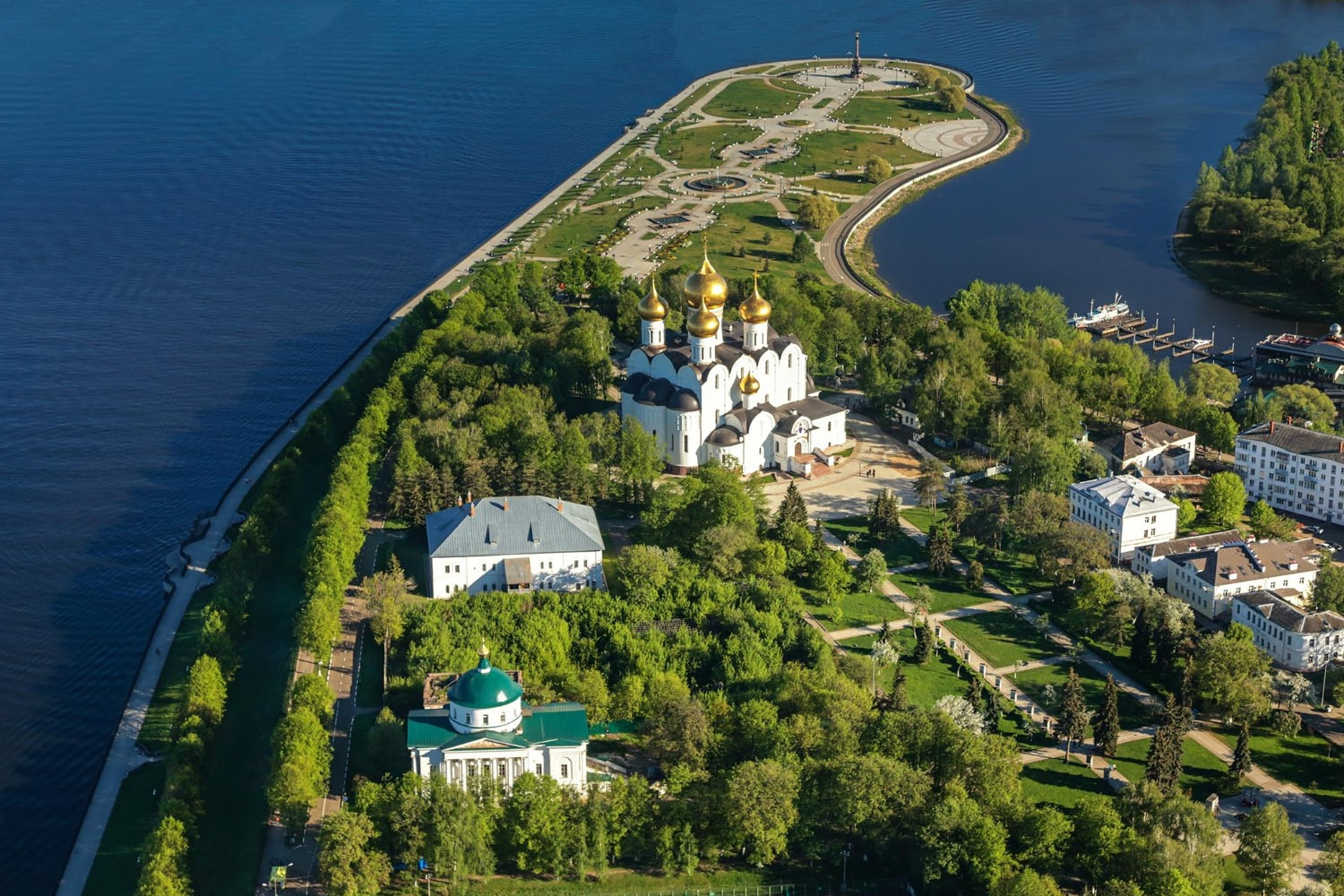


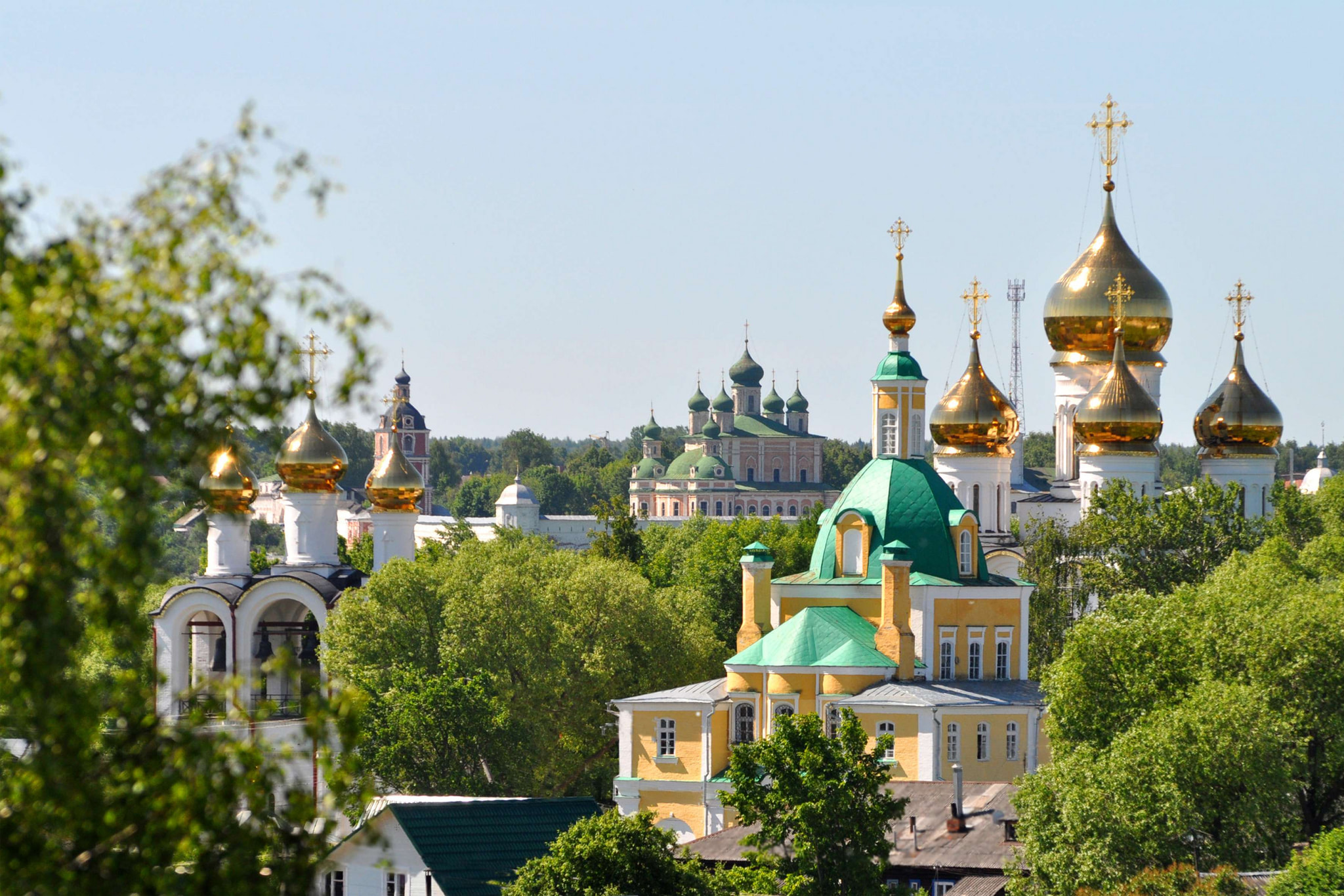
Yaroslavl is the capital of the Golden Ring of Russia with a thousand–year history and the first of the Russian cities on the Volga mentioned in chronicles. Yaroslavl is also one of the three Russian cities whose historical center is fully included in the UNESCO World Heritage List. One of the main values of Yaroslavl is the unique ensemble of temples of the 17th century. Each of the temples is distinguished by its uniqueness, and inside you can see bright and rich in subjects, amazing frescoes that have global significance. Moreover, nowhere in Russia will you find such a variety and quantity of tiles as here! However, Yaroslavl is famous not only for its temples. This is the place where the first Russian professional theater was founded, it is a city of wonderful museums, cozy squares, boulevards and interesting historical streets. In addition, Yaroslavl is a popular location for filming for many directors.
Come and understand why "Yaroslavl residents are all beautiful...".
2. Тутаев
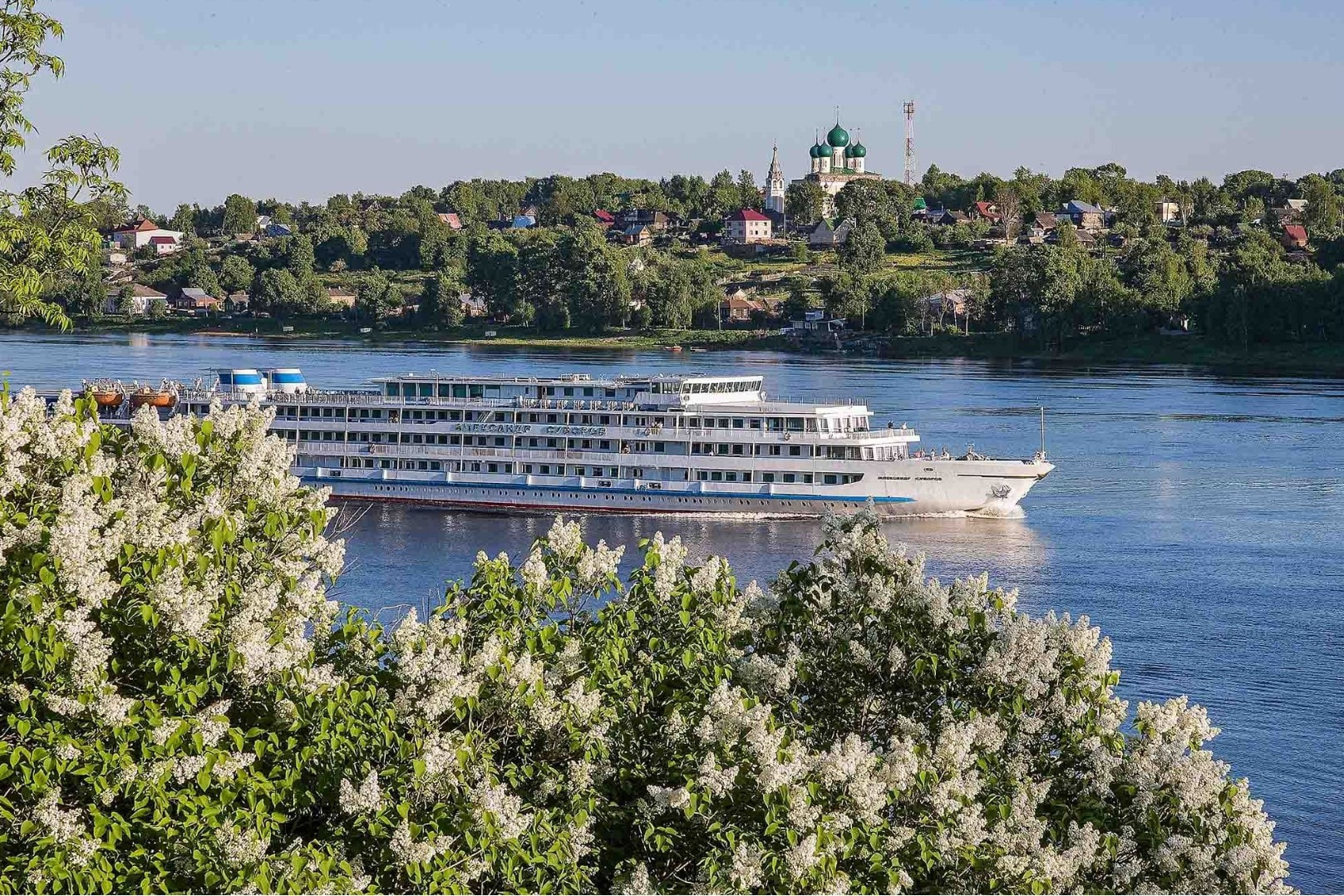
Tutaev is a city on seven hills, on seven clean springs and seven ravines.
Tutai, one of the most spiritual cities in Yaroslavl, stretches along the two banks of the Volga River. Although the historical name of the city, Romanov–Borisoglebsk, is closer to many. The banks of the Volga River, which differ in atmosphere and historical name, along with the intricate terrain, give the city a special charm. The left Bank has been preserved to this day as an open-air museum.
Temples surrounded by ancient merchant houses and stunning landscapes once fascinated Boris Kustodiev. Kustodievsky Boulevard offers the most beautiful view of the right bank of Tutaev – Borisoglebsk. The main object here is the Resurrection Cathedral with the miraculous icon of the All–Merciful Savior of the early 15th century.
And the USSR Park awaits those who are nostalgic for the recent past. In Tutaev, you can visit the museum of Admiral Fyodor Ushakov and the Russian Fleet, go to the Romanov sheep or the Museum of bell art.
A bell or a sheep's wool product will be a great souvenir from here. And don't forget to taste the local specialties – Romanov pies, beer, kvass, Romanov bagels and loaves.
3. Rybinsk
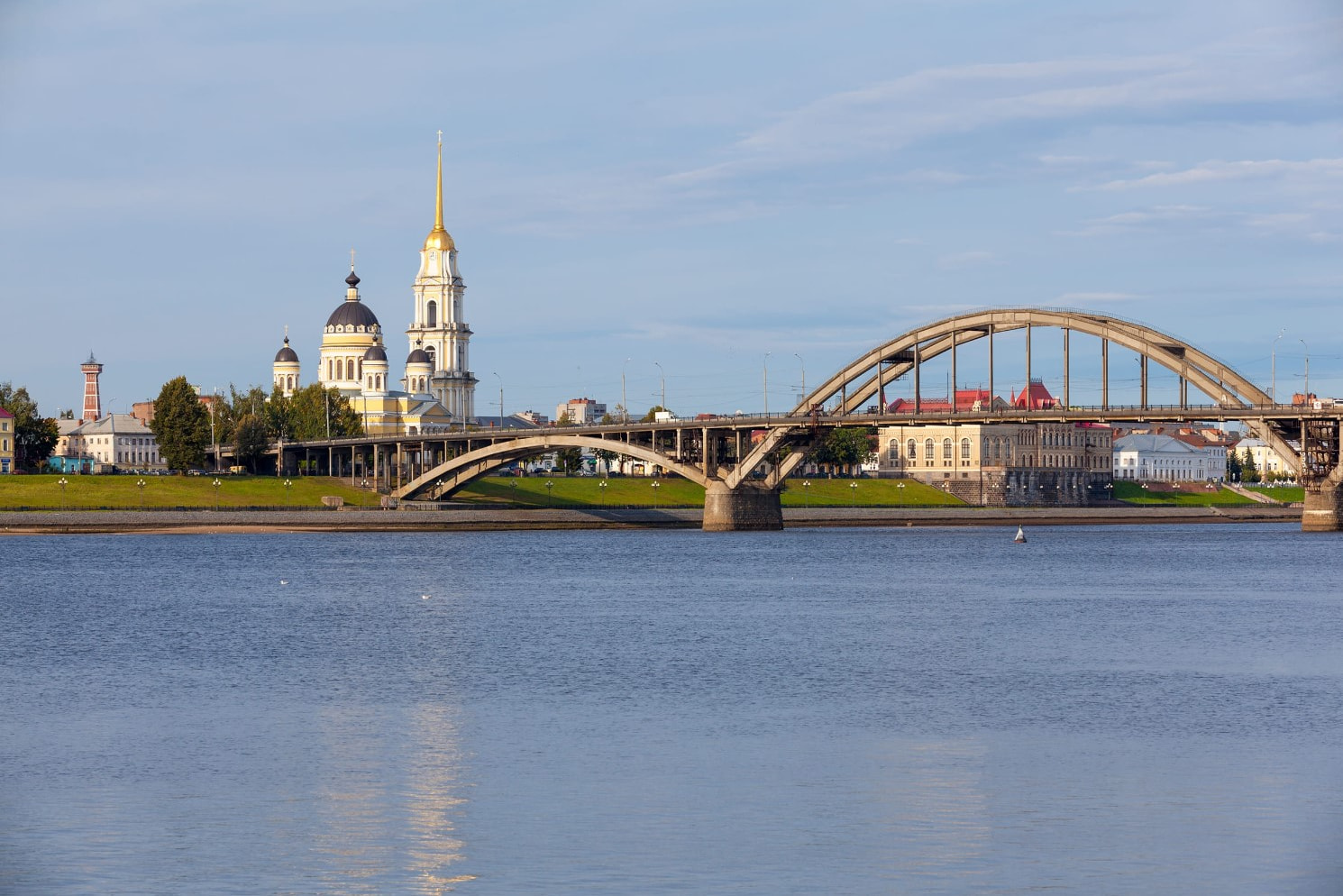
A craft settlement, a fish settlement, the capital of the grain trade and the cradle of merchants, a large industrial city, a science city — all this is about Rybinsk. For hundreds of years, the city has changed names, location and power, but it has retained its special free spirit, which can only be understood by visiting here.
Rybinsk is a city on the banks of the Volga River and the Rybinsk Reservoir, and is the second largest city in the Yaroslavl Region. In the 19th century, it deservedly bore the title of the capital of merchants and boatmen. It was during this period that Rybinsk became the largest grain trading center. The status of a merchant city was not just a formality: every third inhabitant of the city was involved in trade, created and increased capital. It was thanks to the merchant class that the city acquired its unique architectural appearance. Today, the merchant quarters, decorated with signs in the pre-revolutionary style, are not only pleasing to the eye, but also serve as a kind of portal into the past, allowing you to feel the spirit of the ancient city. Rybinsk is a city where history comes to life at every turn, offering guests unforgettable experiences and immersion in the era of great commercial achievements.
4. Rostov the Great
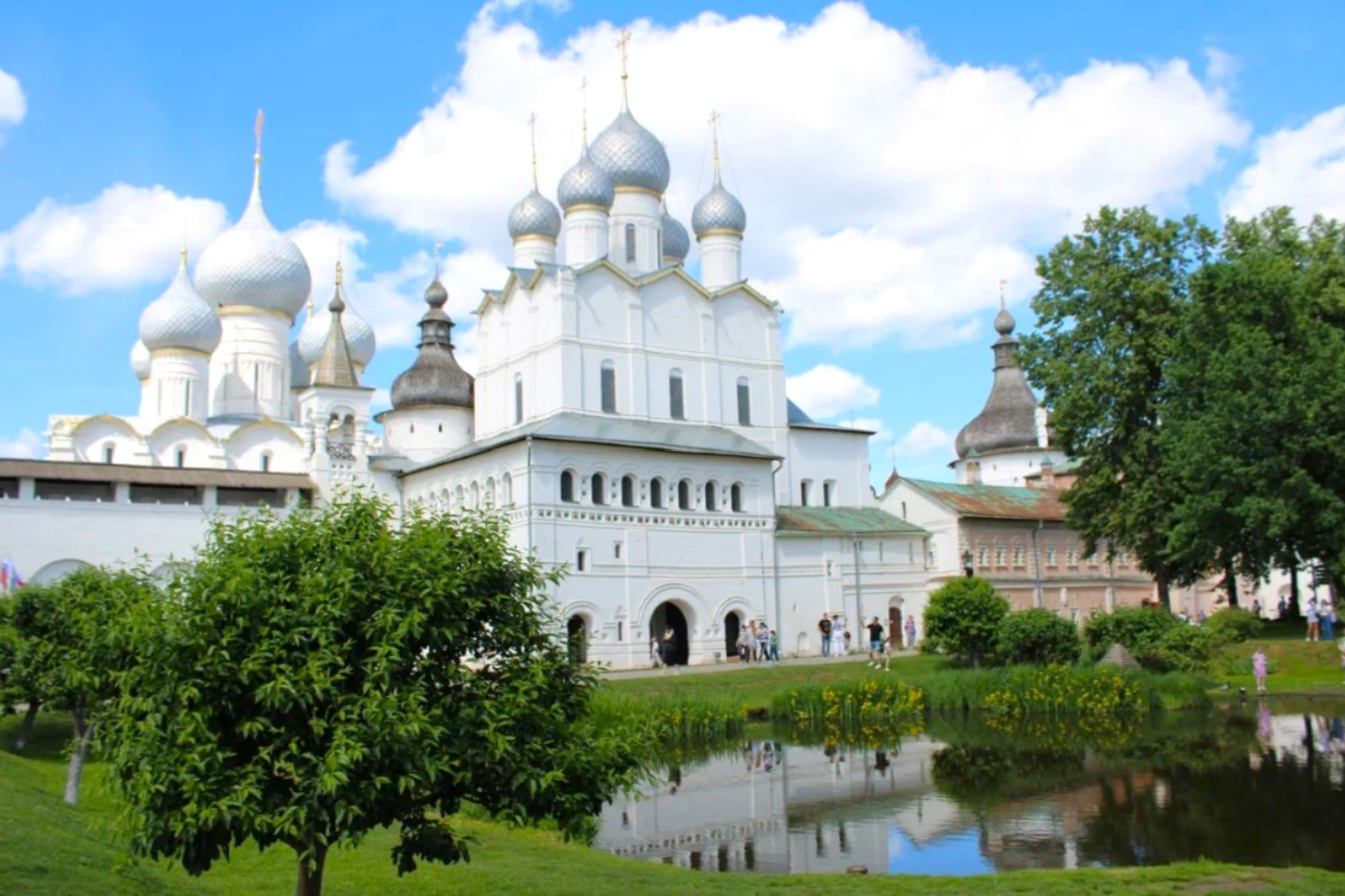
Rostov Veliky is one of the oldest cities, the first mention of which is found in 862.
The first written mention of Rostov the Great is contained in The Tale of Bygone Years. Initially, the territory was inhabited by Meryans and Chud tribes, then the Novgorodians, Vyatichi and Krivichi moved here. Gradually, the city grew, becoming a crosshair of trade routes.
Rostov's importance as the center of the Slavs began to increase in the 920s and 930s due to its increased colonization by the latter. In 989-1010, the young Yaroslav the Wise, later Grand Duke of Kiev, reigned in Rostov.
In 1207, the independent principality of Rostov arose, founded by Konstantin Vsevolodovich, the eldest son of Vsevolod Bolshoe Gnezdo. It quickly turned into one of the important political centers, with the influence of which was considered in other Russian principalities. At that time, Rostov the Great, one of the largest cities in the northeast, was in unprecedented prosperity, experiencing an economic and cultural upsurge.
For many centuries Rostov remained a significant religious center of the country. The Rostov diocese was not limited to the modern Yaroslavl region. The Rostov bishops were among the most influential church leaders. At the end of the 14th century, they were elevated to the rank of archbishops, and then metropolitans. The Rostov Archdiocese was one of the richest in Russia.
In the 19th century, numerous industrial enterprises appeared in the city, the first city water supply system, a university and a gymnasium were opened. Rostov fairs attracted numerous merchants and guests from other cities, which only contributed to the active flourishing of Rostov.
5. Переславль-Залесский
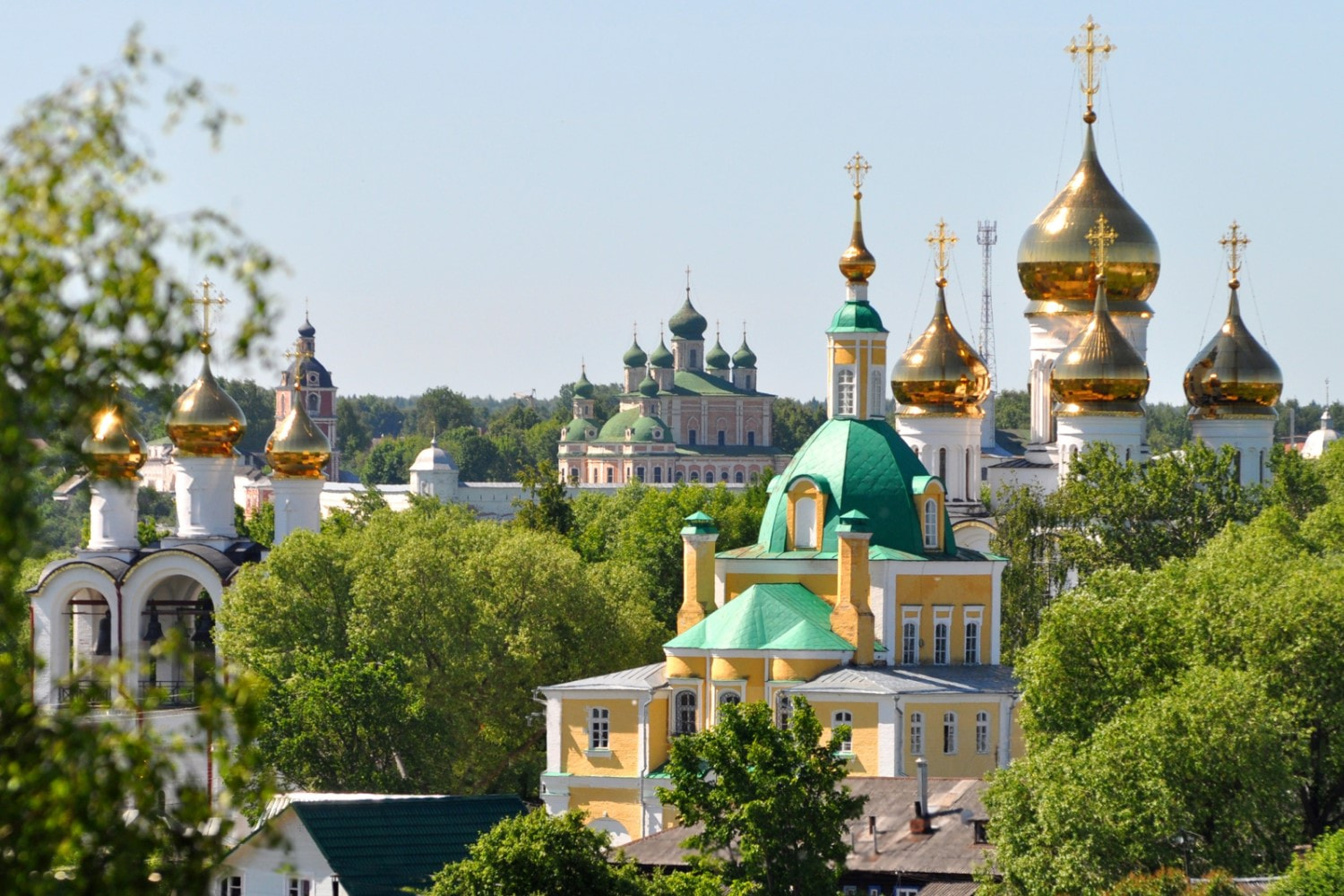
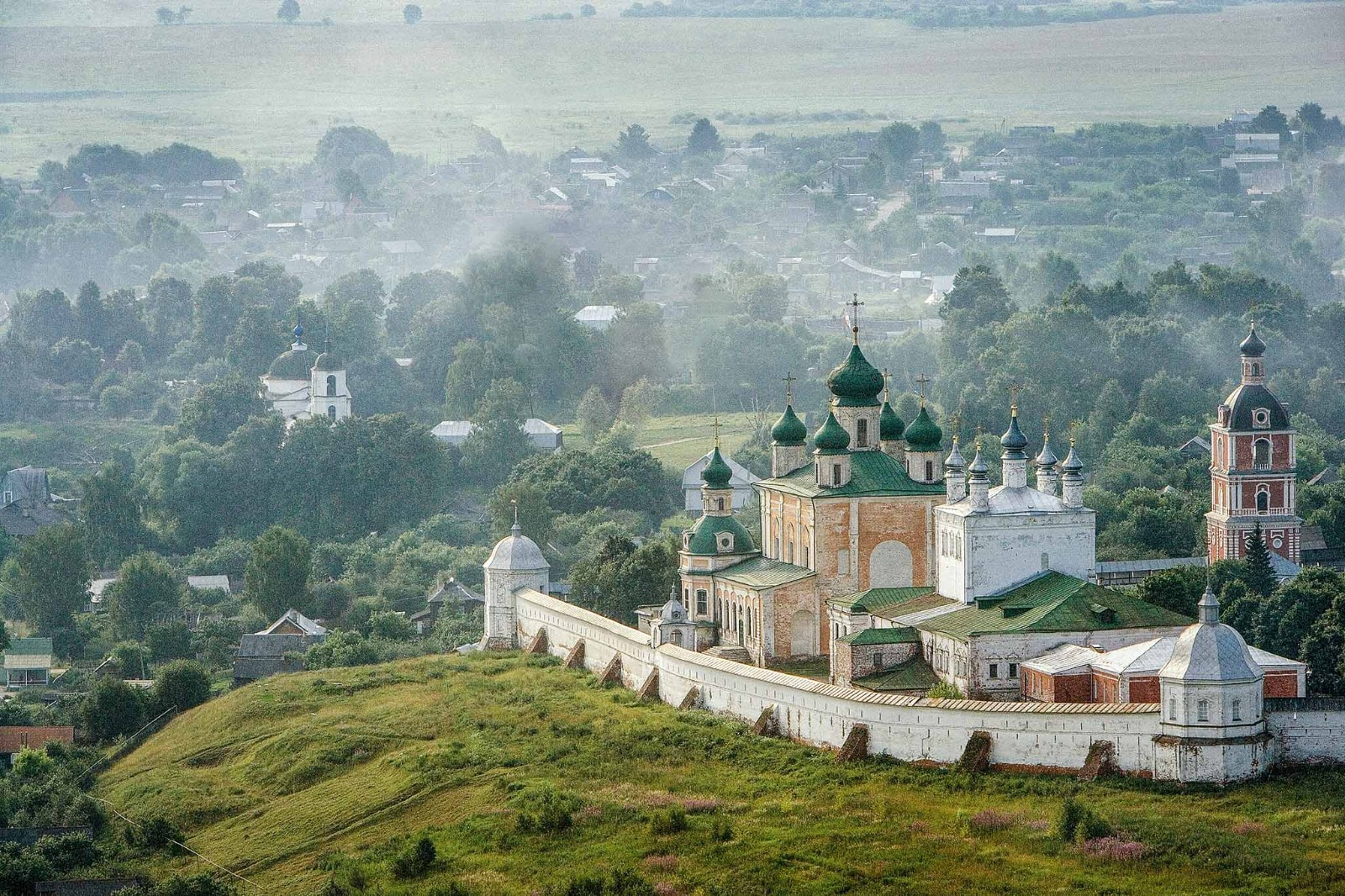
Pereslavl-Zalessky is considered the birthplace of the Russian navy. Traces of the early history of the Russian state have been preserved here to this day, including an earthen fortress dating back to the 12th century that once protected the posad from the enemy. The architectural complexes of six monasteries have been preserved in the city. On the outskirts of Pereslavl there is the Pleshcheyevo Lake National Park with unique historical monuments and the purest reservoir.
Pereslavl is the birthplace of St. Alexander Nevsky, one of the favorite places of Peter the Great, who founded his "funny" flotilla here.
Wherever you go in Pereslavl-Zalessky, there is something interesting waiting for you. Ancient temples with beautiful paintings, Alexandrova Gora, ramparts above the unhurried Trubezh River, a pagan shrine.
The ideal place for windsurfing and kitesurfing enthusiasts is Pleshcheyevo Lake, which, by the way, is one of the ten most mysterious places in Russia. Here, in the Pleshcheyevo Lake National Park, you can stroll through the ecotropics, visit the gray heron, admire the exuberant flowering of the flora in the arboretum. Take a ride on a trolley in the wonderful steam locomotive museum, visit the Peter the Great Boat Museum and learn the history of Russian navigation. You will be surprised by the number and variety of local museums – kettles, irons, sewing machines and many others. Meet the Horse in the coat and visit Berendey!
By all means, try the royal grouse and get a taste of happiness by going along one of the gastronomic routes – to a brewery or a cheese factory, to a restaurant in the forest or to bakers.
And if you're lucky, you'll see an amazing ballooning festival, when dozens of balloons rise into the sky over Pereslavl.