На авто по Ярославии — Волга, старинные усадьбы и уютные музеи

Это путешествие — шанс прикоснуться к культуре Ярославской области и увезти с собой незабываемые воспоминания!
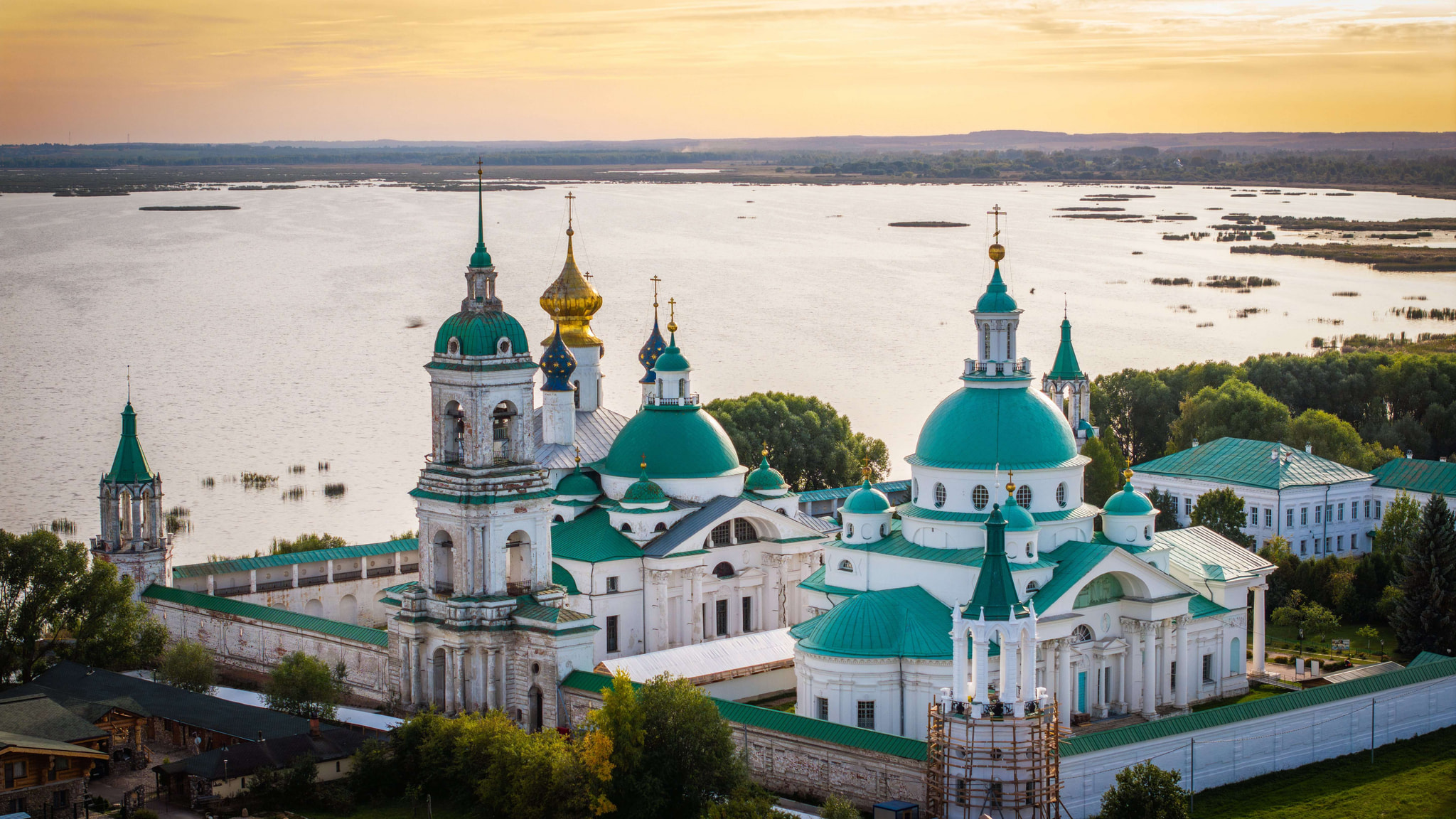
Теперь отправимся в Ростов Великий, где великолепный Кремль и местные церкви погрузят вас в атмосферу древности. Теперь отправимся в Углич. В Угличе сохранились множество памятников архитектуры разных эпох. Завершите маршрут в Мышкине - небольшом, но очень колоритном городе в Ярославской области.
1. день: г. Рыбинск — г. Ярославль
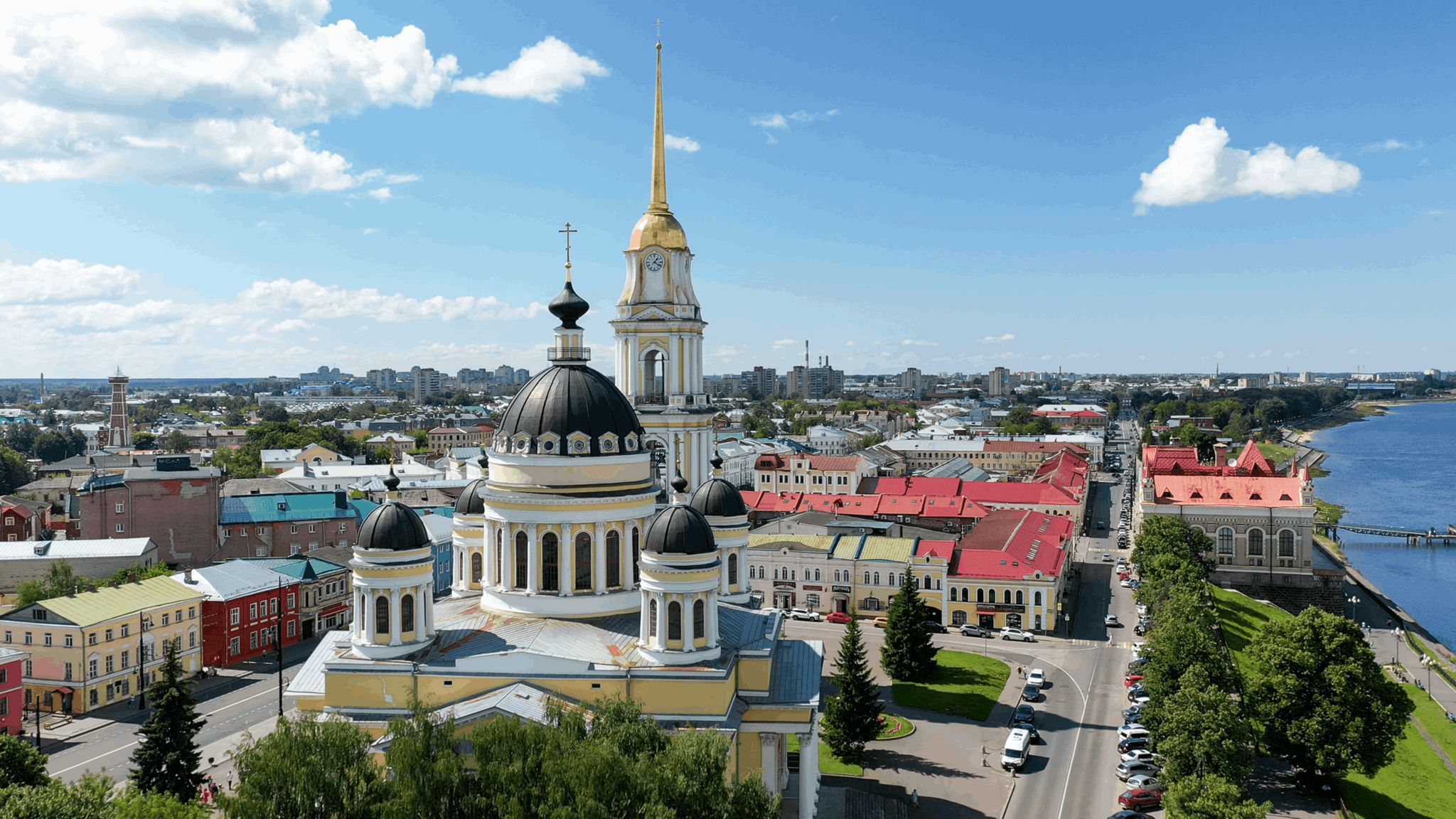
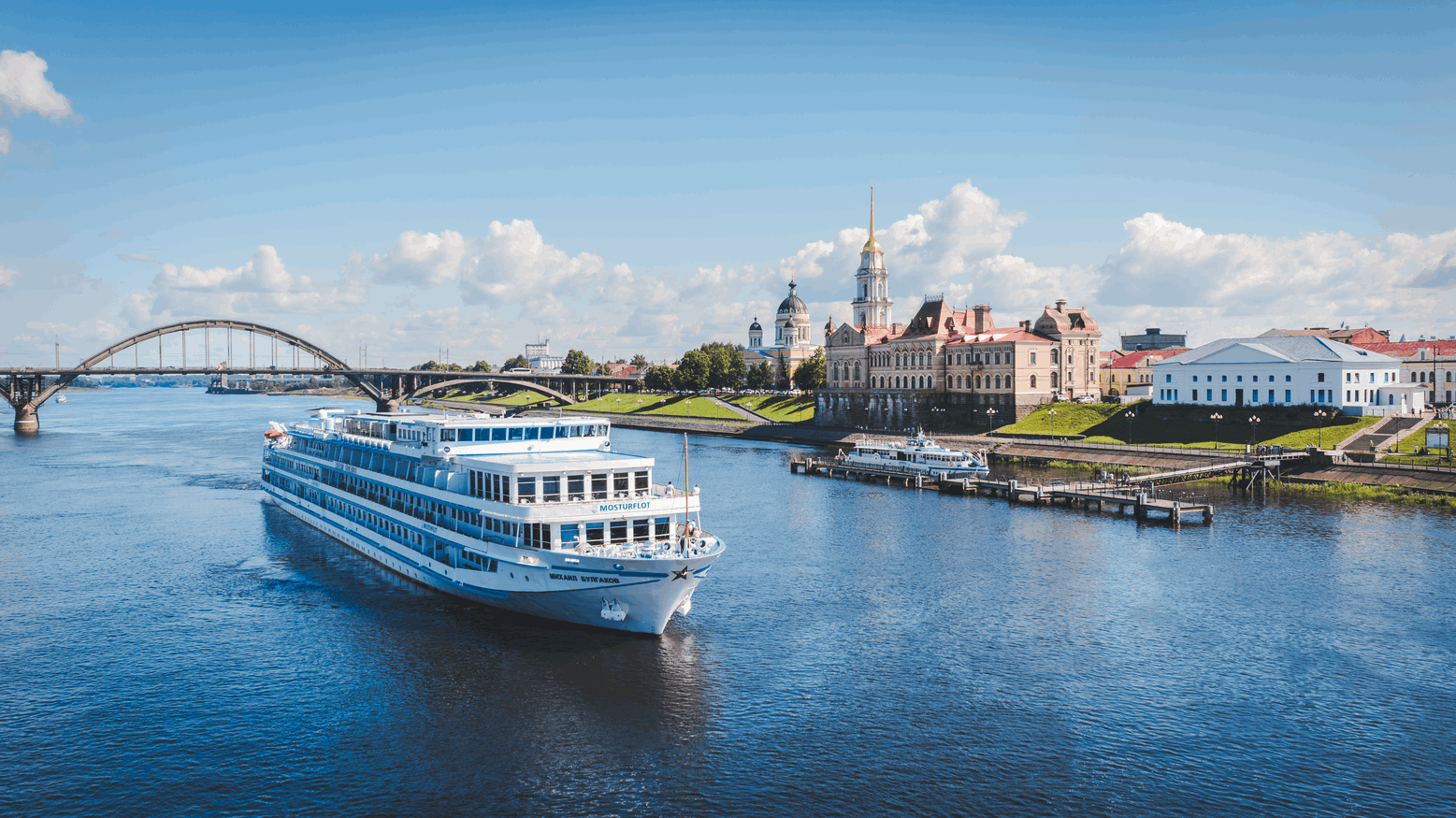
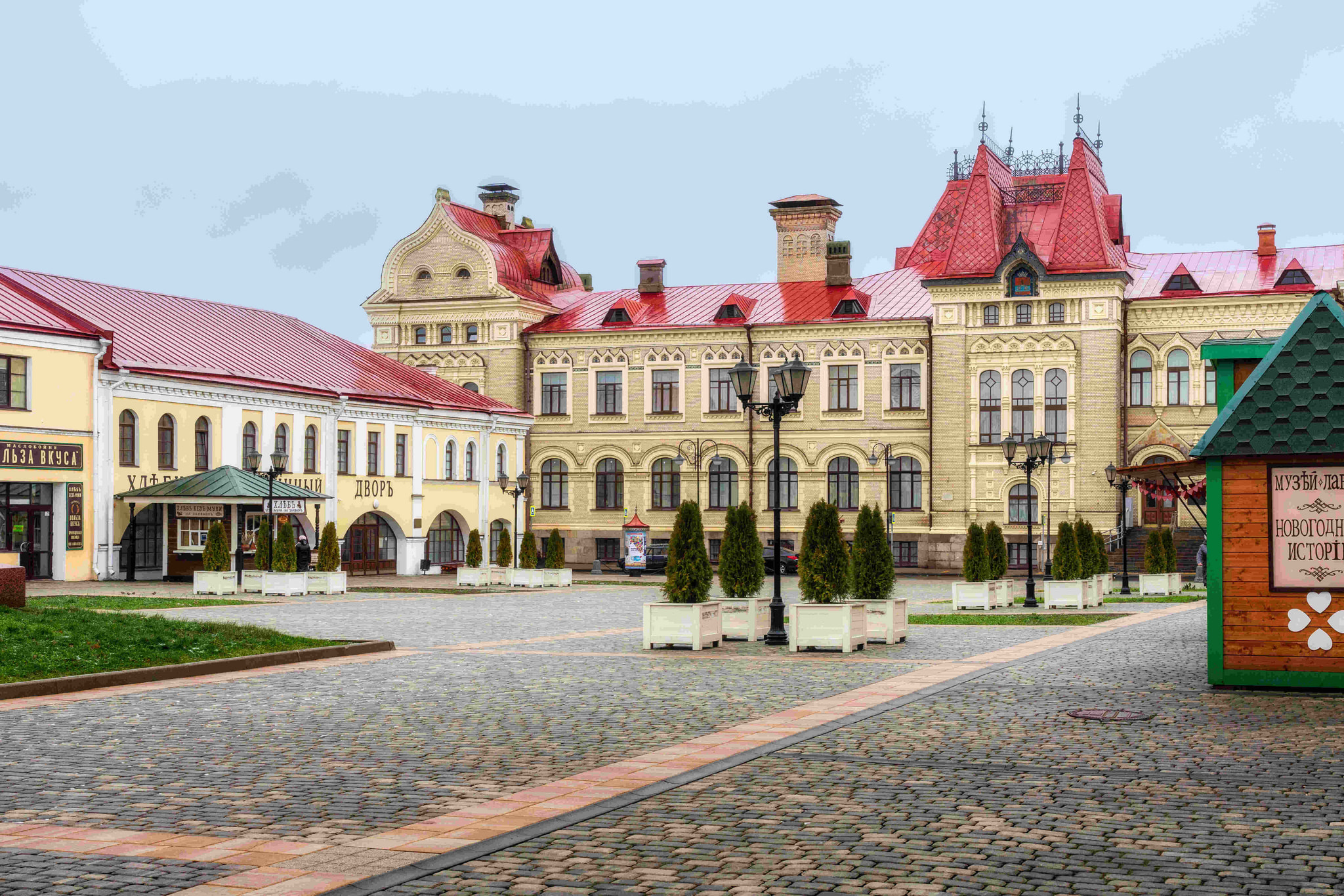
В открытую и самобытную Ярославскую область стоит поехать на машине в любое время года. Начнем в Рыбинске, знаменитом архитектурными памятниками и живописной набережной. Пройдитесь по его улицам и узнайте о рыбинских традициях.
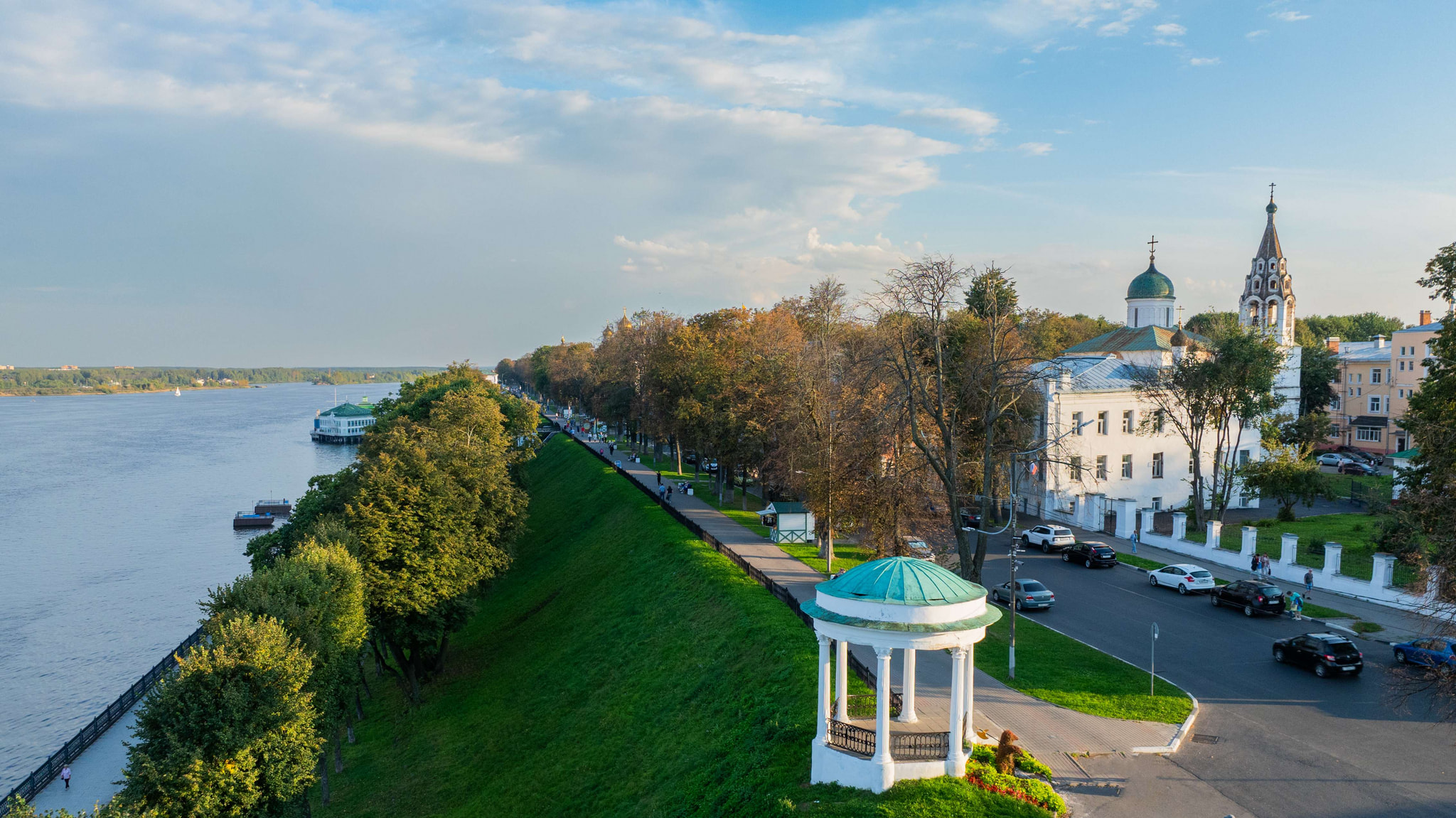
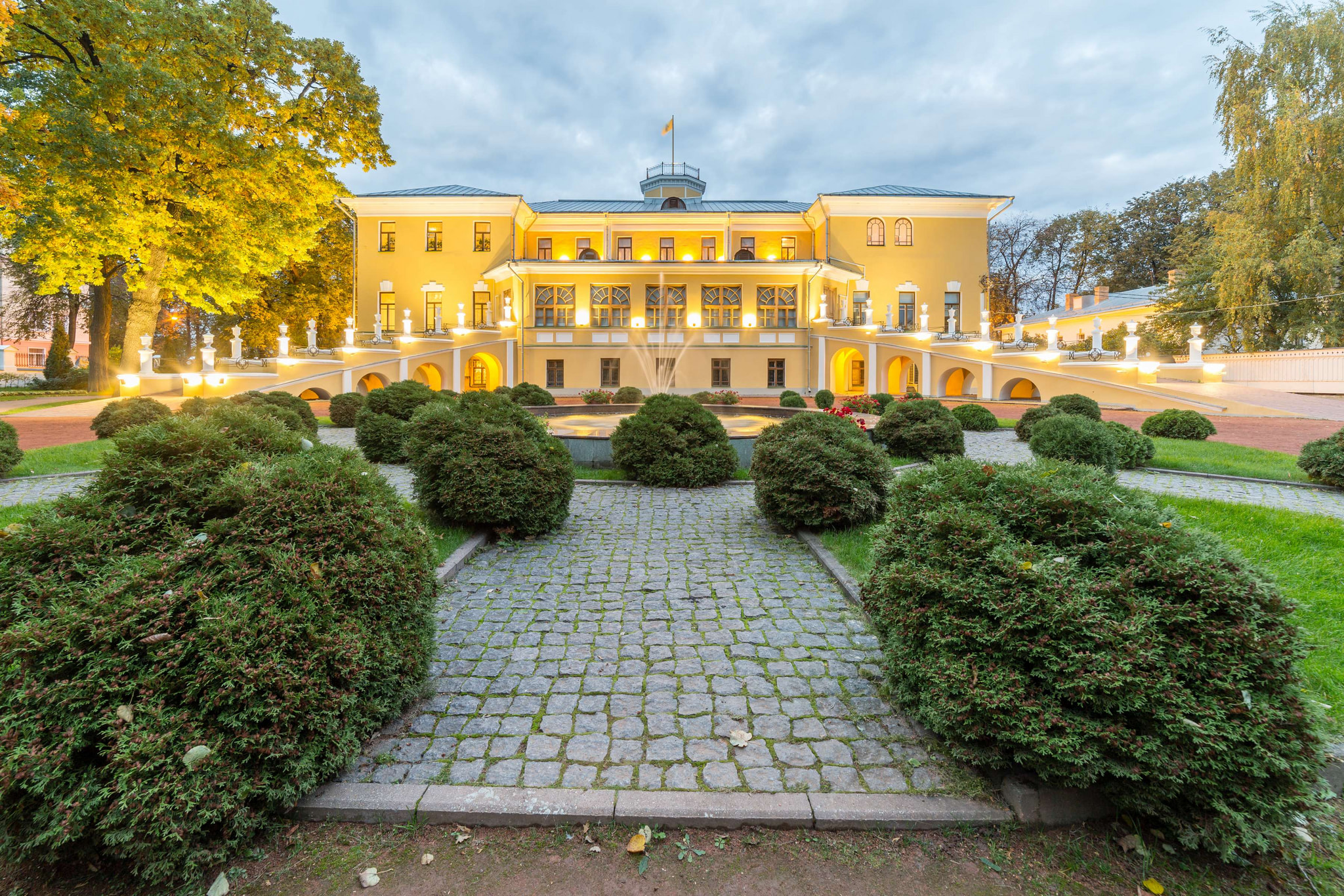
Ваш путь продолжится в Ярославле — городе XI века, известном своими яркими церквями и историческими усадьбами. Удобнее всего начинать путешествие с набережной Волги: свернуть в уютный музейчик или парк, сесть на паром и отправиться на прогулку или погулять по центру города, полюбоваться резными шпилями церквей. В разные сезоны каждый уголок области обретает свою прелесть: весной цветут сады, летом парки манят прохладой, осенью листвой, а зимой заснеженные просторы создают сказочную атмосферу. Не упустите возможность попробовать местные деликатесы в кафе и ресторанах, ведь ярославская кухня точно не разочарует!
2. день: г. Ярославль — г. Ростов Великий
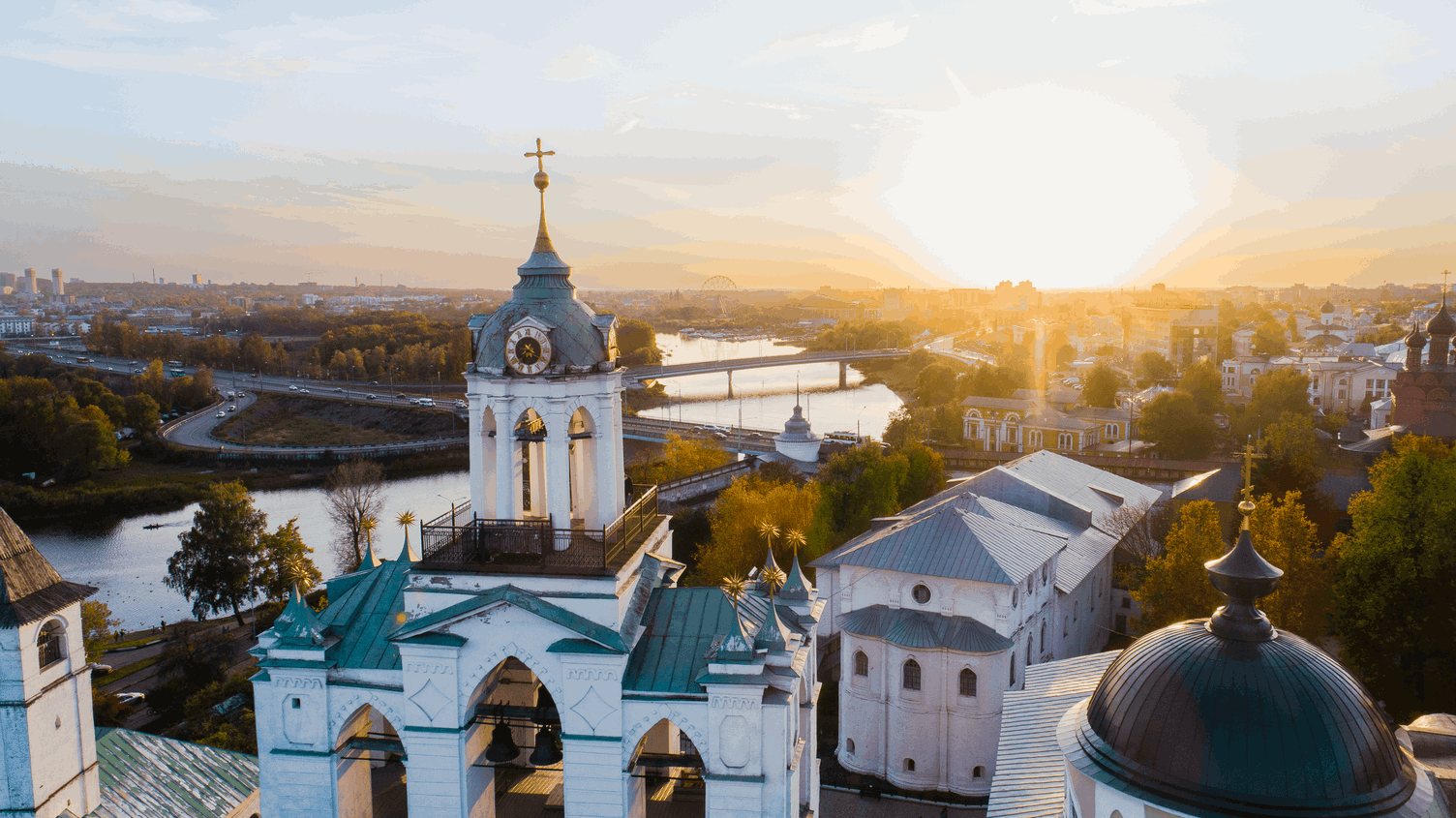
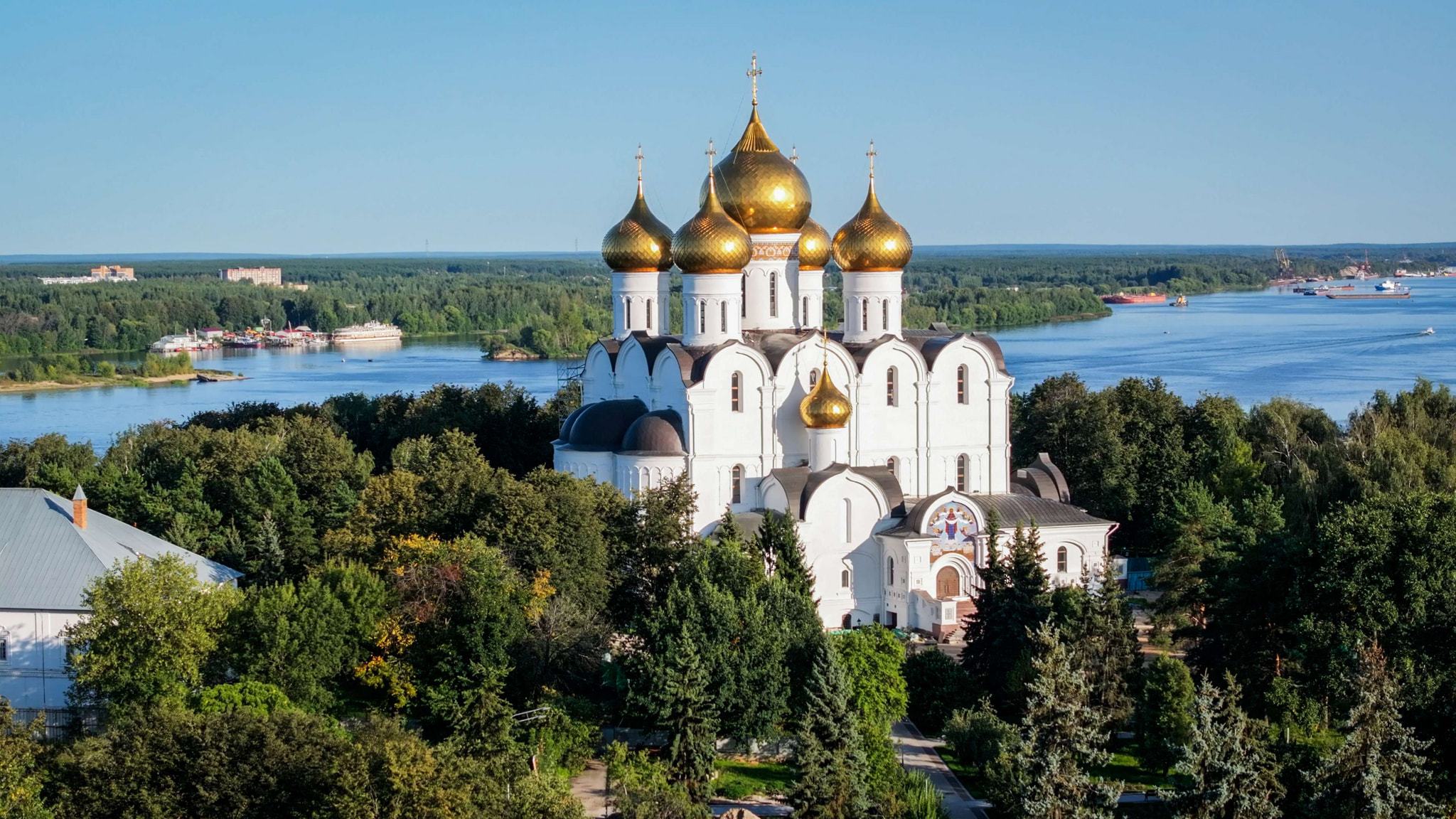
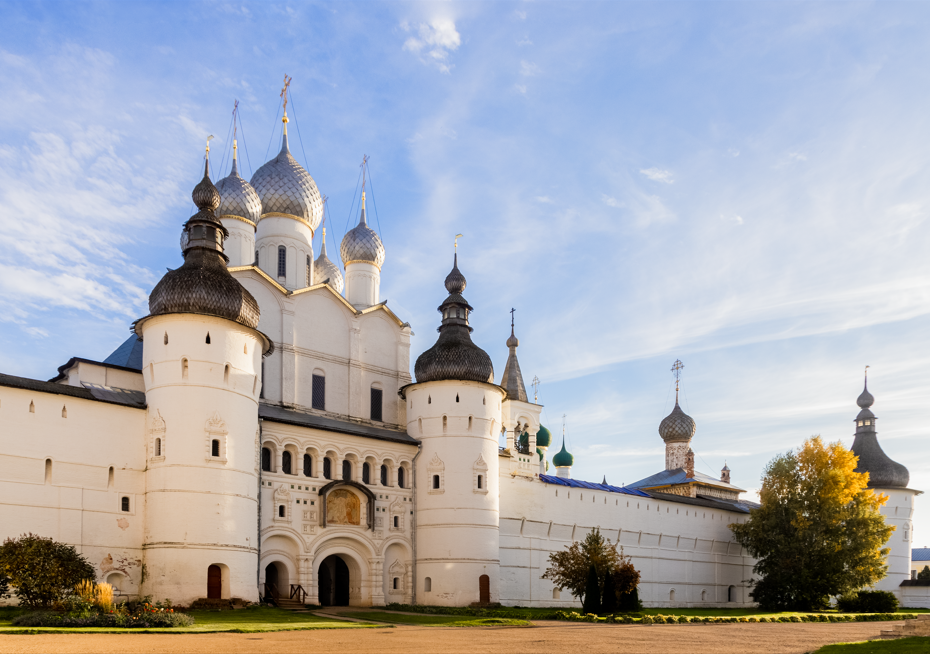
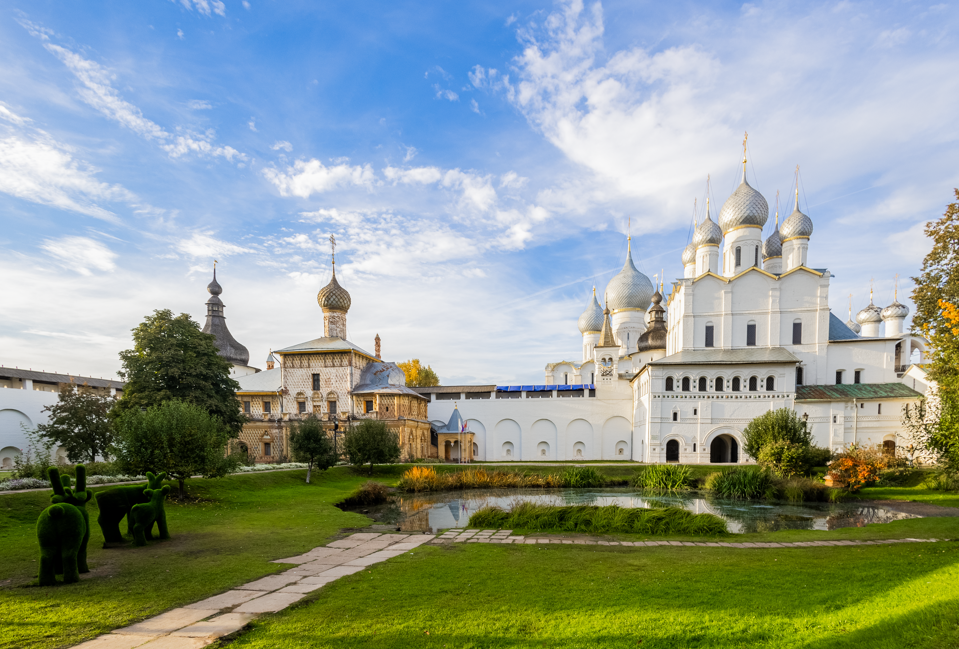
Начало второго дня предлагаем начать с посещения Успенского собора в городе Ярославль. Это — самый древний храм Ярославля, заложенный ещё в начале 13 века. За свою историю храм несколько раз горел и был разрушен, а в неспокойные 1930-е годы и вовсе взорван, а на его месте разбит парк. Сегодня стрелку Волги и Которосли украшает восстановленный в 2000-е годы Успенский собор — с белокаменными стенами и золотыми главками. Дальше наше путешествие продолжается в Ростове Великом. Ростов Великий — один из самых живописных городов России со множеством старинных архитектурных построек. Здесь стоит прогуляться по стенам белокаменного кремля (кстати, здесь снимали «Ивана Васильевича»), послушать колокольный звон и попробовать сосчитать бесчисленные маковки церквей.
3. день: г. Углич — г. Мышкин
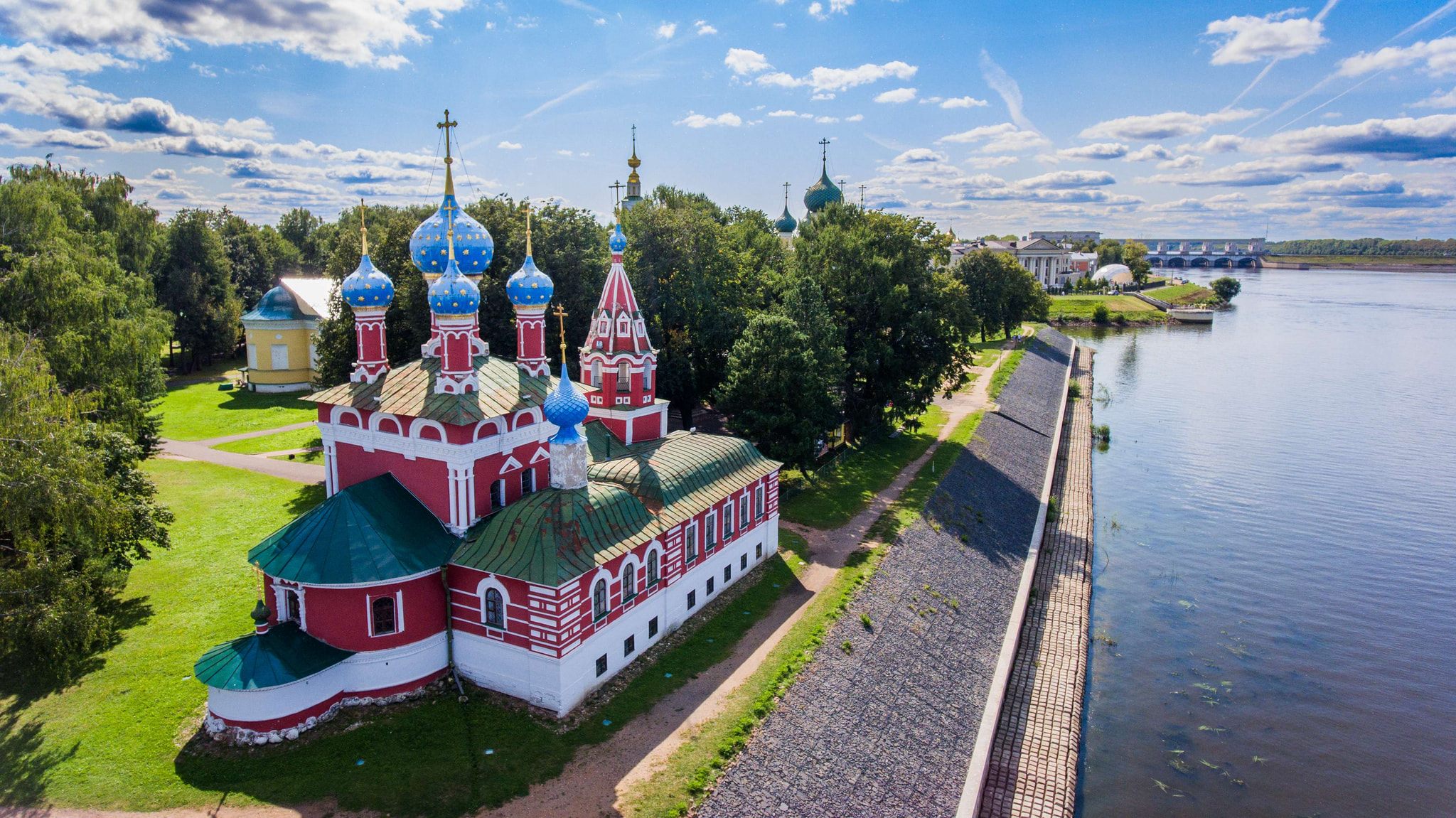
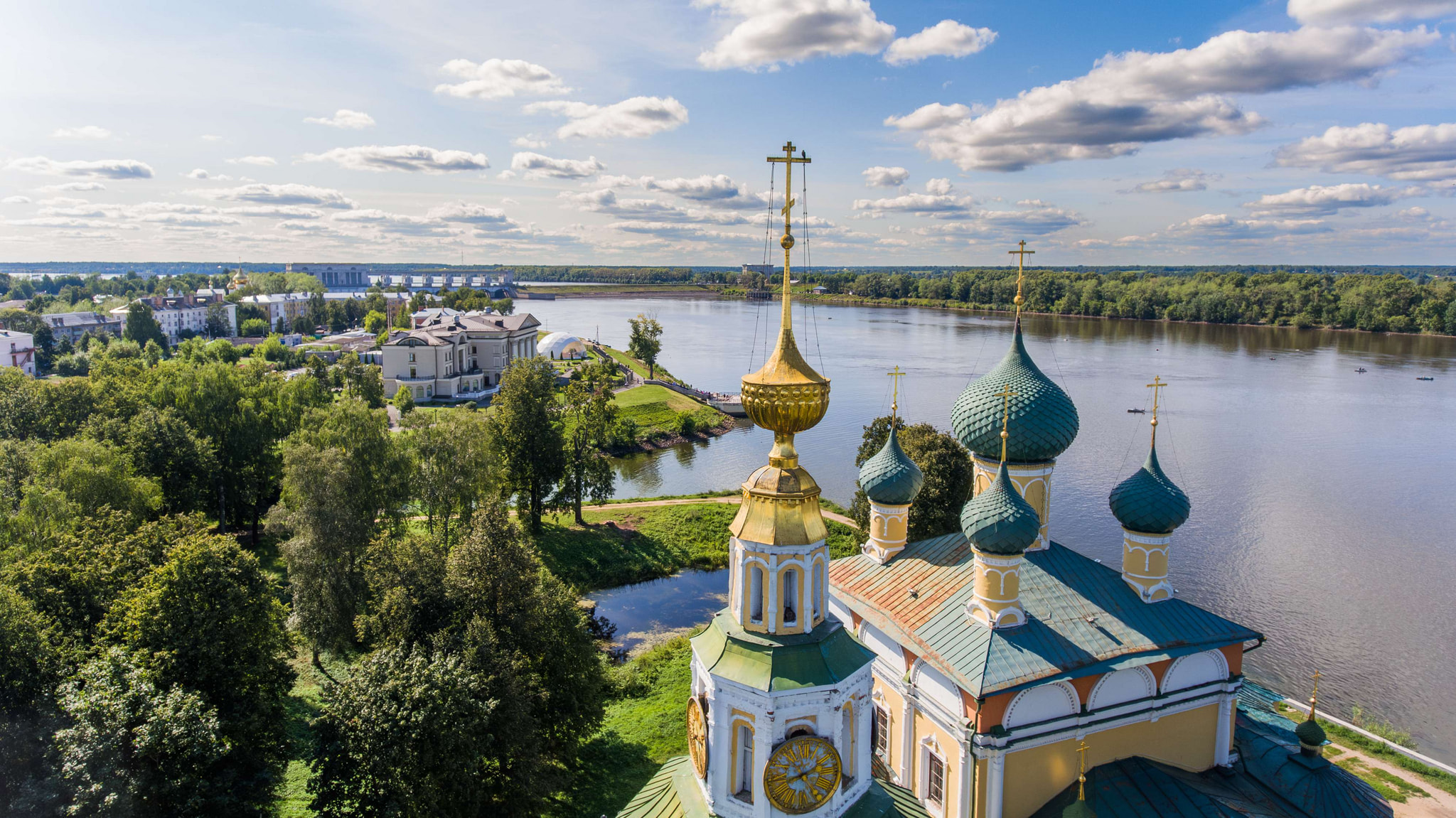
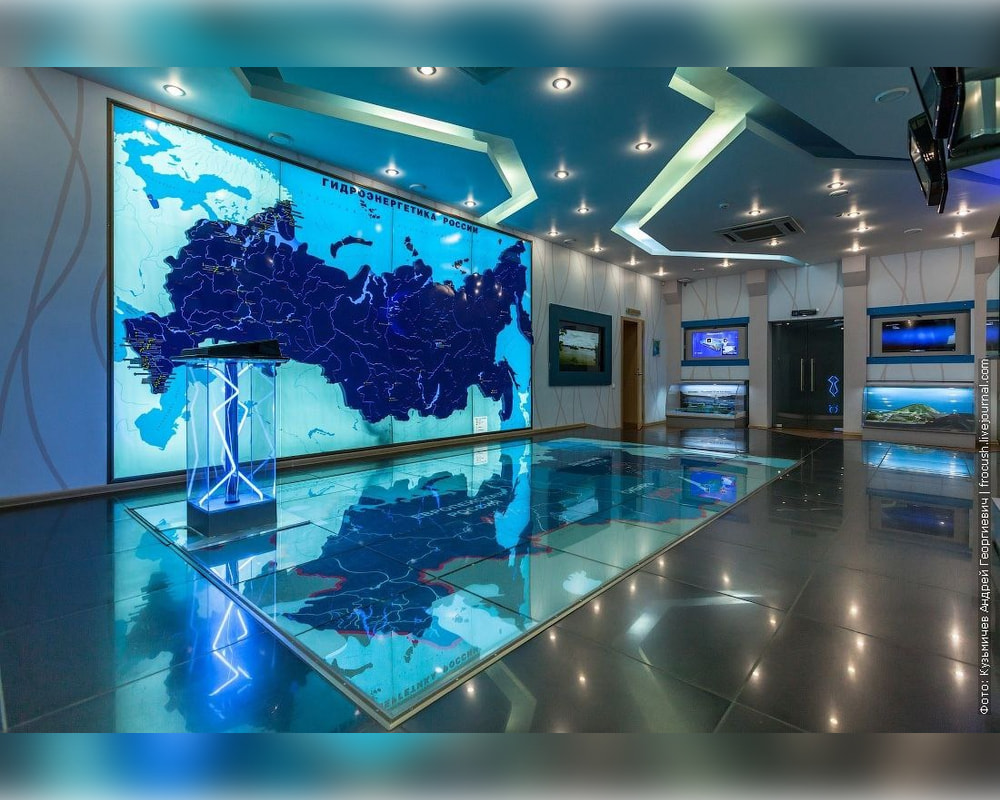
Углич — город с многовековой историей, расположенный на берегу реки Волга. Одной из главных достопримечательностей Углича является Государственный историко-художественный музей-заповедник, включающий ряд выдающихся памятников архитектуры и истории. Кроме того, интересен и современный аспект развития города. Так, Музей Гидроэнергетики рассказывает о развитии гидроэнергетики в России, демонстрируя макеты электростанций, редкие фотографии и архивные материалы. Далее, мы предлагаем посетить город Мышкин. По легенде, Мышкин получил свое название в память о мышке, которая спасла князя Мстиславского от укуса ядовитой змеи. В Мышкине сохранились уютные деревянные домики, а еще есть множество необычных музеев (и даже единственный в мире музей мыши). Тут же расположен живописный берег Волги, идеально подходящий для романтических прогулок. В этом уютном городке время словно останавливается, позволяя насладиться каждой минутой.
waypoints
1. Rybinsk
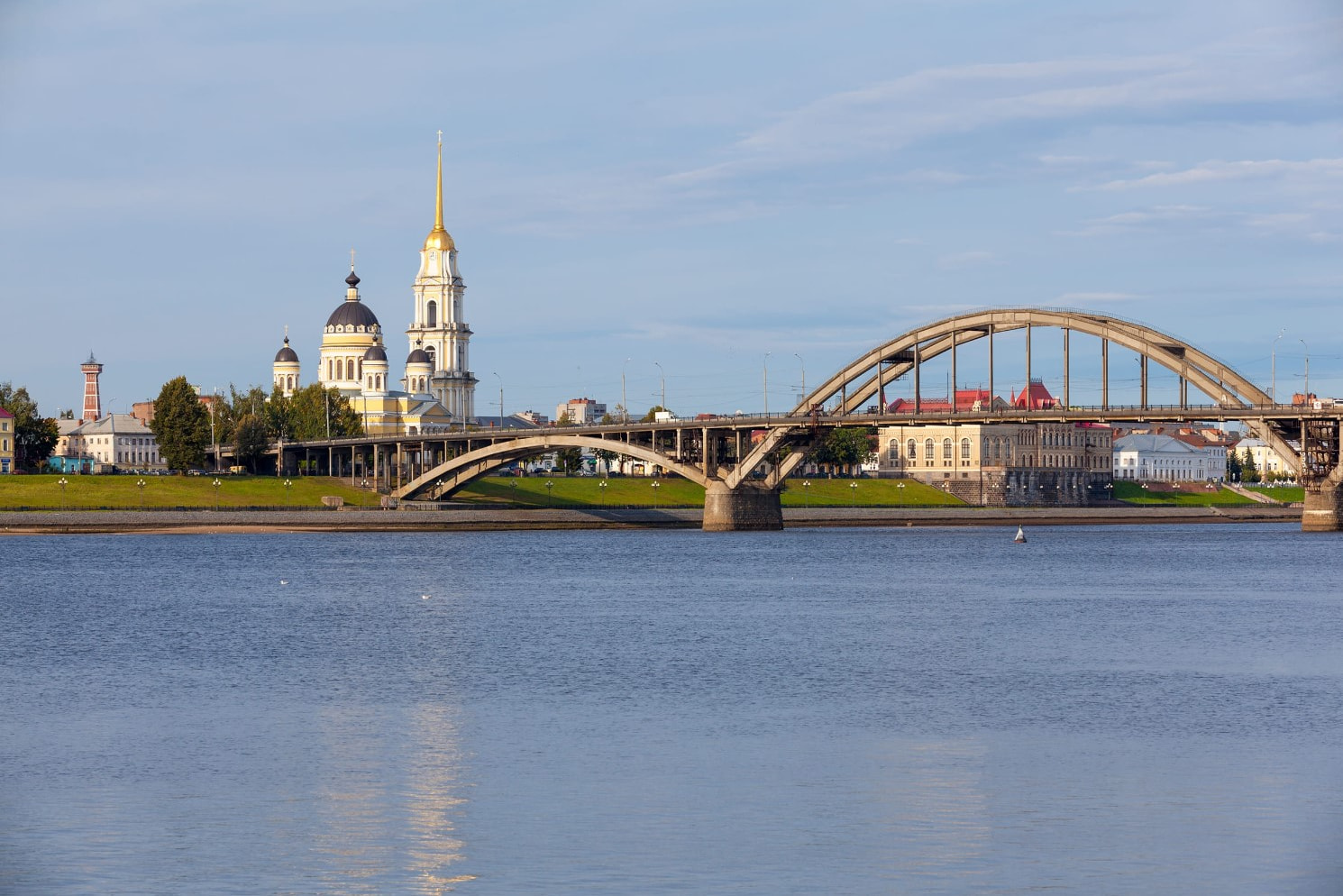


Ремесленное поселение, рыбная слобода, столица хлебной торговли и колыбель купечества, крупный промышленный город, наукоград – все это о Рыбинске. За сотни лет город менял названия, расположение и власть, но сохранял свой особенный вольный дух, понять который можно только побывав здесь.
Рыбинск – город на берегу реки Волга и Рыбинского водохранилища, занимает второе место по величине среди городов Ярославской области. В XIX веке заслуженно носил звание столицы купцов и бурлаков. Именно в этот период Рыбинск превратился в крупнейший центр торговли зерном. Статус купеческого города был не просто формальностью: каждый третий житель города был причастен к торговле, создавал и приумножал капиталы. Именно благодаря купеческому сословию город обрел свой неповторимый архитектурный облик. Сегодня купеческие кварталы, украшенные вывесками в дореволюционном стиле, не просто радуют глаз, но и являются своеобразным порталом в прошлое, позволяя ощутить дух древнего города. Рыбинск – это город, где история оживает на каждом шагу, предлагая гостям незабываемые впечатления и погружение в эпоху великих торговых свершений.
2. Yaroslavl
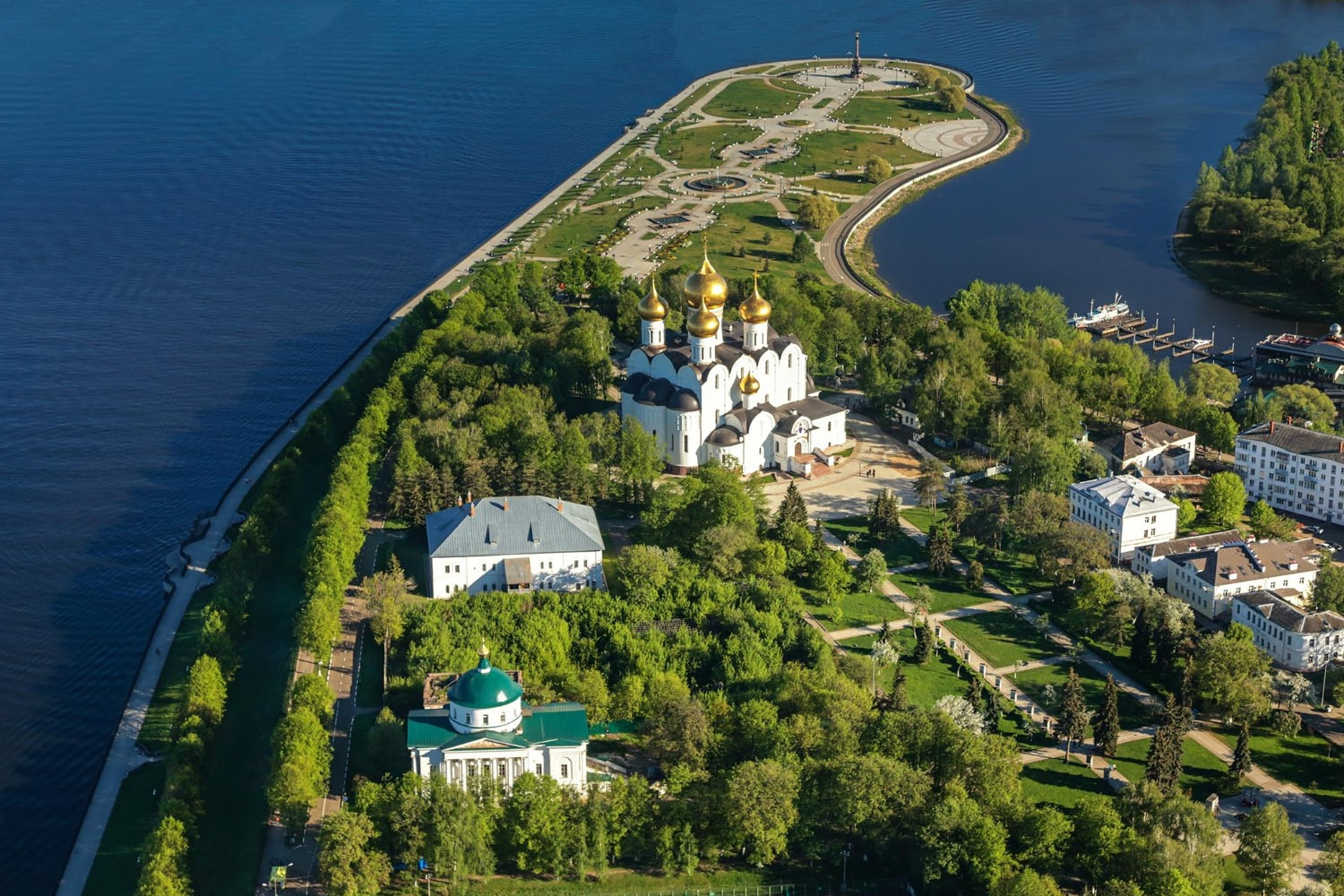
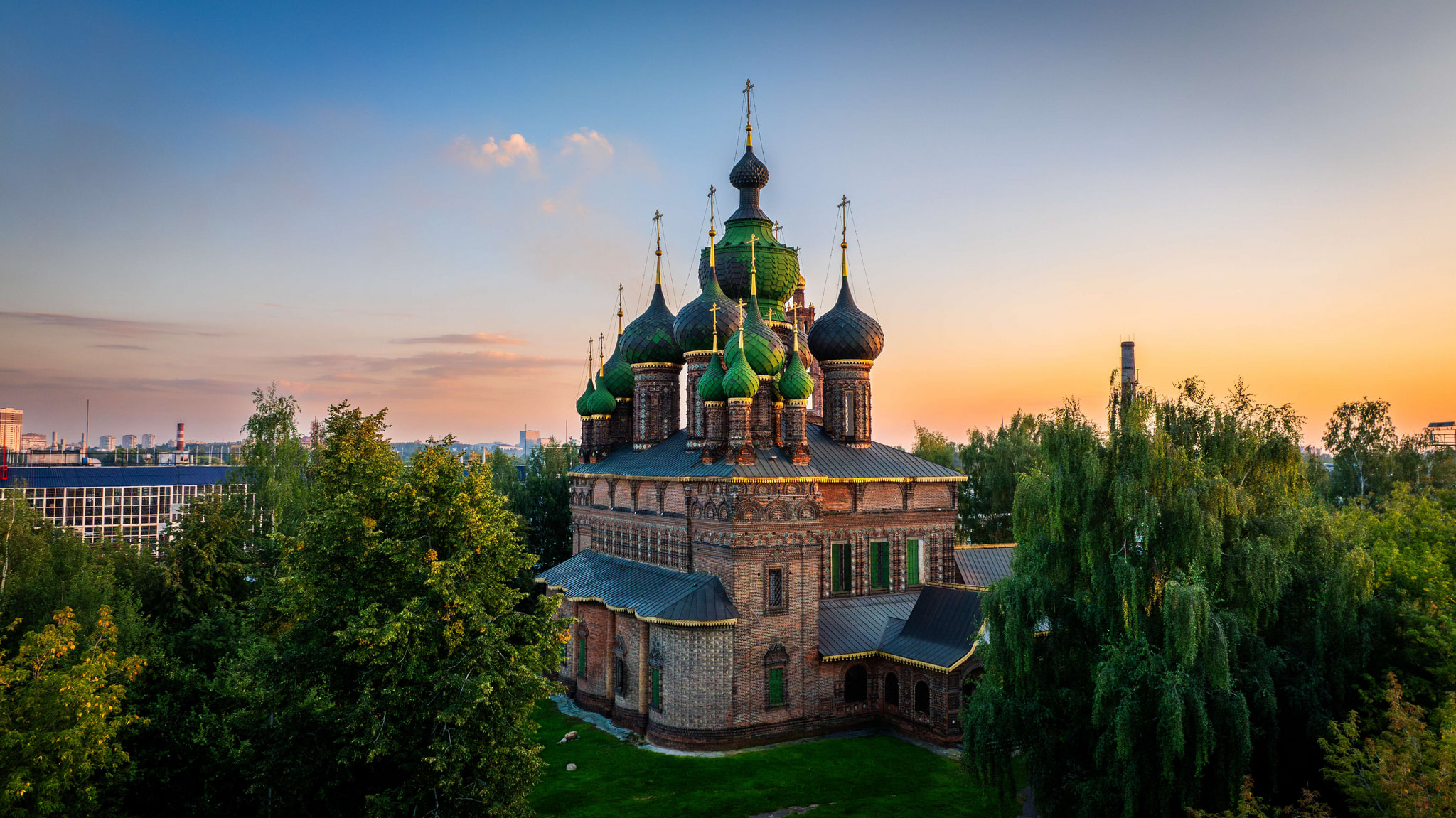
Ярославль – столица Золотого Кольца России с тысячелетней историей и первый из русских городов на Волге, упоминаемый в летописях. Также Ярославль – это один из трёх городов России, чей исторический центр полностью включён в список Всемирного наследия ЮНЕСКО. Одной из основных ценностей Ярославля является уникальный ансамбль храмов XVII века. Каждый из храмов отличается своей неповторимостью, а внутри можно увидеть яркие и насыщенные сюжетами, поражающие воображение фрески, которые имеют мировое значение. Более того, нигде в России вы не найдёте такого разнообразия и количества изразцов, как у нас! Однако Ярославль знаменит не только своими храмами. Это место, где был основан первый русский профессиональный театр, это город замечательных музеев, уютных скверов, бульваров и интересных исторических улиц. Кроме того, Ярославль является популярной локацией для съёмок у многих режиссёров.
Приезжайте и поймите, почему «ярославцы – все красавцы...».
3. Rostov the Great
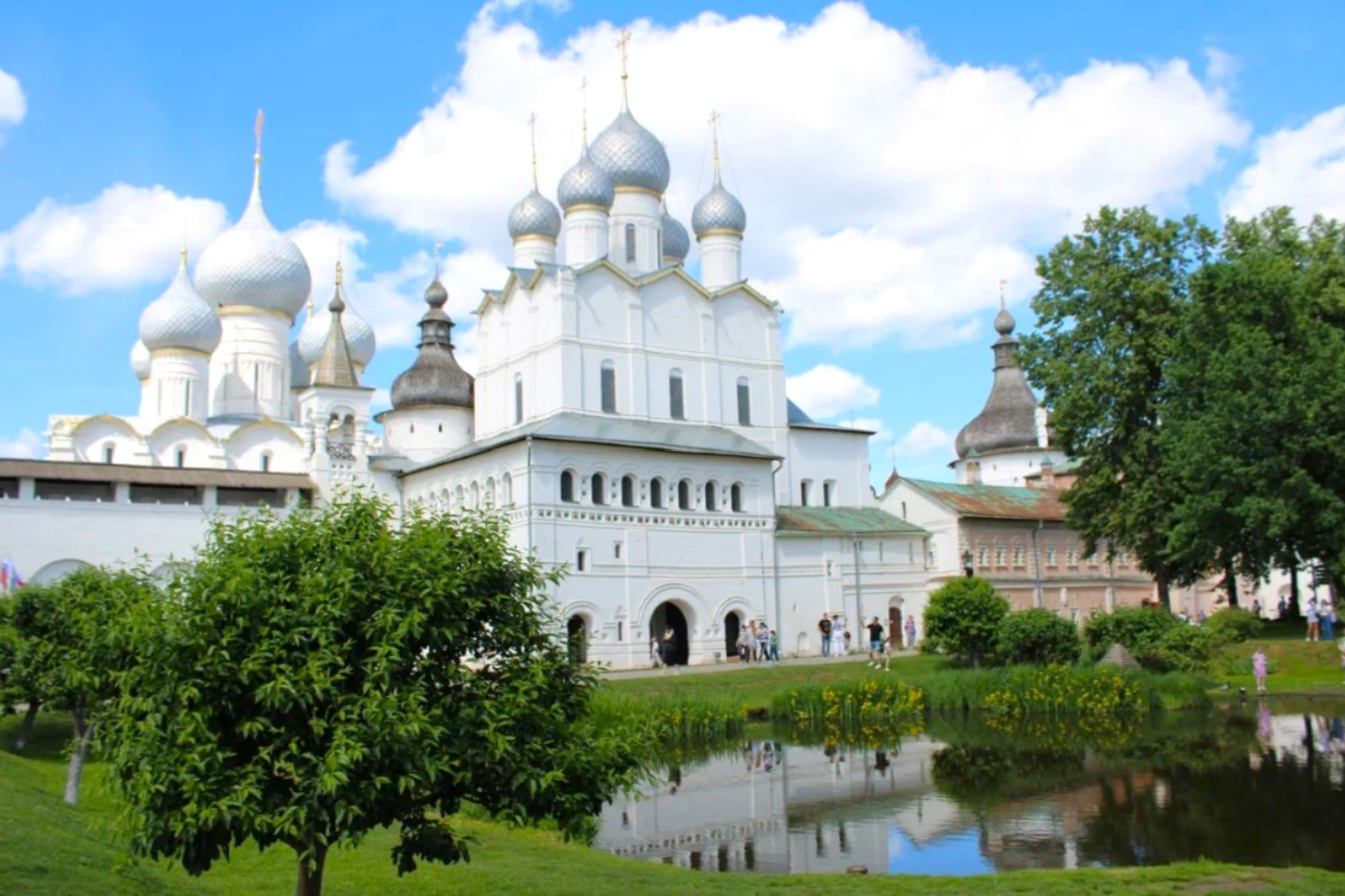
Ростов Великий – один из древнейших городов, первое упоминание о котором встречается в 862 году.
Первое письменное упоминание о Ростове Великом содержится в «Повести временных лет». Изначально территория была населена мерянами и чудскими племенами, затем сюда подтянулись новгородцы, вятичи и кривичи. Постепенно город разрастался, становился перекрестием торговых путей.
Значимость Ростова, как центра славян, начала возрастать в 920-930-е годы вследствие усиленной его колонизации последними. В 989-1010 гг. в Ростове княжил молодой Ярослав Мудрый, впоследствии великий князь киевский.
В 1207 году возникло самостоятельное Ростовское княжество, основанное Константином Всеволодовичем, старшим сыном Всеволода Большое Гнездо. Оно быстро превратилось в один из важных политических центров, с влиянием которого считались в других русских княжествах. В тот период Ростов Великий, один из самых больших городов на северо-востоке, находился в небывалом расцвете, переживая экономический и культурный подъем.
Долгие столетия Ростов оставался значимым религиозным центром страны. Ростовская епархия не ограничивалась пределами только современной Ярославской области. Ростовские архиереи входили в число самых влиятельных церковных владык. В конце XIV столетия они были возведены в cан архиепископов, а затем и митрополитов. Ростовская митрополия была одной из богатейших в России.
В XIX веке в городе появились многочисленные промышленные предприятия, первый городской водопровод, открылись университет и гимназия. Ростовские ярмарки привлекали к себе многочисленных купцов и гостей из других городов, что только способствовало активному расцвету Ростова.
4. Uglich
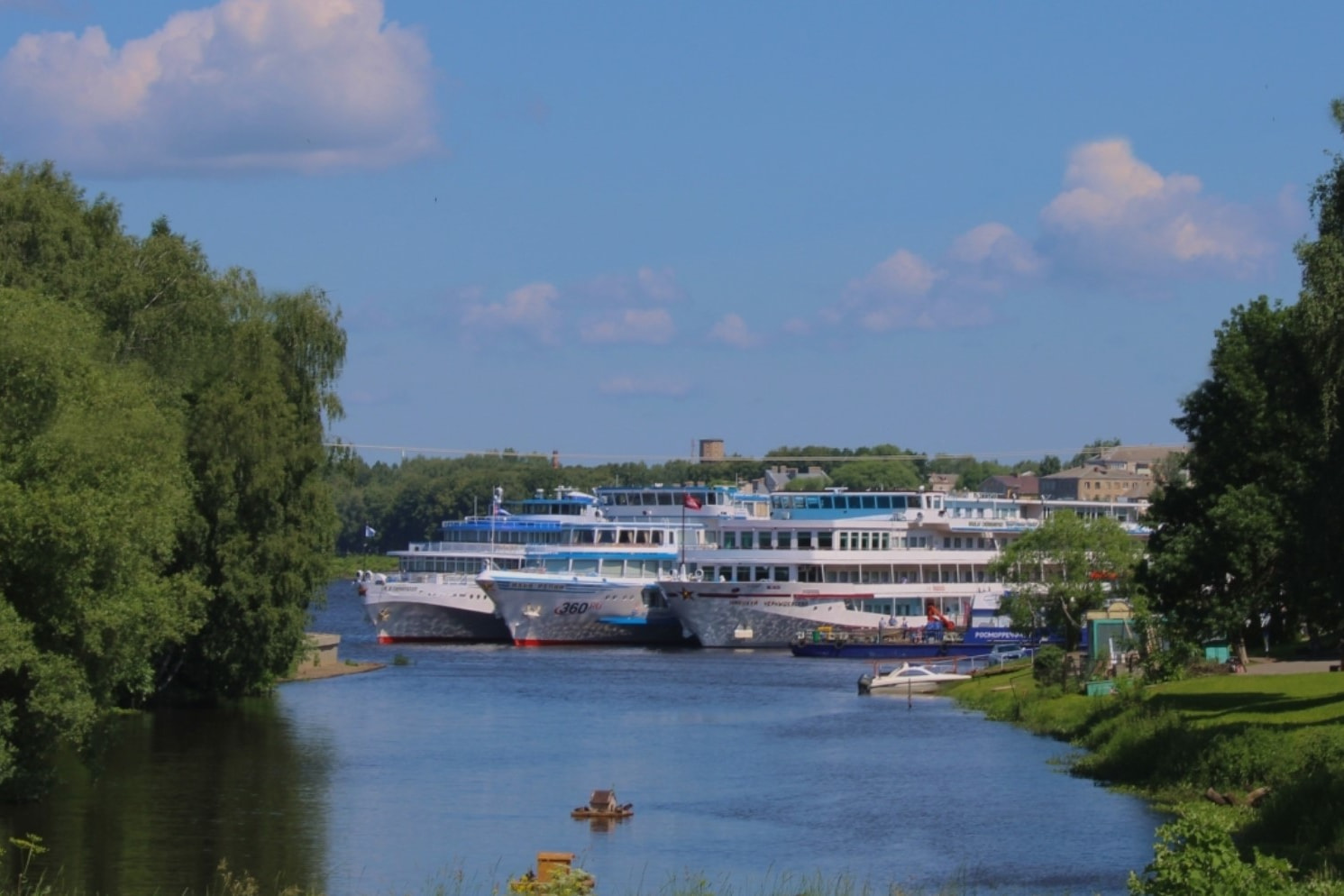
Углич – город на реке времени, которое, на первый взгляд, здесь застыло. «Словно из сказки» – так характеризуют Углич впервые побывавшие здесь туристы. В Угличе сохранилась историческая застройка, позволяющая воспринимать его как единый архитектурный ансамбль.
Здесь особенно остро чувствуется несгибаемый русский дух. Город, словно птица феникс, несколько раз восстанавливался из пепла после полного уничтожения
Ландшафты Углича, открывающиеся с крутого излома Волги, давно полюбились туристам, прибывающим в город на теплоходах.
Углич старше Ярославля, и он не раз оказывался в эпицентре значимых событий русской истории. Об этом сегодня напоминает церковь царевича Димитрия на Крови, и палаты, где жил в ссылке младший сын Ивана Грозного. Освежив в памяти события русской истории, прогуляйтесь по прекрасной набережной, пройдитесь по атмосферным музеям. Спектр их чрезвычайно широк, как и сама русская душа – от музея истории гидроэнергетики, свистульки или галереи кукол до музея «Истории русской водки», музея игральных карт или тюремного искусства.
Освойте велосипед «Паук» в Арсенале необычных велосипедов «Самокатъ», в летнюю пору сплавьтесь на байдарке с инструктором, сходите на мастер-класс к местным умельцам и непременно попробуйте продукцию угличских сыроделов. Уехать из Углича без местного крафтового сыра – непростительно.
5. Myshkin
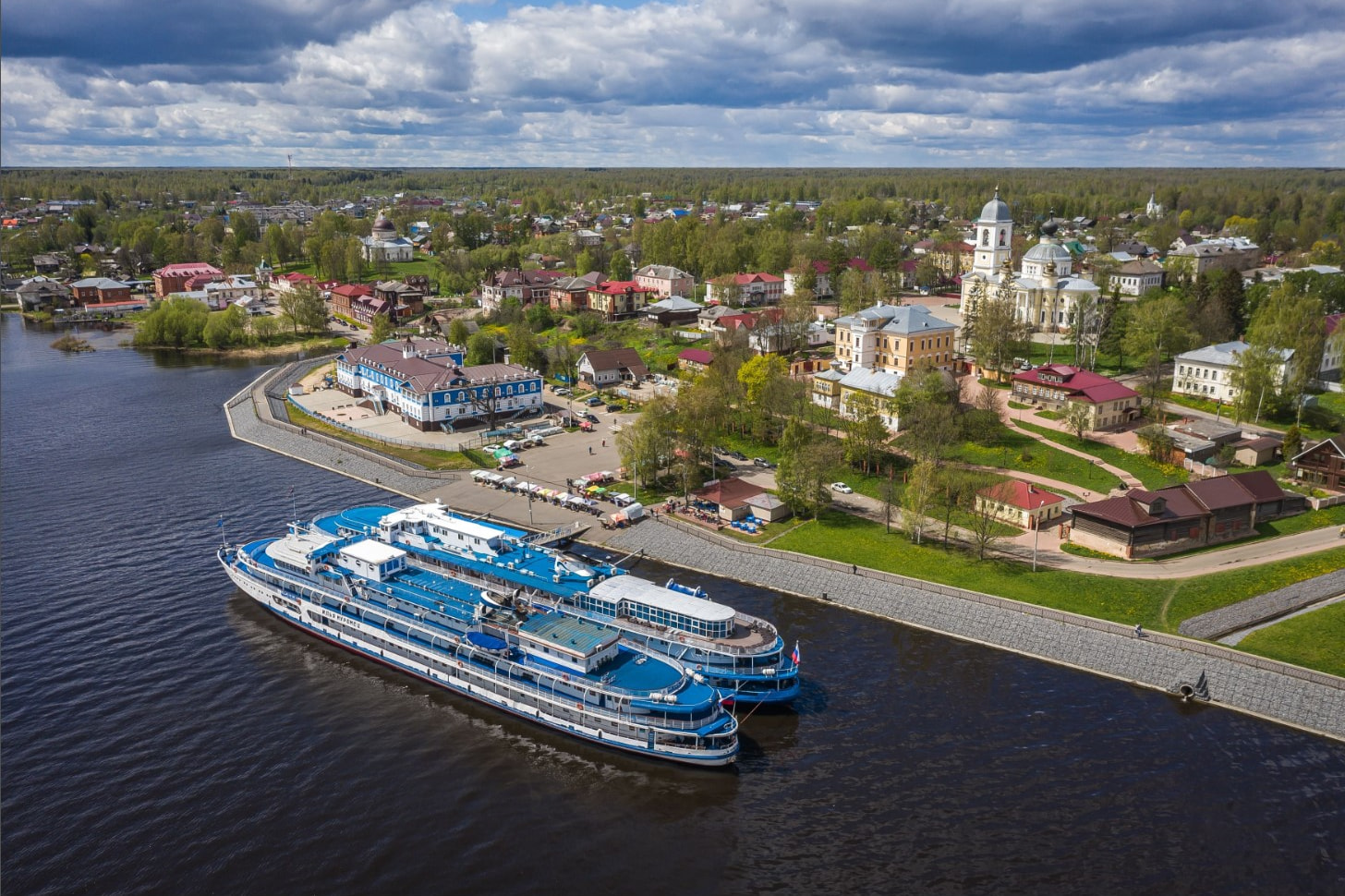
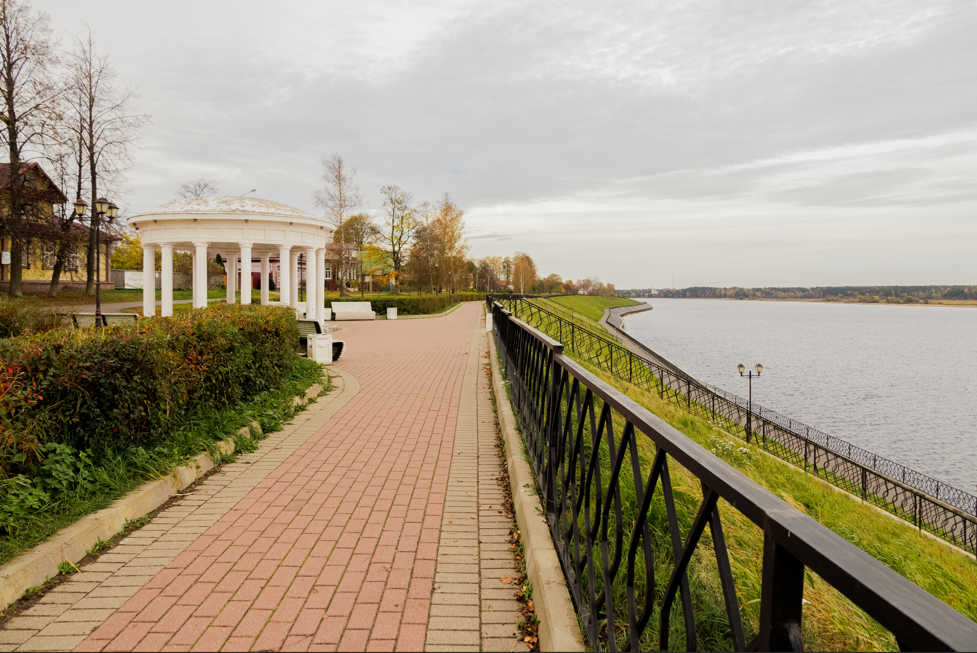
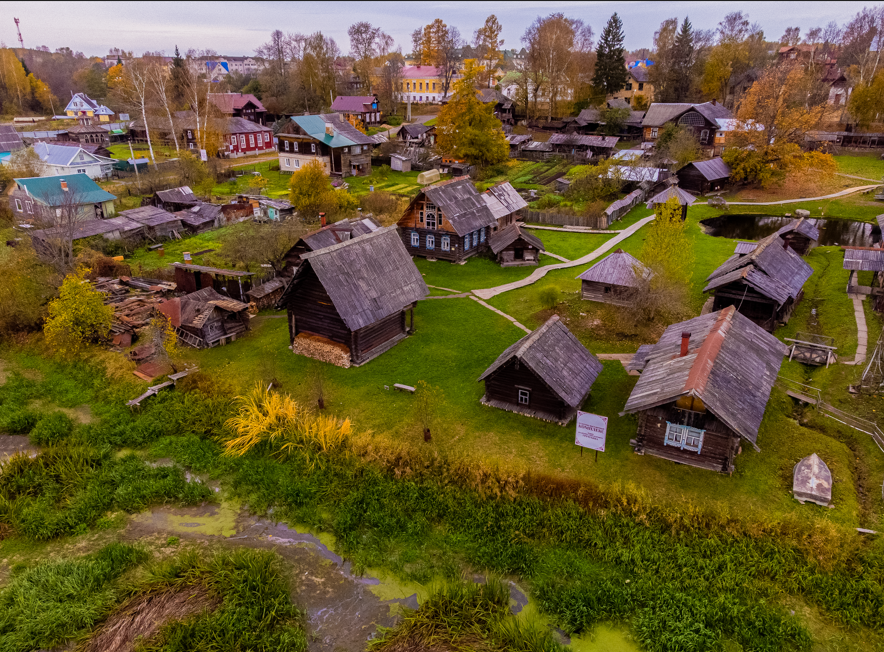
Мышкин – самый маленький город Ярославской области – погружает в атмосферу купеческой провинции начала XIX века. Редкие по живописности виды Волги и Юхоти, протяженная двухъярусная набережная, древние улочки с деревянными домами, украшенными резным кружевом, нестандартные музеи и старинная русская кухня... Мышкин знает, как очаровать гостей!
Здесь время словно бы остановилось. В городе сохранилась не только историческая застройка, но и неспешный ритм провинциальной жизни. В Мышкине нет ни одного светофора, но есть целый квартал музеев и комфортные места отдыха для путешественников.
Мышкин – это
Мышкин, прозванный в свое время маленьким Петербургом, оказался в опале после революции, был разжалован из города в село, чуть не лишился имени, пережил развал и забытье, но сумел возродиться и стать одним из самых притягательных мест для гостей.
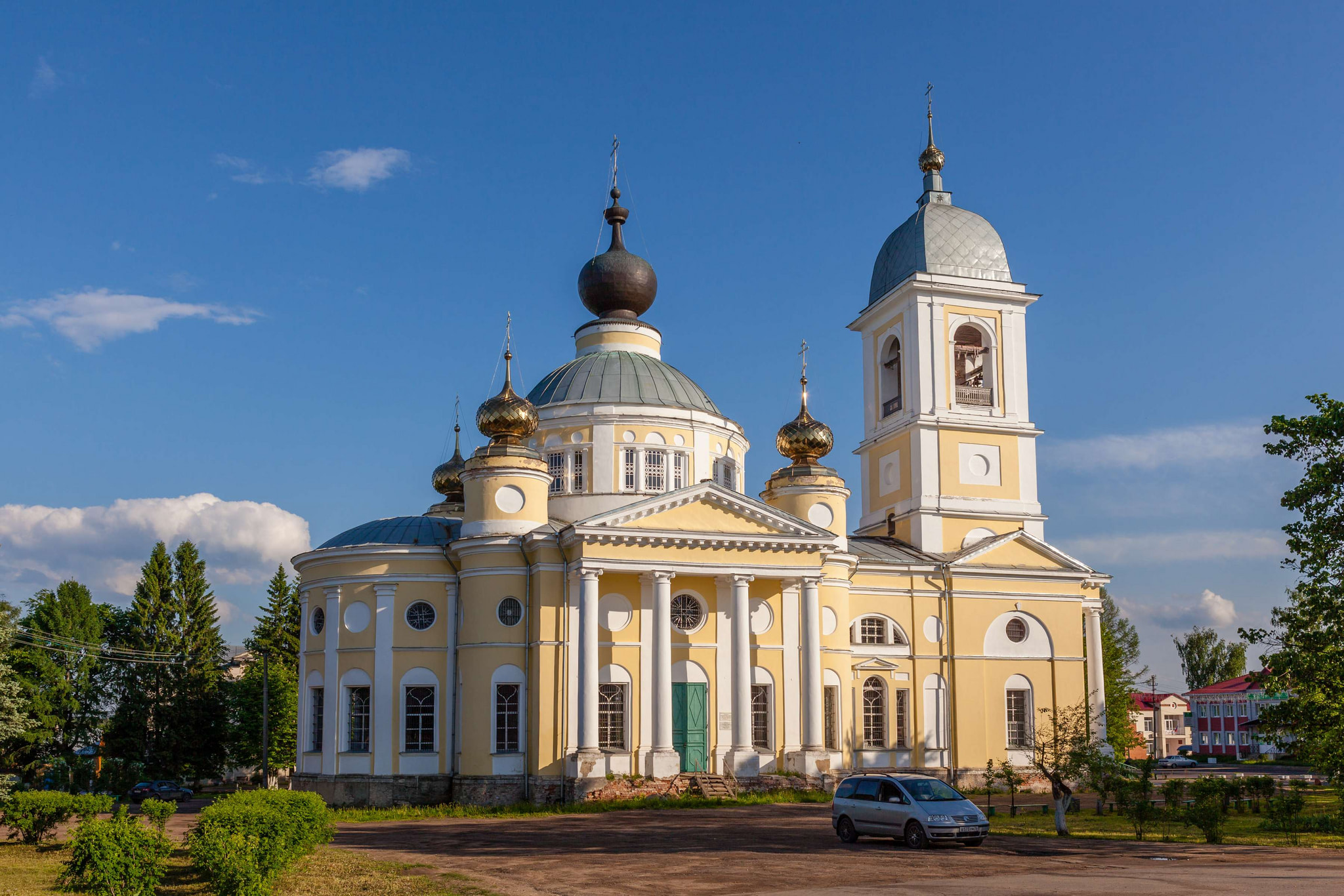
В городе уцелели капитальные каменные дома купцов и дворян. В церкви Николая Чудотворца XVIII века сохранился барочный иконостас с несколькими старинными иконами. Величественный Успенский собор, построенный на пожертвования горожан в начале XIX века по проекту Иоганеса Манфрини, и сегодня остается архитектурной доминантой города.
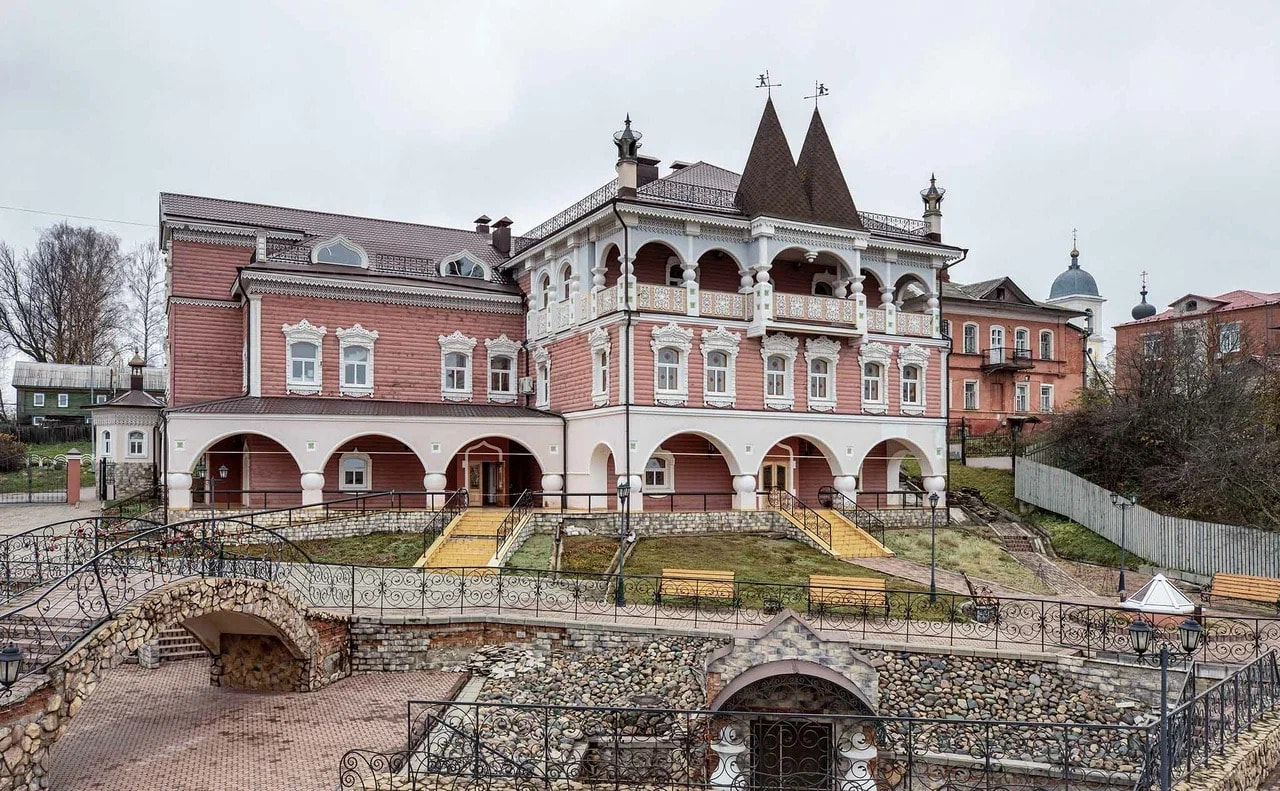
А главная фишка Мышкина – это его многочисленные музеи.