Obnora – 2 Ecological Trail

The Obnora-2 ecological trail is located on the banks of the Obnora River, within the city limits. The trail is accessible to the public at any time of the year. The entire trail can be completed within a few hours. The length of the trail is 2.5 km.
waypoints
1. Bogatyr Valley
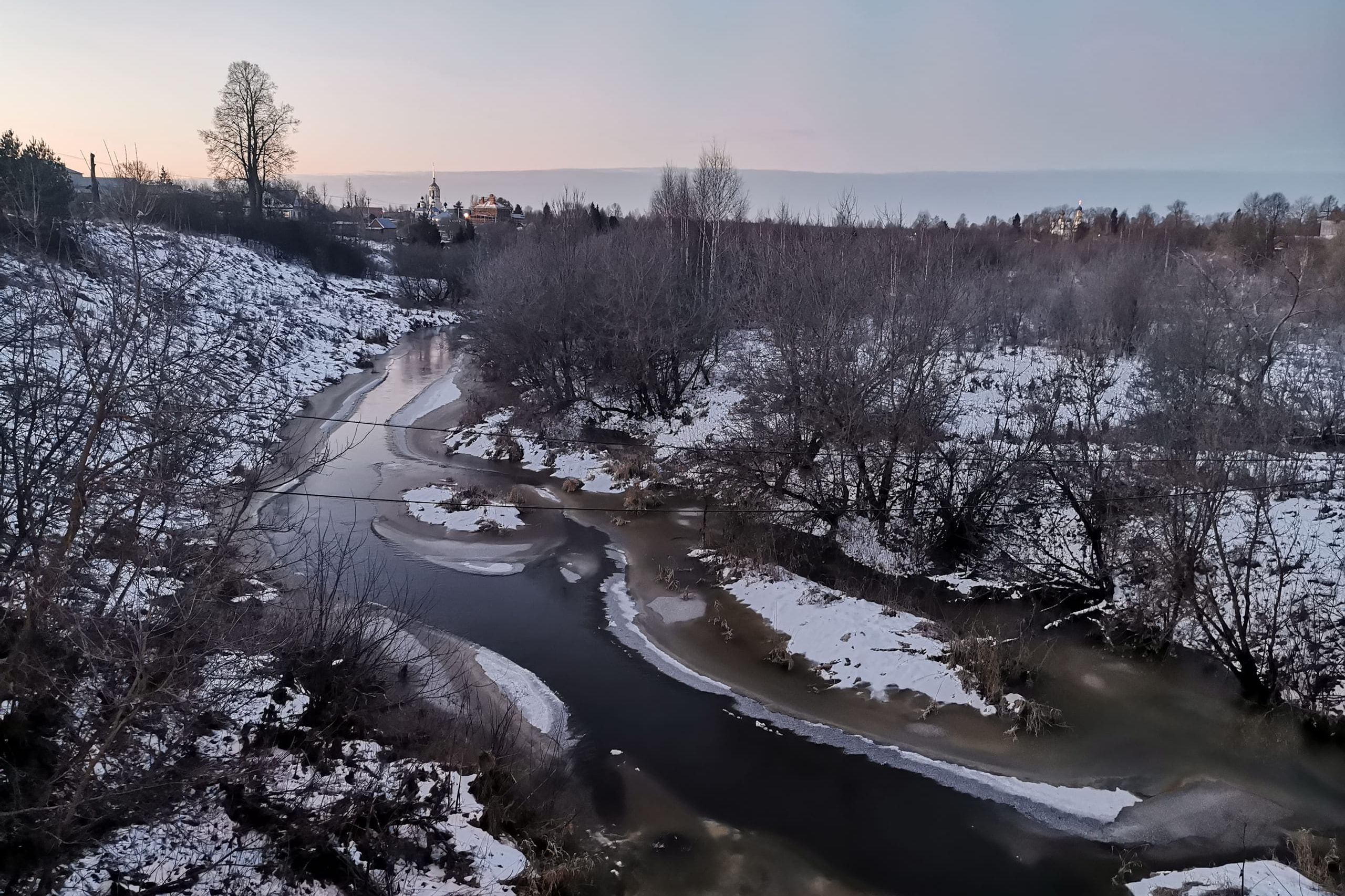


In 1560, according to legend, Wilhelm von Furstenberg, the master of the Livonian Order, was buried somewhere in the valley. The destinies of Europe and Russia intertwined in that era: during the reign of Ivan the Terrible, there was a war with the Livonian Order. During one of the battles, Andrei Kurbsky took the Fellin fortress, and among the captured was the master of the Livonian Order von Furstenberg himself – so he ended up in the Russian borders, where his life ended.
2. City Park
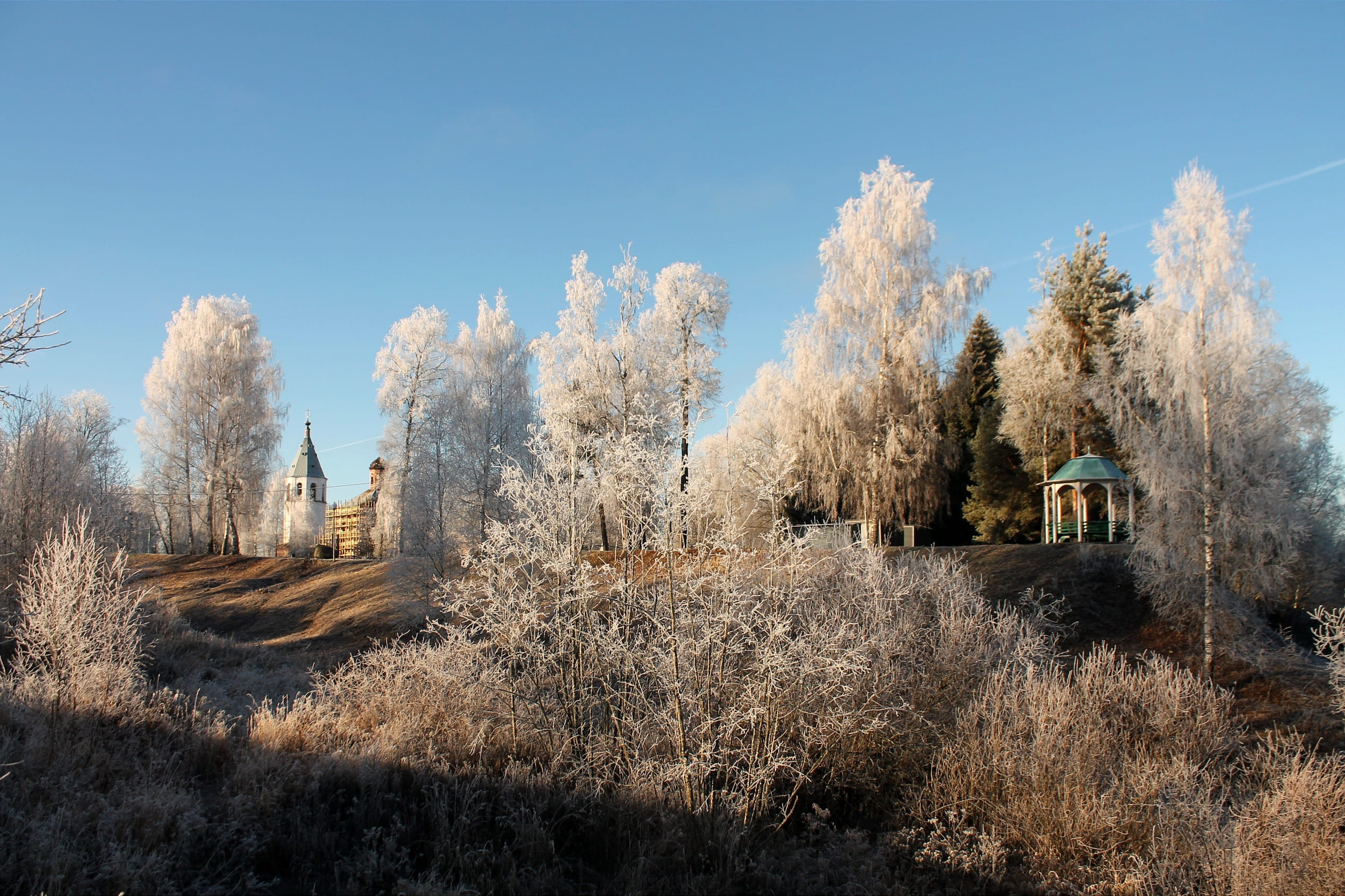
Lyubim Fortress was built in 1538 to protect against Mongol-Tatar raids by order of Grand Duke Ivan Vasilyevich at the confluence of the Obnora and Uchi rivers. It was surrounded by water on all sides, and it was possible to get into it via swing bridges, which were easily removed when attacked.
On the territory of the park there is a temple complex, including the Epiphany and Holy Cross Cathedrals, a free-standing bell tower, as well as the House of the Clergy (the house of spiritual administration). According to legend, the first wooden temples of Lyubim were built on the site of the cathedral complex in 1538. Stone buildings appeared here only in the middle of the XVIII century.
At the moment, the remains of a moat can be seen in the park from two sides, which is quite deep on the southeastern side. The park consists of 4 main alleys: linden, birch, pine and poplar.
3. Church of the Nativity of the Forerunner and Baptist of the Lord John
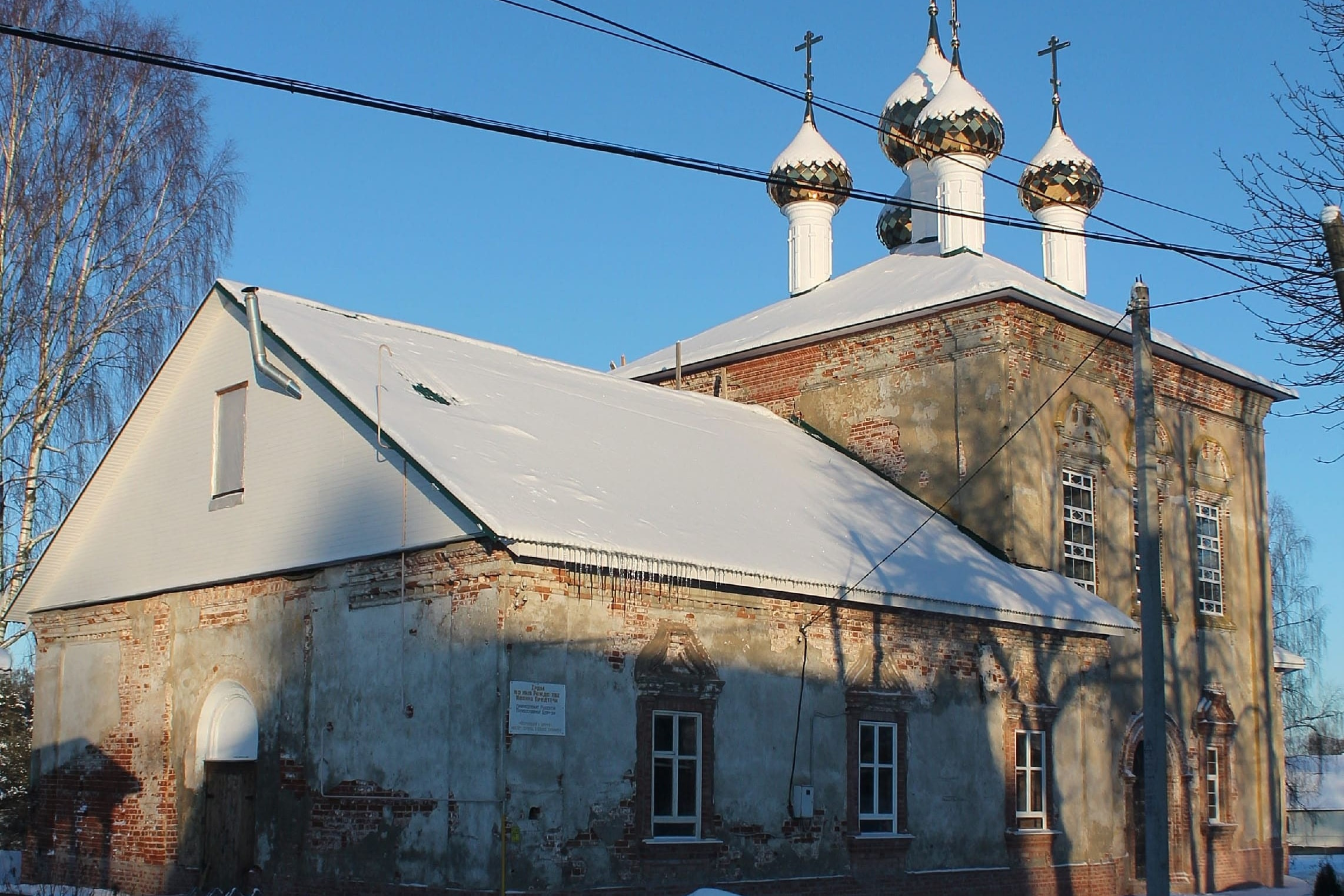
The Church of the Nativity of the Prophet, Forerunner and Baptist of the Lord John (John the Baptist Church) is a parish church built in 1769 at the expense of parishioners. There are three thrones: in the summer church there is a throne in the name of the Nativity of John the Baptist, in the winter there are two: St. Nicholas and the Wonderworker and St. Gennady of Lyubimograd.
Unfortunately, in the twentieth century, the temple suffered the fate of many other Orthodox churches in Russia, it was closed and was not used for its intended purpose for a long time. But since 2012, renovation work has begun, and worship services have resumed. On September 30, 2025, crosses on the dome and domes were consecrated and installed on the temple.
4. Pine grove
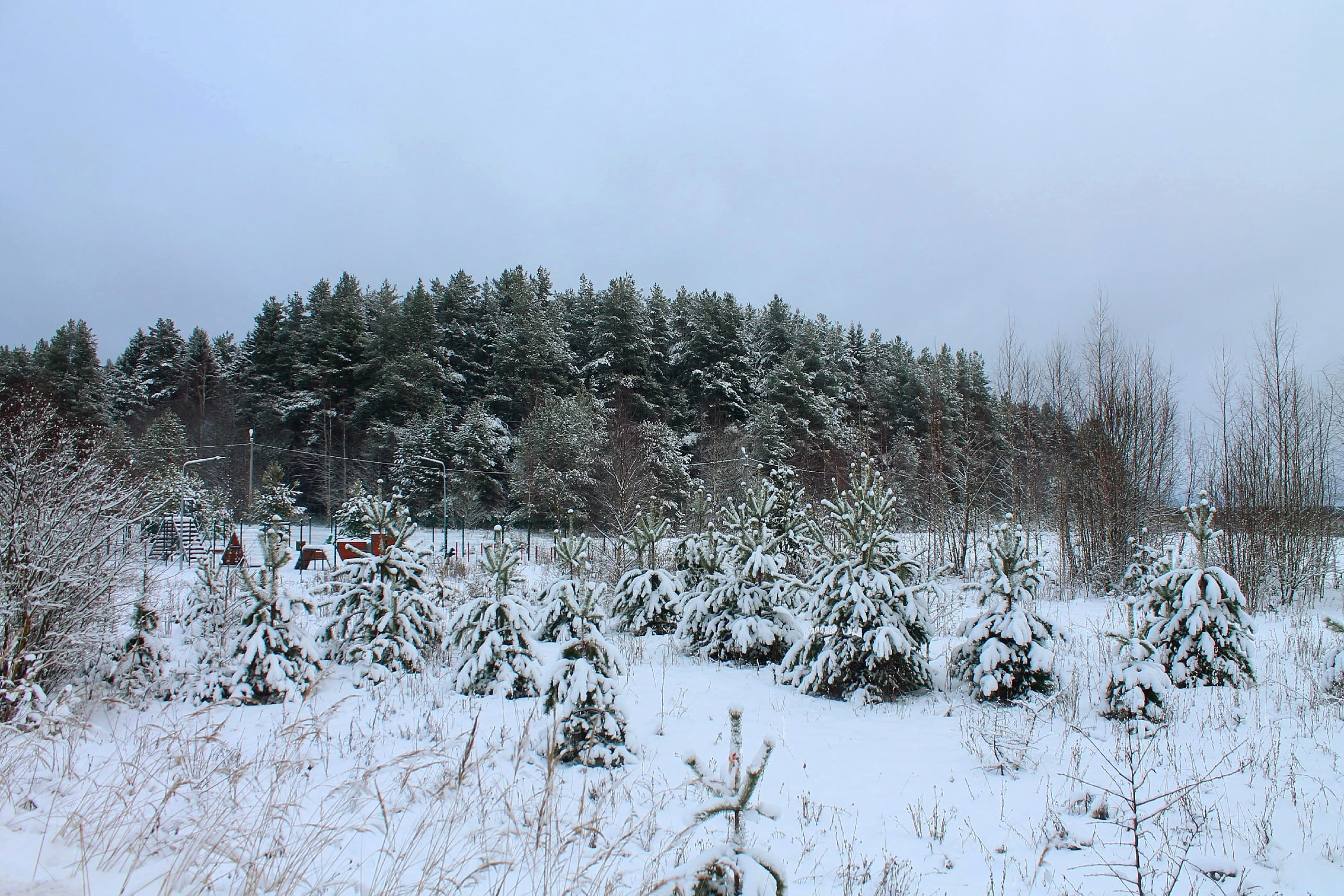
The pine grove is a state natural monument in the village of Otradny. The grove stretches along the banks of the Obnora River, beckoning guests with shady trails and clean coniferous air.
Here, among the ancient trees, you can:
• enjoy a walk on a soft carpet of pine needles;
• Inhale the healing aroma of Scots pine, European and Siberian spruce;
• Take stunning photos against the backdrop of majestic coniferous giants.
This place is ideal for a secluded walk away from the hustle and bustle of the city.