"Медвежья тропа" в Мышкине

Маршрут будет начинаться от стен дома купцов Столбовых, где расположен туристско-информационный центр г. Мышкина. Проедет мимо главных достопримечательностей и закончится на площади Никольского собора
waypoints
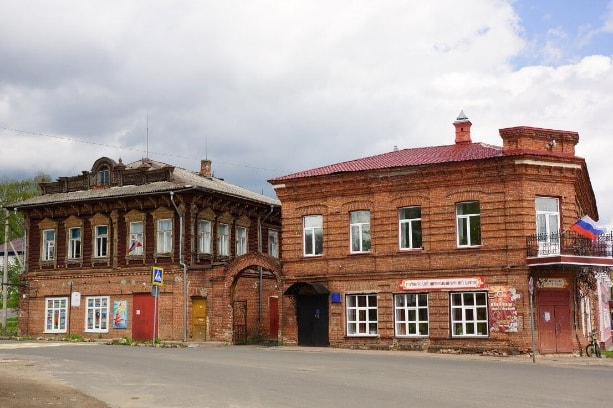
1. Stolbov Merchants' House

 00:37Audio guide: 1
Дом купцов Столбовых – образчик купеческой предприимчивости и хитрости: купец Иван Степанович Столбов «выклянчил» у городской Думы продать ему маленький кусочек земли меж берегом Волги и Никольским ручьём. А как только землицей этой завладел, тотчас нанял бригаду землекопов и отвёл русло ручья в сторону, построил особняк, состоящий из двух домов и будто бы дома эти соединялись подземным переходом.
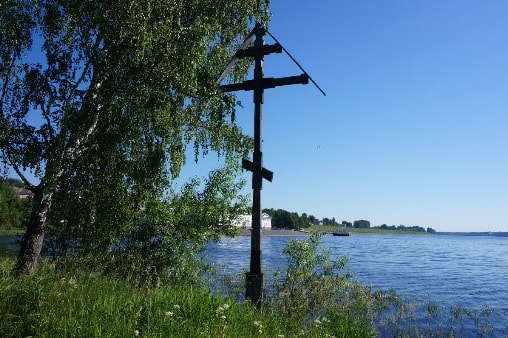
2. Memorial cross-the place of the founding of the city of Myshkin
 00:36Audio guide: 2
Памятный крест – «колыбель Мышкина» возведен у самой кромки воды на мысу. Крест сей памятным зовётся и установлен он на месте первого древнего поселения. Понимаете, к чему речь-то ведётся?? Мыши здесь, возможно, не при чём!!! Раз впервые люди здесь поселились на Мысу, то и назвать местечко могли бы МыСкин!
3. Monument to women home front workers during the Great Patriotic War
 00:38Audio guide: Памятник женщине-труженице тыла
В Мышкине в годы Великой Отечественной войны было 3 предприятия стратегического значения: артель «Ударник», артель «Путь к Победе», артель «3-я пятилетка». На них круглосуточно трудились женщины и дети. Тысячи пар валенок, маскировочных халатов, парашютов, гимнастерок, сумок для ручных гранат, телогреек уходили на фронт, сделанные с любовью и душевным теплом мышкинских женщин.
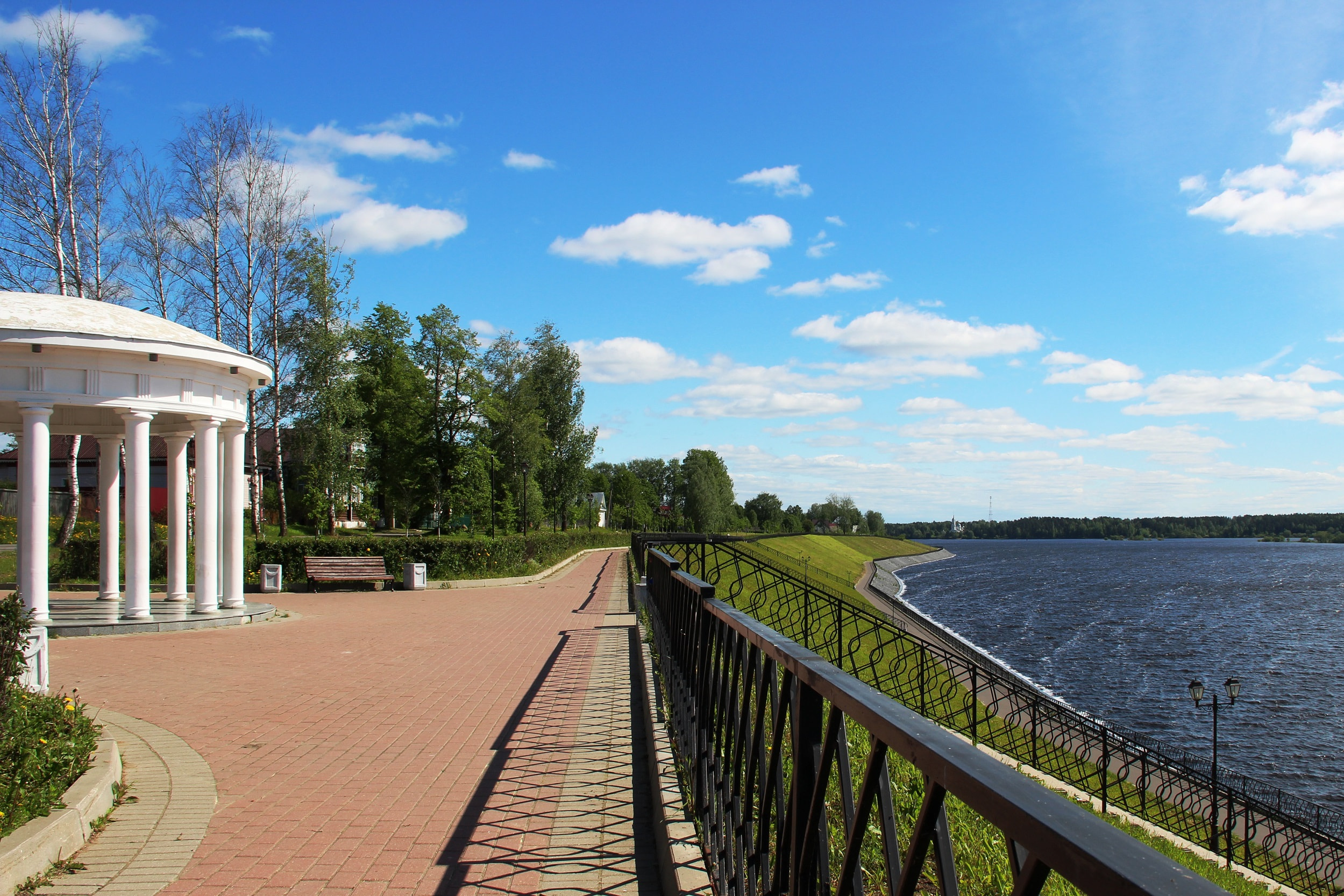
4. Волжская набережная
 00:46Audio guide: Набережная
Хотя в это и трудно поверить, но мышкинцы знакомы с «самолётами» уже более 300 лет. Слово самолёт зародилось на Неве в Санкт-Петербурге ещё во времена государя Петра Великого. «Самолётом» называли переправу с одного берега на другой. Прижилось это слово и у нас на Волге. Все переправы через Волгу называли «самолётами». И первое пассажирское общество на Волге 170 лет тому назад Самолётом нарекалось. Теперича вы знаете, что слово это появилось на воде и лишь позднее «взмыло» в небо.
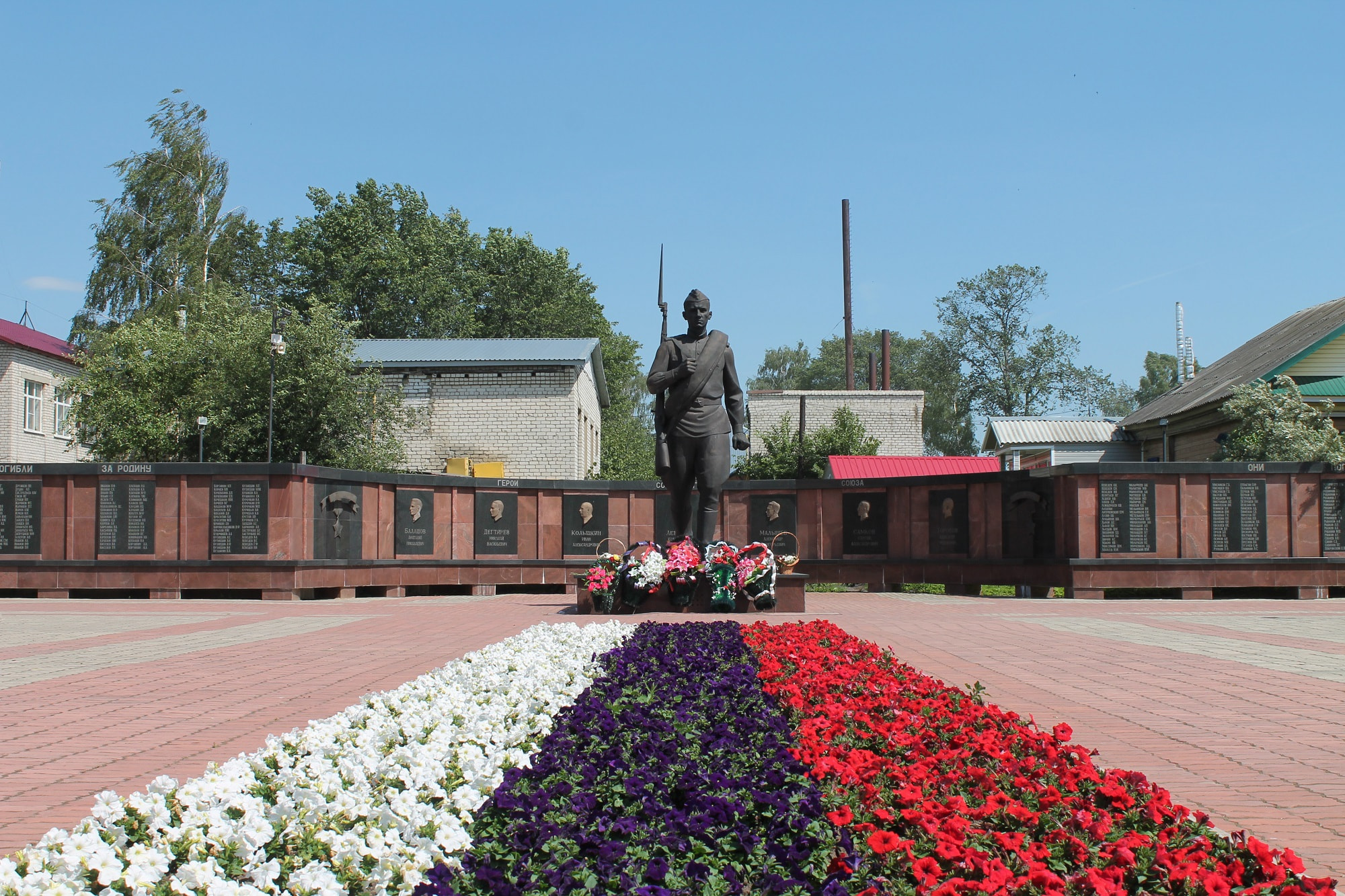
5. Victory Memorial
 00:50Audio guide: 6
Мемориал Победы, воздвигнутый в память о героях-земляках, погибших за Родину в годы Великой Отечественной войны, уникален и по своему идейному замыслу, и по своему художественному исполнению, и по своей масштабности: 40 подлинных писем с фронта солдата, погибшего под Сталинградом, семь мышкинцев, получивших высокое звание Героя Советского союза, книга Памяти «Они погибли за Родину». И, конечно, завершает композицию величественная фигура солдата, которого мышкинцы ласково называют Алеша.
6. Museum of "Living" Crafts
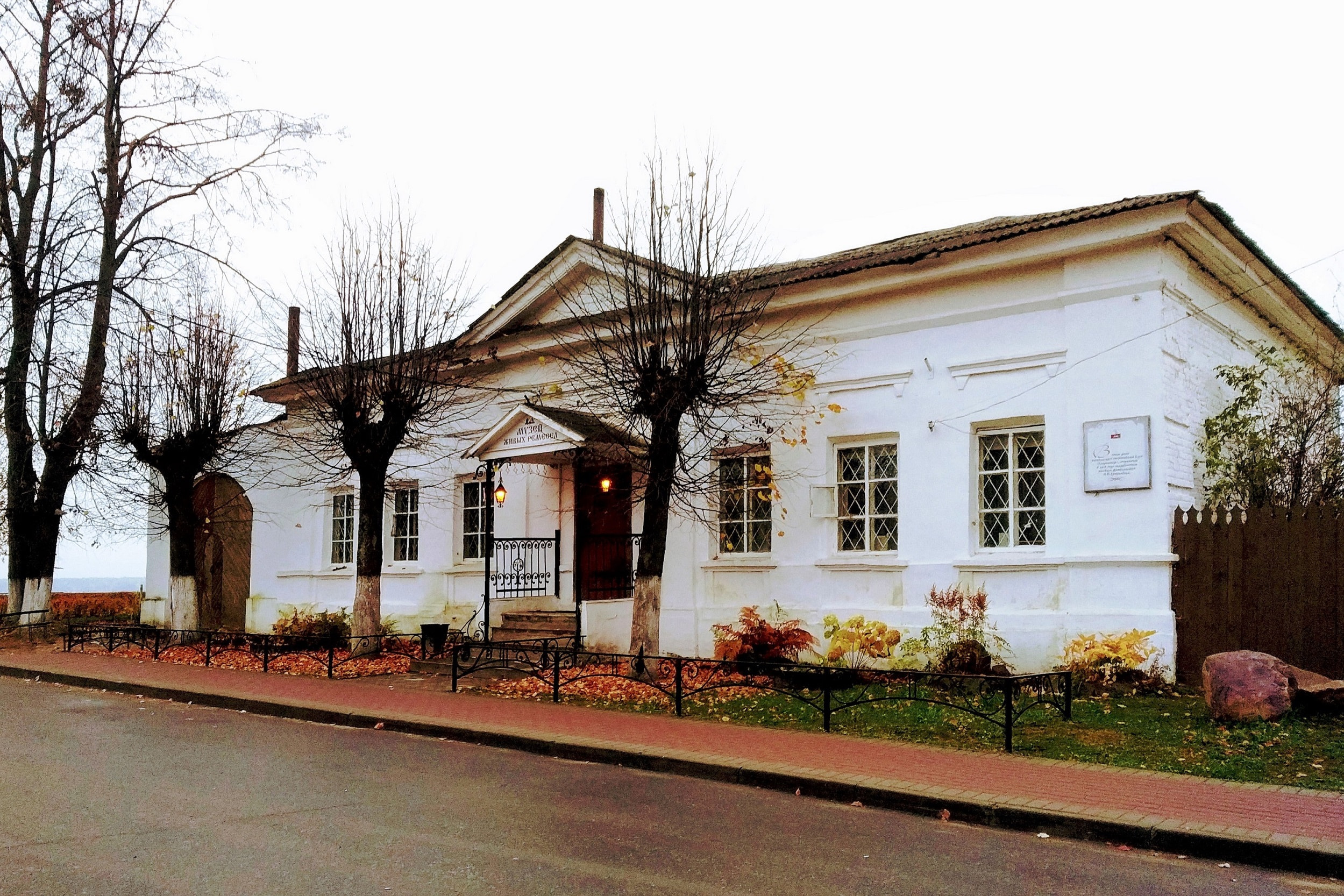 00:38Audio guide: 7
В этом здании более 100 лет назад размещался один из первых в России спортивных клубов - «Гладиатор», основателями которого были известные футболисты «Зенита» братья Павел и Михаил Бутусовы, наши земляки. А вместе с ними в футбольной команде города играл (как вы думаете, кто?!) - известный писатель Виталий Бианки! А теперь у здания «новая» жизнь – здесь творят народные умельцы: гончары да кузнецы.
7. Estate of the merchant T.V. Chistov
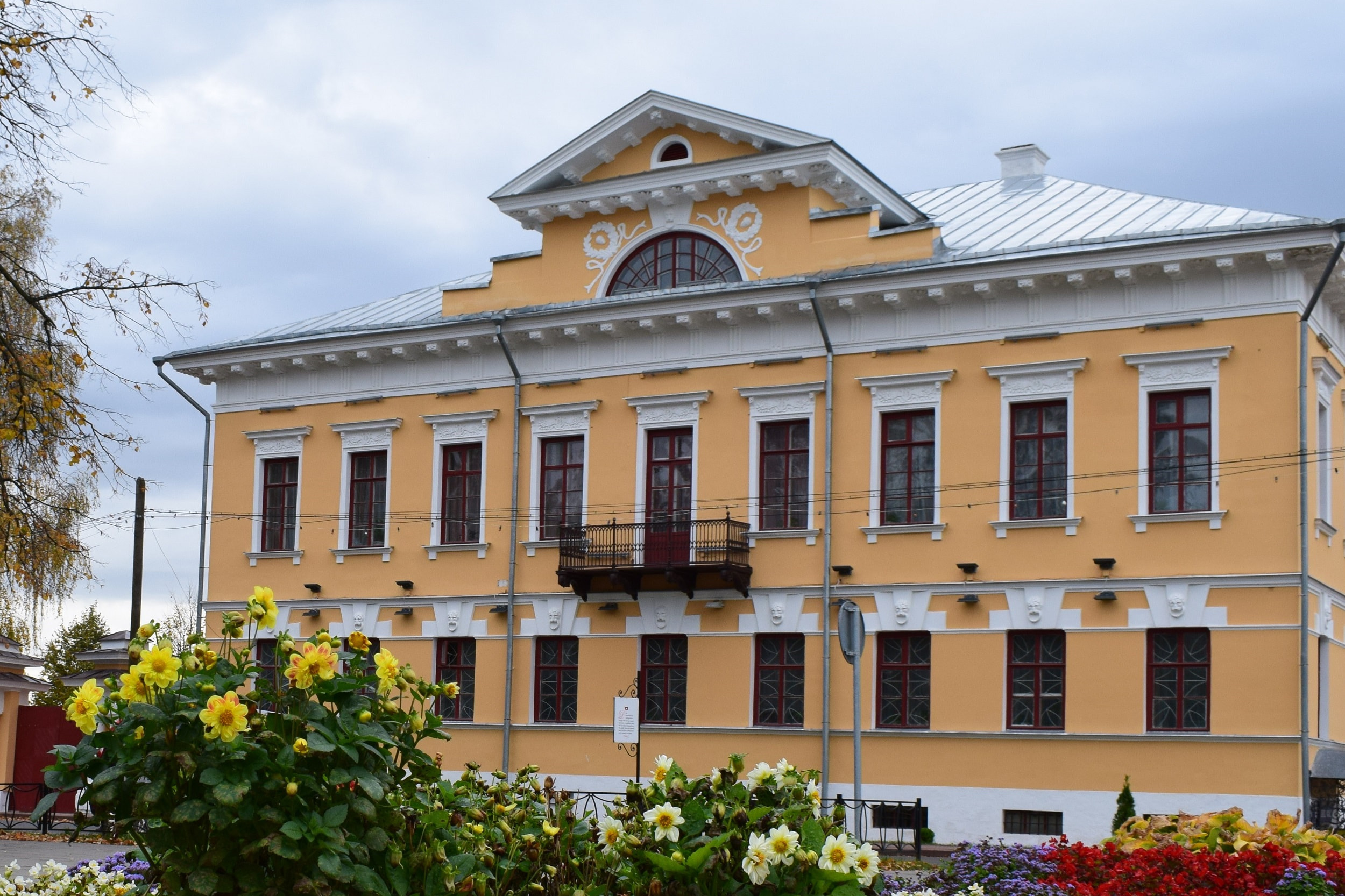 01:10Audio guide: Усадьба Т.В. Чистова
Благодаря хозяину этой усадьбы, купцу-миллионеру Тимофею Чистову, имя Мышкина и сейчас звучит на святой горе Афон в Греции. И вот почему.
В середине 19 века свирепствовала в Ярославской губернии эпидемия холеры. Дабы спастись от напасти ярославские купцы, а в их числе и Чистов Т.В., обратились к монахам Ксенофонтова монастыря на горе Афон с просьбой молиться о спасении жителей Ярославской губернии. Видимо, молитвы эти были услышаны и эпидемия отступила, а Мышкинский уезд и вовсе не пострадал.
В благодарность купец Чистов отлил на свои деньги колокол весом 50 пудов и подарил его монастырю на горе Афон. Колокол этот и сегодня звучит в церкви Святого Георгия Победоносца в Ксенофонтовом монастыре на Афоне.
8. Успенский собор
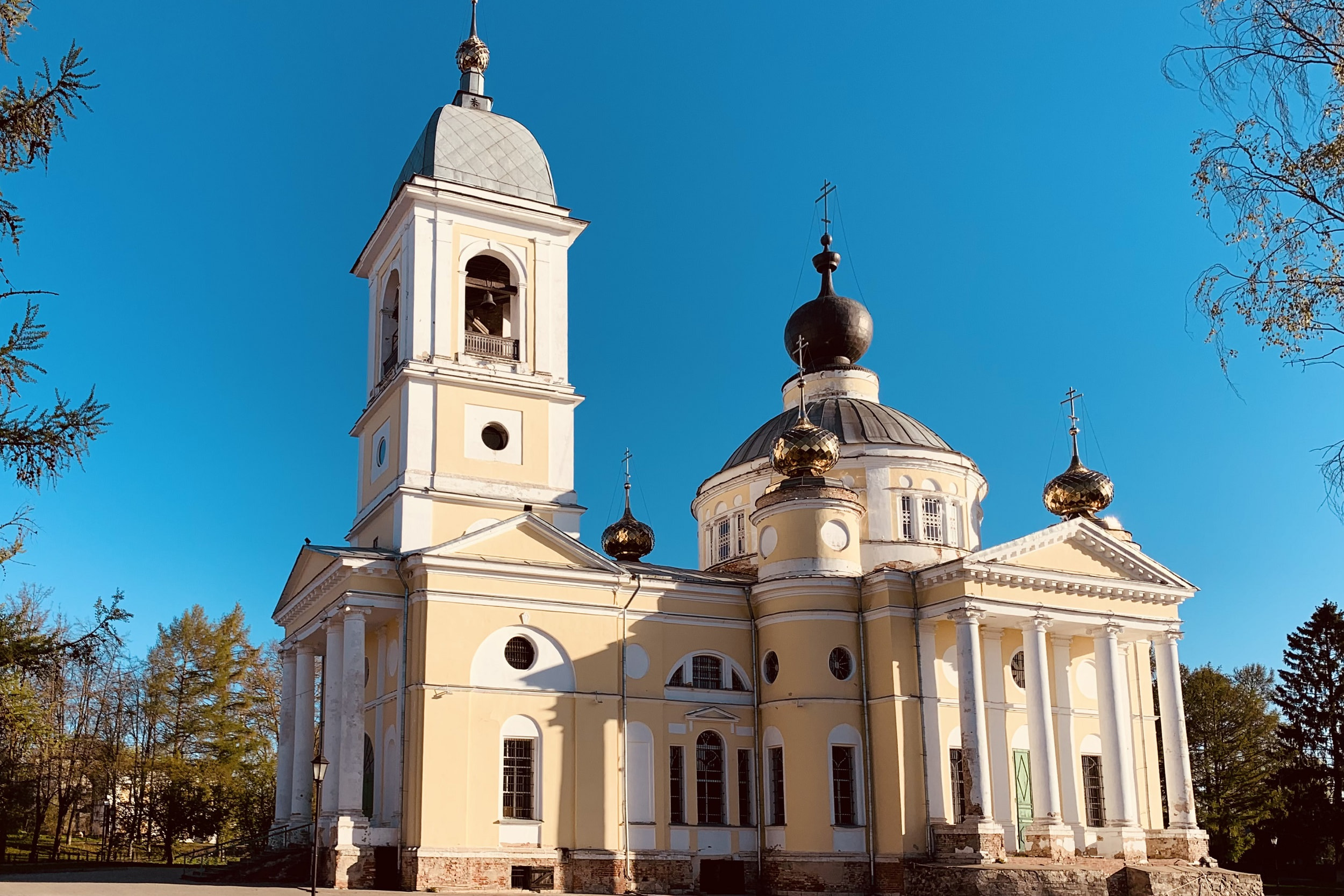 00:50Audio guide: Успенский собор
3-D изображение (ставшее привычным в современной жизни) появилось еще в раннем Средневековье и использовалось нашими мастерами. И называлась она гризайль. Так, художник Тимофей Медведев, расписывая Успенский собор в Мышкине, использовал такую технику объёмного письма. На стенах внутри храма опытной рукой крепостного художника прорисованы колонны, карнизы, балконы, при осмотре которых складывается впечатление объемного рисунка, подчеркивающее величие Собора.
9. ТОК "Мышкины палаты"
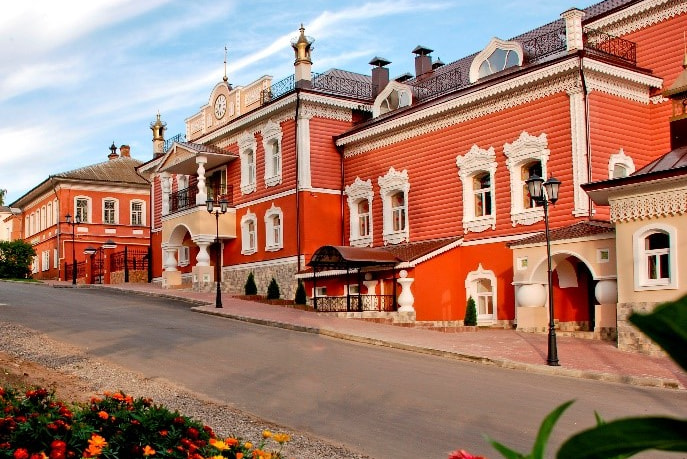 00:40Audio guide: Мышкины палаты
На земле Ярославской стоит самый что ни на есть Мышиный Царь-град! А Мышиный, потому что в Мышкине! Здесь вы попадете на прием к Мышиному царю, побываете во Всемирном центре управления делами Мышей, посетите придворный театр и живой зверинец.
Держите курс на "Мышкины палаты". Обещаю, будет почётно, интересно, волнительно, мимимишно и ВКУУУУСНО!
10. St. Nicholas Cathedral
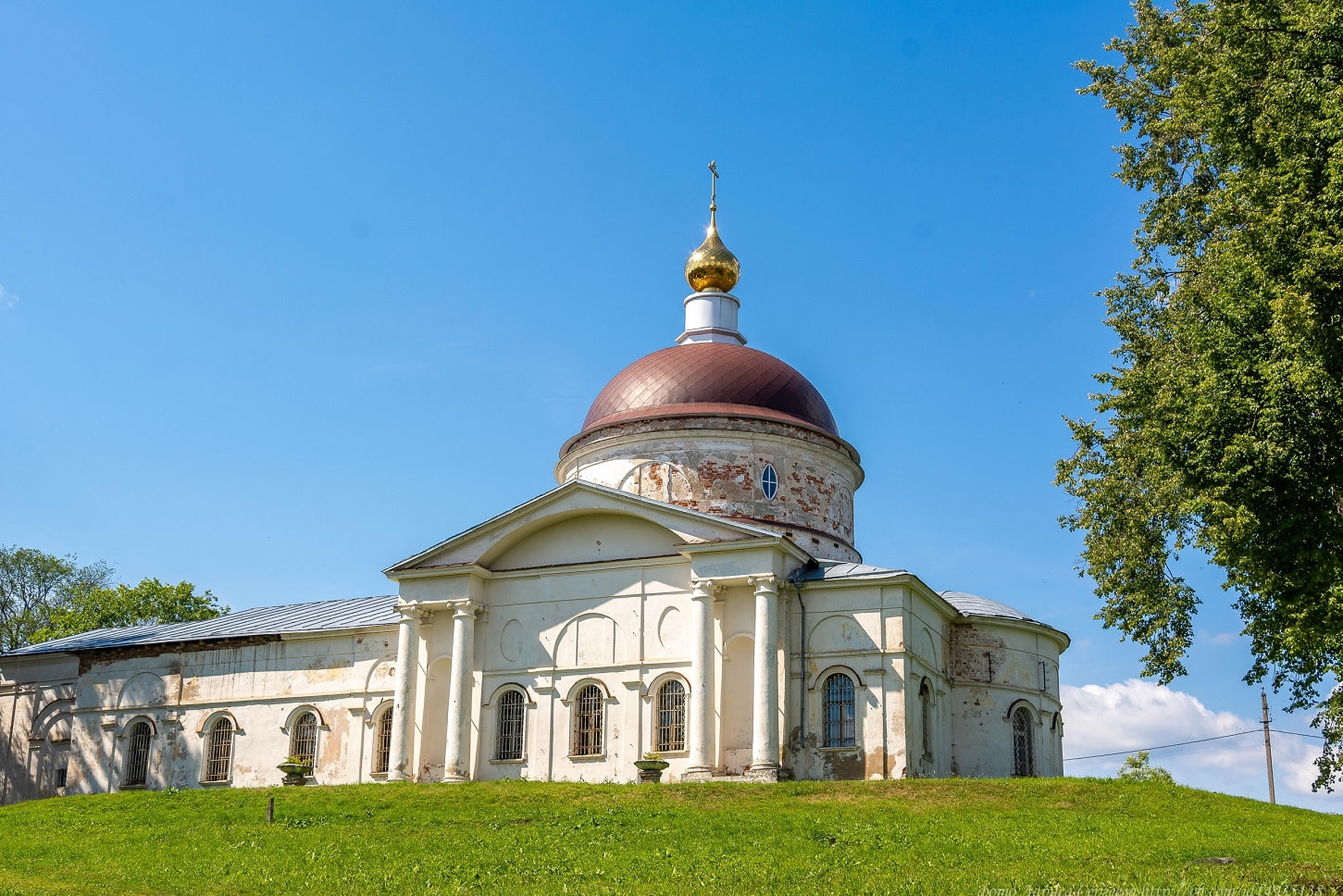 00:36Audio guide: Никольский собор
В самом старом каменном соборе в Мышкине более 250 лет назад были свои «теплые полы и теплые стены». Умельцами и мастерами того времени в подвалах храма были сложены огромные калорифельные печи, из которых теплый воздух по глиняным трубкам поступал в собор. Эти подвалы и сейчас можно посетить и услышать множество интересных историй об их тайнах