A walk through merchant's landing

In the Nekrasov Museum of Local Lore, guests will get acquainted with the history of Bolshye Soli Posad, the largest center of salt production in Russia, and heard about the role of its outstanding personalities.
Stroll through the historical streets, with the opportunity to visit the 17th-century Church of the Nativity of the Virgin with preserved magnificent frescoes and a carved iconostasis.
Next, part of the walk will be a trip to the blacksmith, a talented master of decorative and applied arts Andrei Igorevich Prokofiev, who will introduce his amazing creativity, work with wood and metal. After a small mini-tour of the house and territory, a master class in blacksmithing is held for guests on request.
waypoints
1. Nekrasovsky Regional Museum of Local Lore
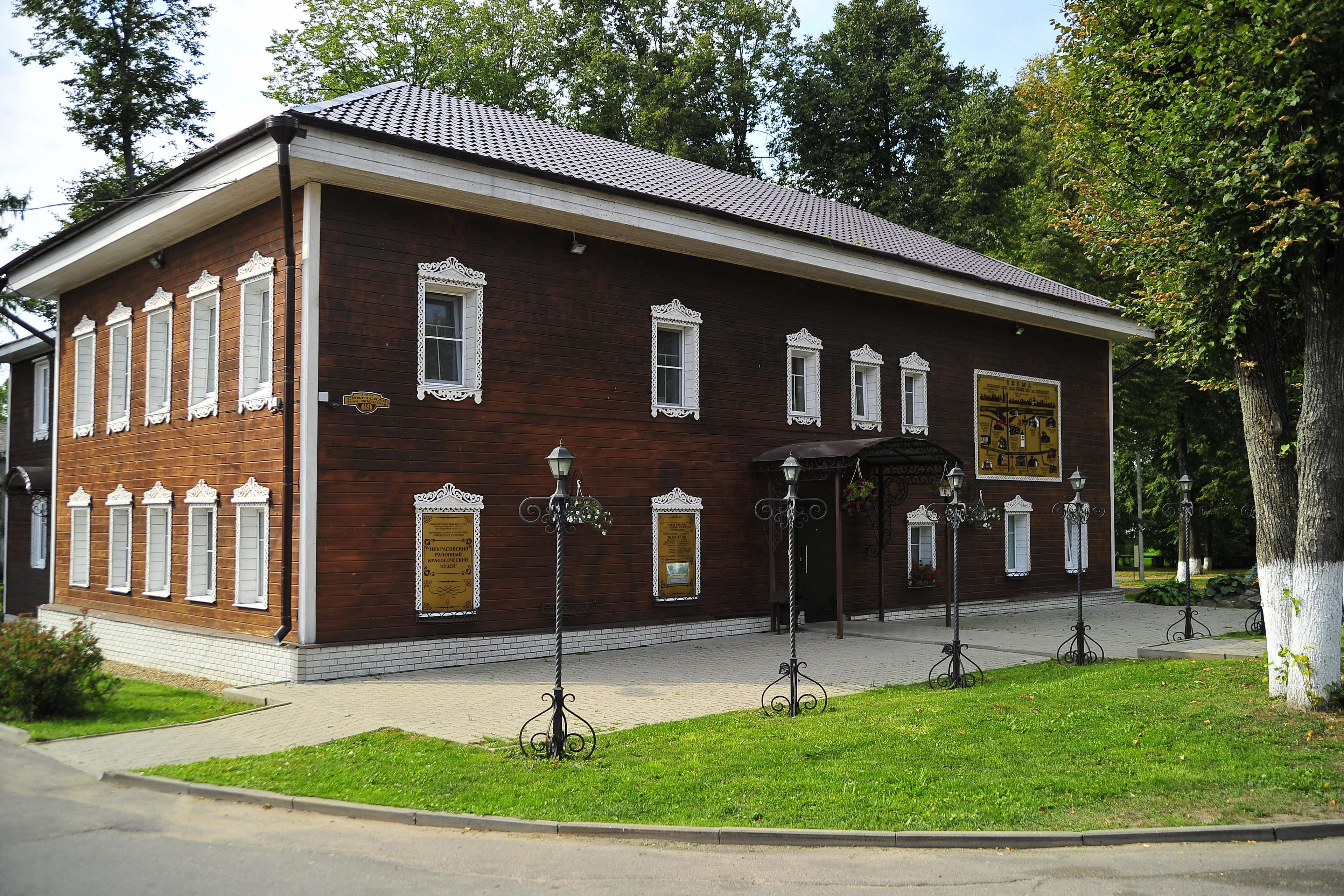


A two-storey wooden house has been standing in the very center of the village of Nekrasovskoye, in its historical part for more than a century. Initially, a merchant family lived in this house, and when the merchant class sank into oblivion, various organizations and institutions were located here. And so it went on for several decades. Since April 2002, a new life has begun for this house, the Nekrasovsky Regional Museum of Local Lore was opened here. Museum expositions are located in the former living rooms of the merchant's house: "Salt the Great", "Peasant life", "Tea room", "Golden Living Room" – all these halls are included in a single composition and tour. The museum hosts a number of interactive programs: – "We treat you to Russian tea", "It's bad for someone who has an empty house", "Madame Maslenitsa", "Living Antiquity", "The Road to the Temple" and much more. Various exhibitions are regularly opened in the museum's exhibition halls.
2. Church of the Nativity of the Blessed Virgin Mary (1700)
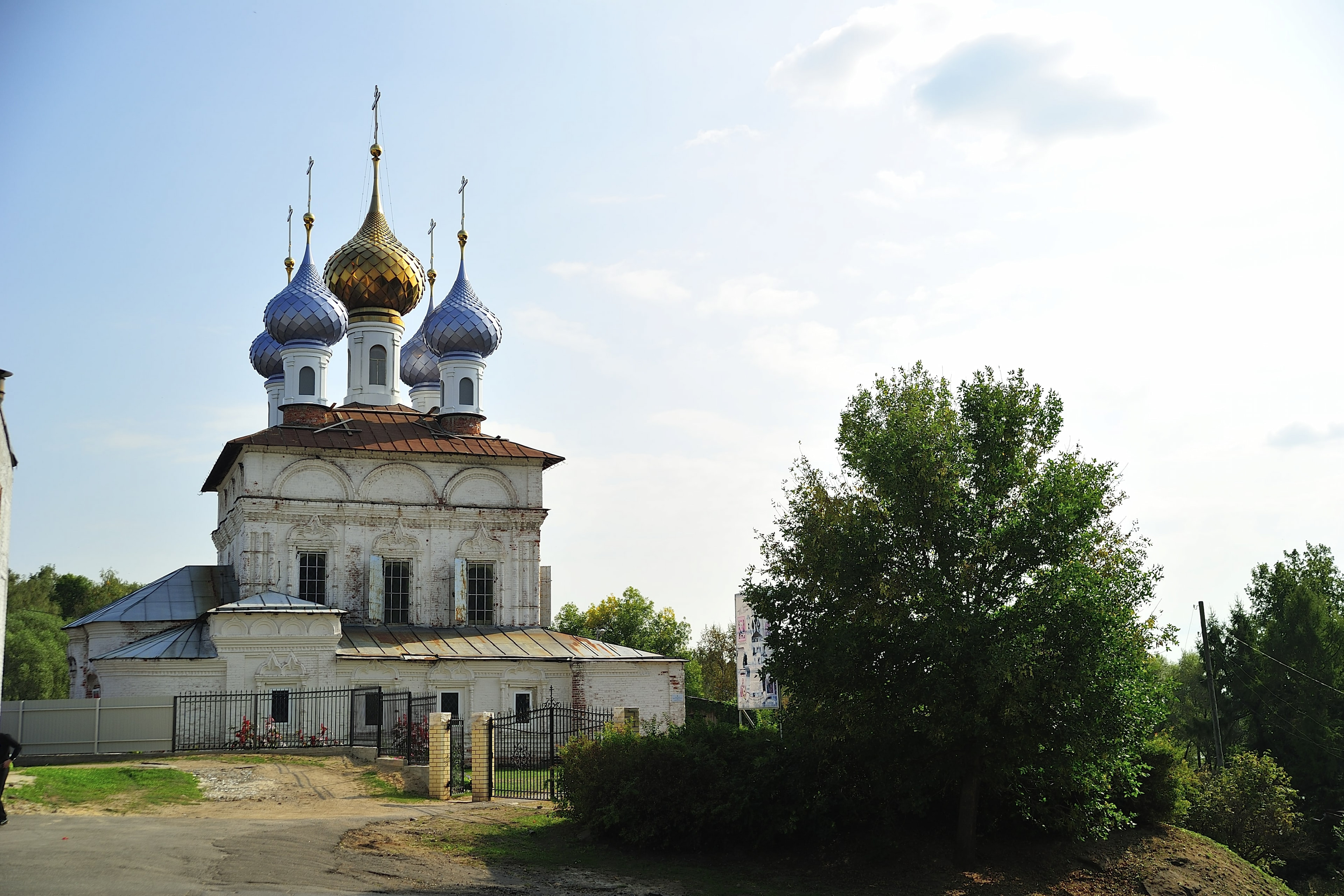
It was built at the end of the XVII century at the expense of merchant Simeon Borisovich Melnikov on the site of a dilapidated wooden church Consecrated in 1700. The five-domed stone temple with a bell tower built by the Bolshesol architect Stepan Andreevich Vorotilov (lost in the late 1930s). The temple was painted in 1710-1711. Yaroslavl artists Ignatiev, Fedotov and others (there is a stamp on the wall of the temple). The painting was renovated in 1826-1834. The icons for the temple were painted at the end of the XVIII century by the peasant Kozma Savelyevich Bystrov. The iconostasis is gilded, it was erected in 1844. The church was closed in 1937. It was used as a warehouse until 1996 . It was transferred to the Yaroslavl Diocese in 1996. A new martyr served in the church: Hieromartyr Alexander Bolshesolsky (Pozdeevsky)
There were three thrones. Currently, there are two.
3. The house of the blacksmith Prokofiev Andrey Igorevich
- Yaroslavl region, Nekrasovsky M.O., Nekrasovskoye settlement, Zarechnaya Embankment street
- 1 h 15 min
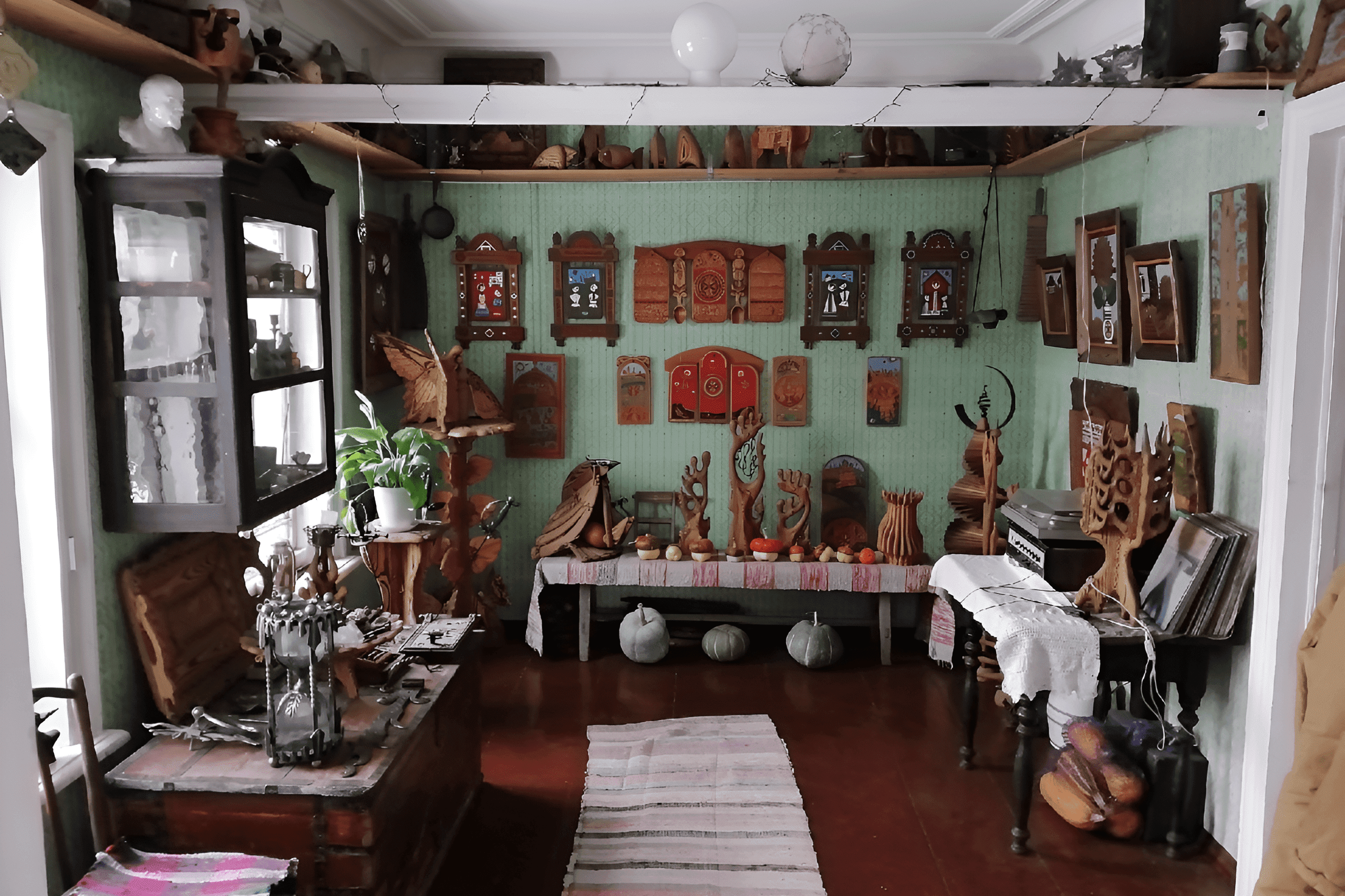
Prokofiev A. I. is a master of decorative and applied art, a blacksmith. The expositions made of wood and metal are located in an old house of the late XIX century. Blacksmithing workshops are held on site.